MSU Extension Plant Diagnostic Lab

@MSUextPlantLab

The Mississippi State University Extension plant disease and nematode clinic provides detailed, accurate, and timely analyses of soil and plant samples.

773 Siguiendo1.7K Seguidores2.3K Publicaciones
  1. MSU Extension Plant Diagnostic Lab@MSUextPlantLab
    MSU Extension Plant Diagnostic Lab
    RT @alabamaED: Symptoms of a mosaic-type virus on pumpkins. Zucchini yellow mosaic, Papaya ring spot, watermelon mosaic & cucumber mosaic virus are common in the Southeast USA. it is not unusual to have a multi-virus infection. All are transmitted by aphids #Virus @VirologyAPS #Pumpkins
    0401
  2. MSU Extension Plant Diagnostic Lab@MSUextPlantLab
    Happy Halloween from the Mississippi Plant Diagnostic Lab! 🎃
    MSU Extension @MSUExtService
    🎥 Clarissa Balbalian with our MSU Extension Plant Diagnostic Lab shares a Halloween tale of a pumpkin dealing with fungal growth. 🎃 #MSUext
    005119
  3. MSU Extension@MSUExtService
    🎥 Clarissa Balbalian with our MSU Extension Plant Diagnostic Lab shares a Halloween tale of a pumpkin dealing with fungal growth. 🎃 #MSUext
    Descargar
    018335
  4. MSU Extension Plant Diagnostic Lab@MSUextPlantLab
    Mississippi soybean growers still have an opportunity to get free nematode testing. See our lab webpage for requirements to qualify #MSUext
    Crop Protection Network @CropNetwork
    “Fall soil samples collected after harvest (up to 6 weeks after the R8 growth stage) can be useful to monitor changes in [root-knot nematode] population densities or to make management decisions for the subsequent cropping season. Soil samples should be collected at an 8 to 10-inch (20 to 25-cm) soil depth within the root zone of the previously existing crop.” From the Overview of Root-Knot Nematodes by @travisfaske @baldpathologist @MartinChilvers1 @PACropDoc @dsmuelle @OnofreLab @ppp_trey @Nemasoil @alabamaED @DTelenko @AlbertTenuta +more @TheSCNCoalition @MahDuffeck @NematodeGuy @UFcropnematodes #USSoy
    137418
  5. Crop Protection Network✓@CropNetwork
    “Fall soil samples collected after harvest (up to 6 weeks after the R8 growth stage) can be useful to monitor changes in [root-knot nematode] population densities or to make management decisions for the subsequent cropping season. Soil samples should be collected at an 8 to 10-inch (20 to 25-cm) soil depth within the root zone of the previously existing crop.” From the Overview of Root-Knot Nematodes by @travisfaske @baldpathologist @MartinChilvers1 @PACropDoc @dsmuelle @OnofreLab @ppp_trey @Nemasoil @alabamaED @DTelenko @AlbertTenuta +more @TheSCNCoalition @MahDuffeck @NematodeGuy @UFcropnematodes #USSoy
    Descargar
    011211.2K
  6. MSU Extension Plant Diagnostic Lab@MSUextPlantLab
    Enjoyed speaking to a packed house of master gardeners yesterday for the NE District Master Gardener Day of Education. An enthusiastic audience of talented individuals who asked great questions. These volunteers are an asset to Extension! #MSUext
    Jeff Wilson @MSUPlantMan
    NE District Day of Education in Verona with a greet crowd of nearly 150 MGs!
    023230
  7. Jeff Wilson@MSUPlantMan
    NE District Day of Education in Verona with a greet crowd of nearly 150 MGs!
    Descargar
    002268
  8. MSU Extension Plant Diagnostic Lab@MSUextPlantLab
    MSU Extension Plant Diagnostic Lab
    RT @alabamaED: Double trouble on zinnia: Alternaria blight causes circular spots w/t white centers on upper leaf surface. Powdery mildew causes white dusty spots on leaves, stem & flowers leading to yellowing & defoliation. Use Sanitation, tolerant varieties & proper watering @MSUDiagnostics
    0402
  9. MSU Extension Plant Diagnostic Lab@MSUextPlantLab
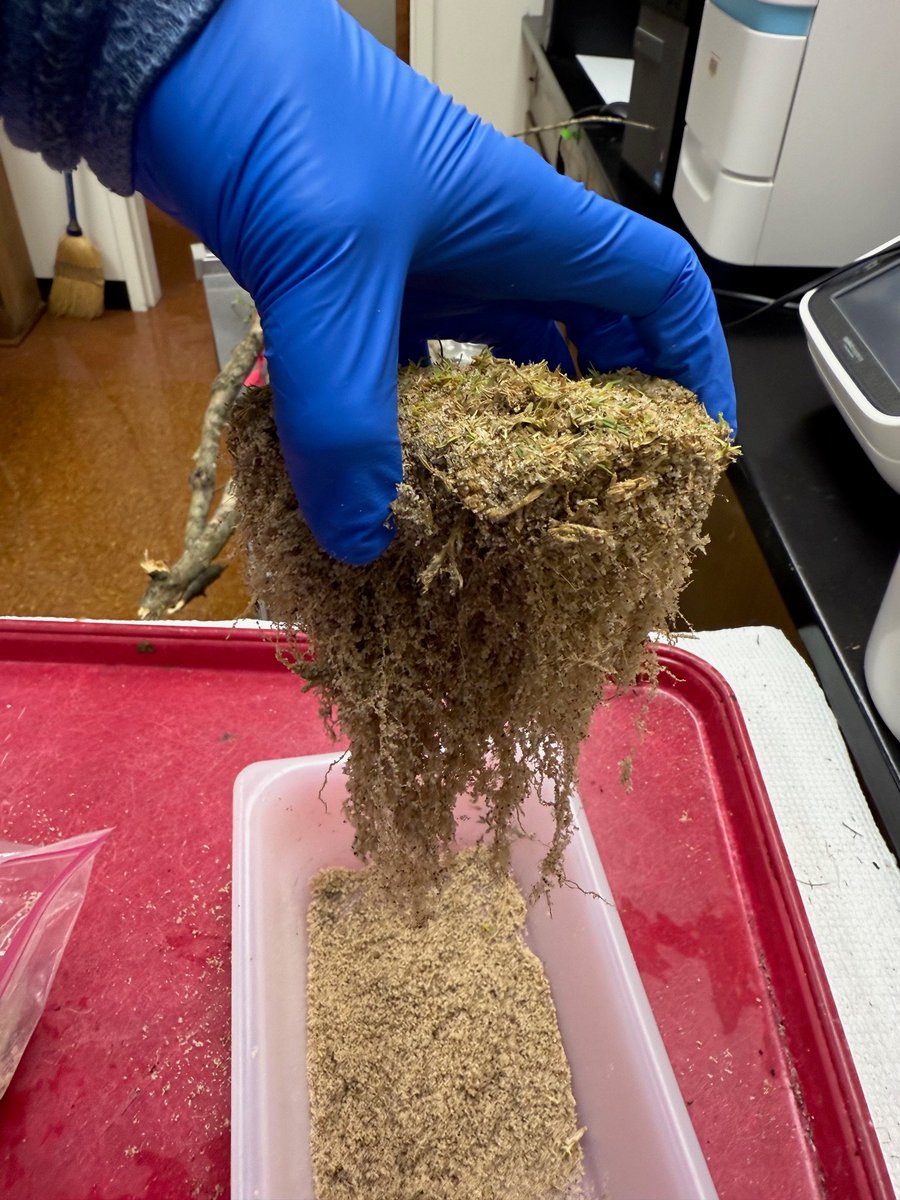
    Do your bermuda greens have gorgeous roots but still look drought-stressed? It may be an insect problem. #Mealybugs are sap-sucking insects that settle down at the base of the plant and secrete a white waxy (looks powdery) coating over their 2mm long pinkish bodies. #MSUext
    Descargar
    004163
  10. MSU Extension Plant Diagnostic Lab@MSUextPlantLab
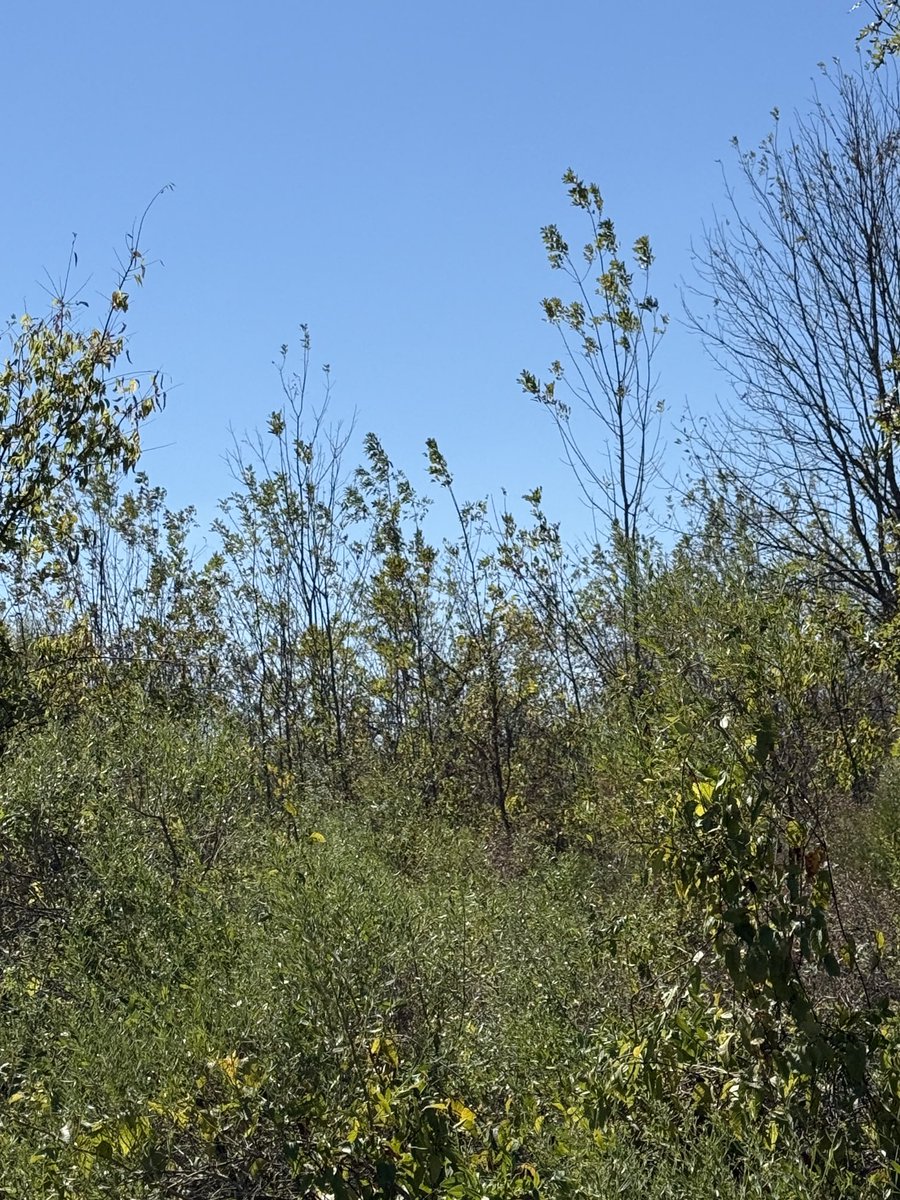
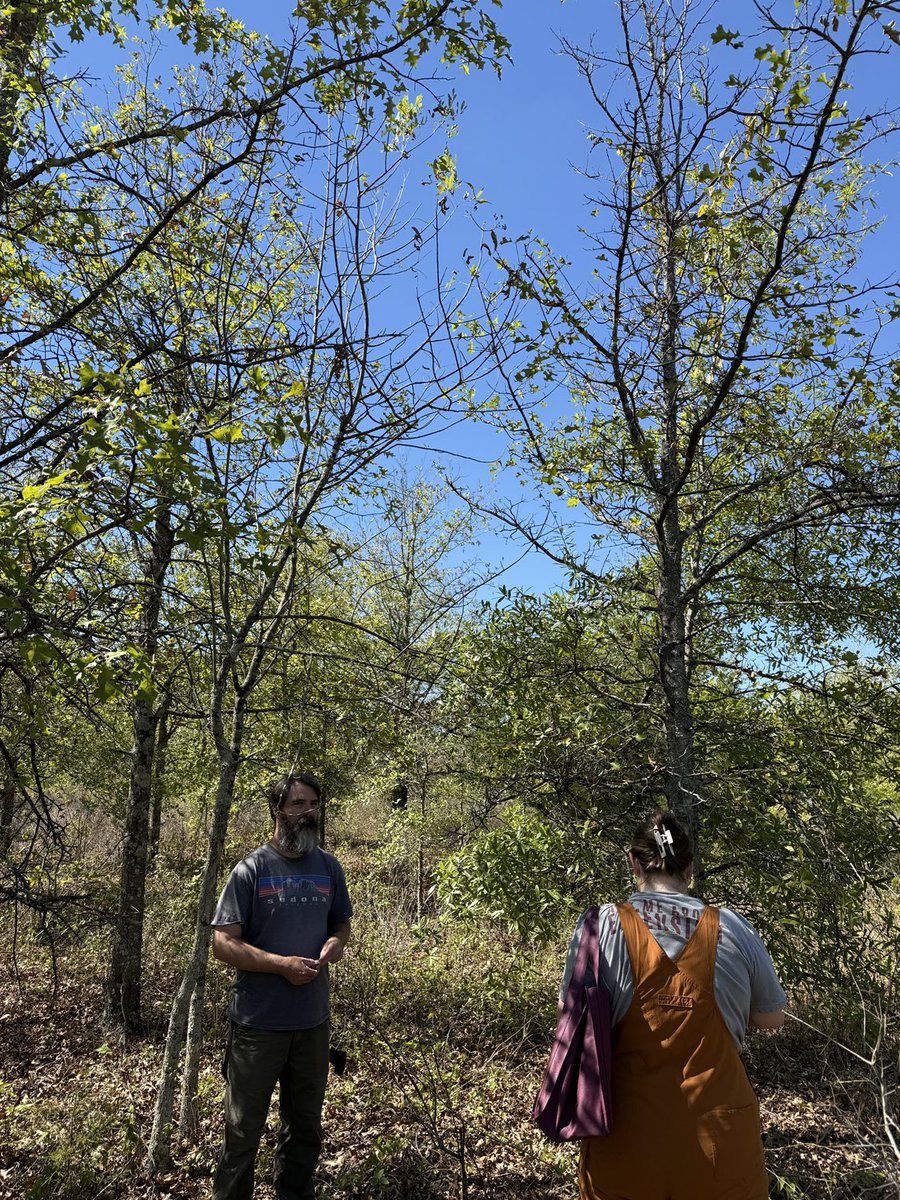
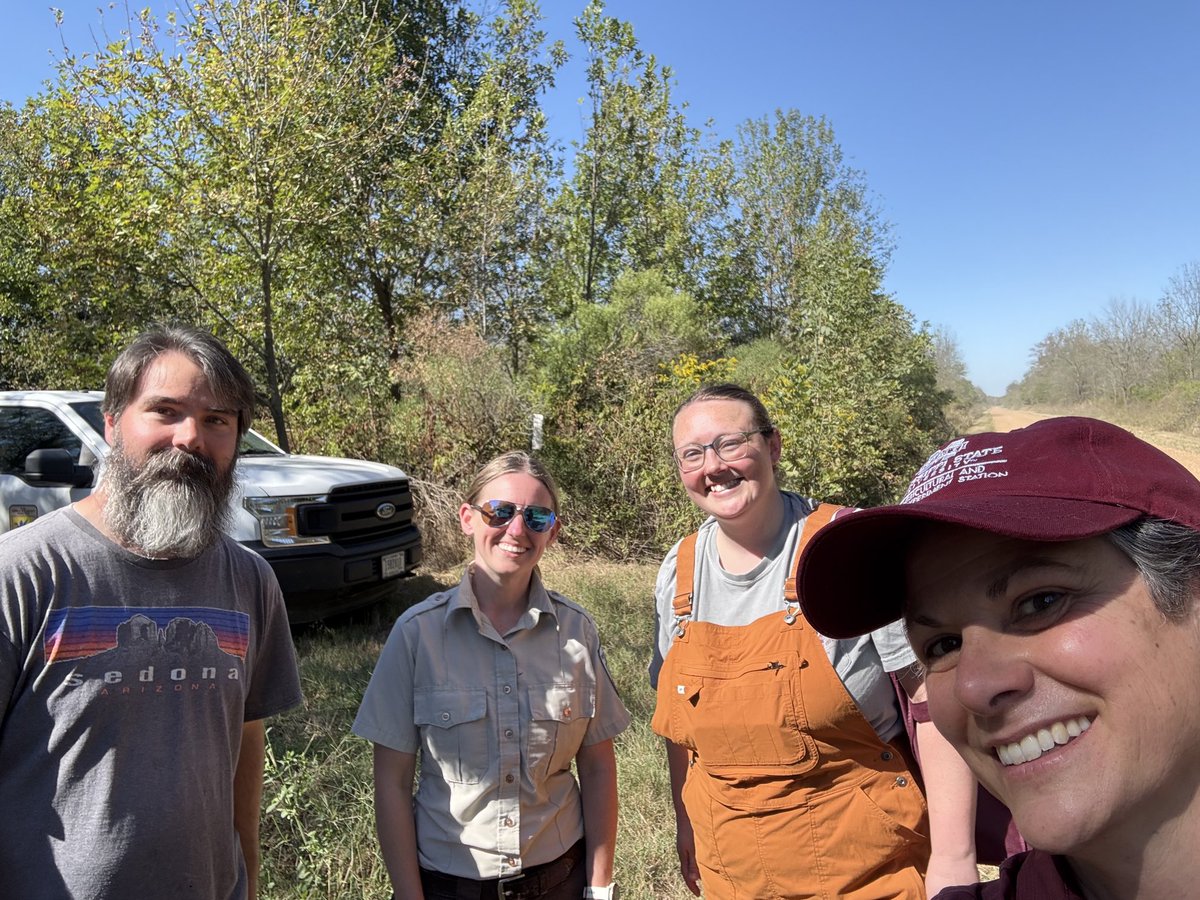
    Spent the afternoon in the Delta with Dr. Kristy McAndrew’s lab looking at some stands of ash. Prolonged drought stress is taking a toll on a wide variety trees in this region of the state and is predisposing them to insect and disease problems. #MSUext
    Descargar
    014254
  11. MSU Extension Plant Diagnostic Lab@MSUextPlantLab
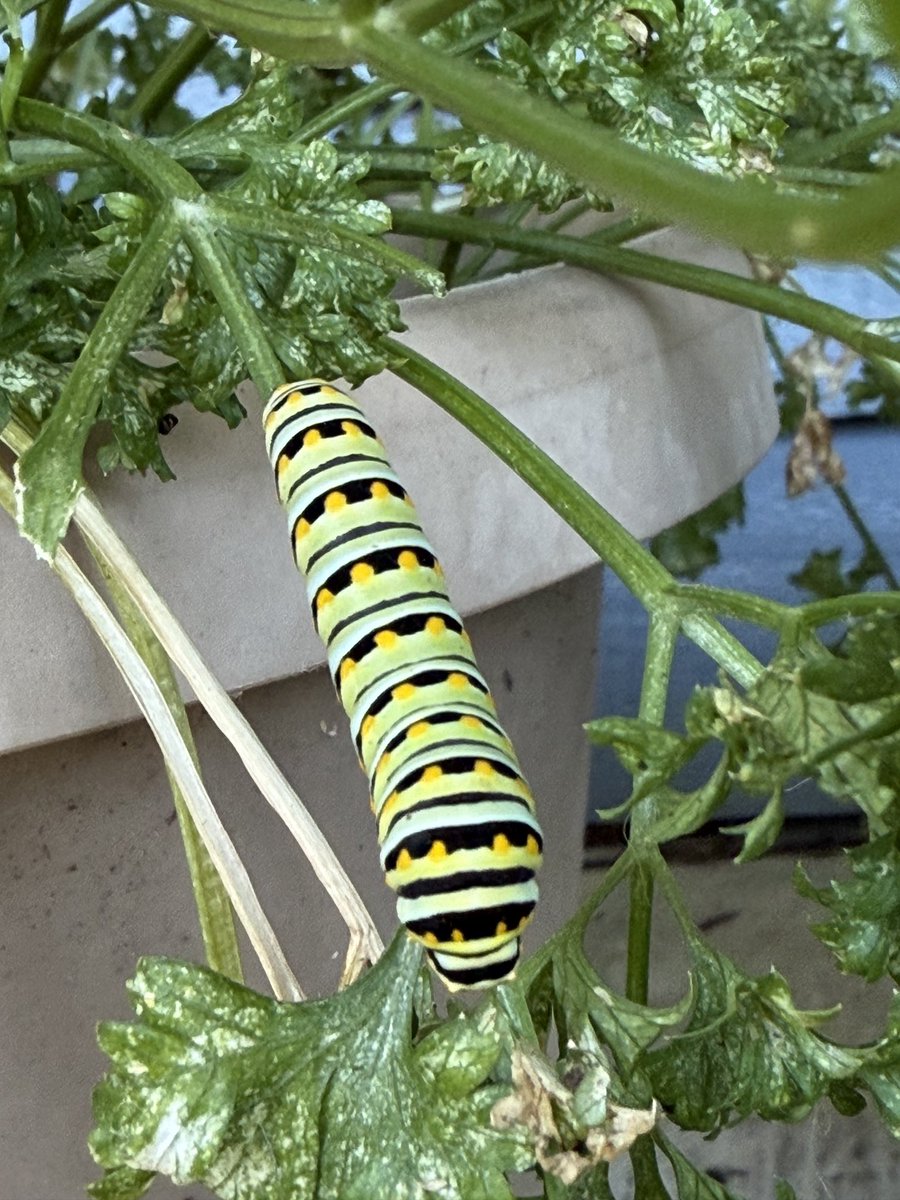
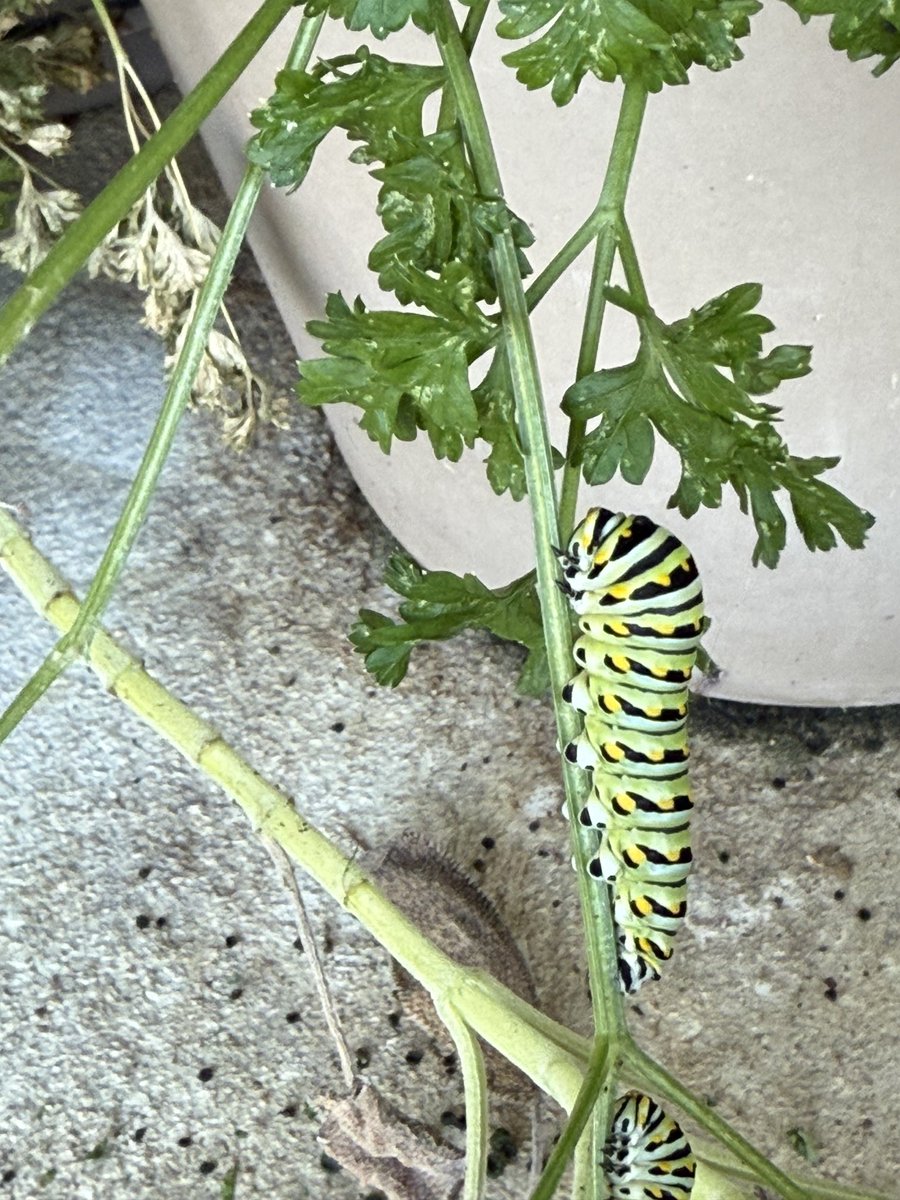
    It’s parsley worm time! Every year I delight in sharing my parsley with the beautiful caterpillars that will become black swallowtail butterflies. They are voracious feeders, but the plants will recover. #MSUext
    Descargar
    103107
  12. MSU Extension Plant Diagnostic Lab@MSUextPlantLab
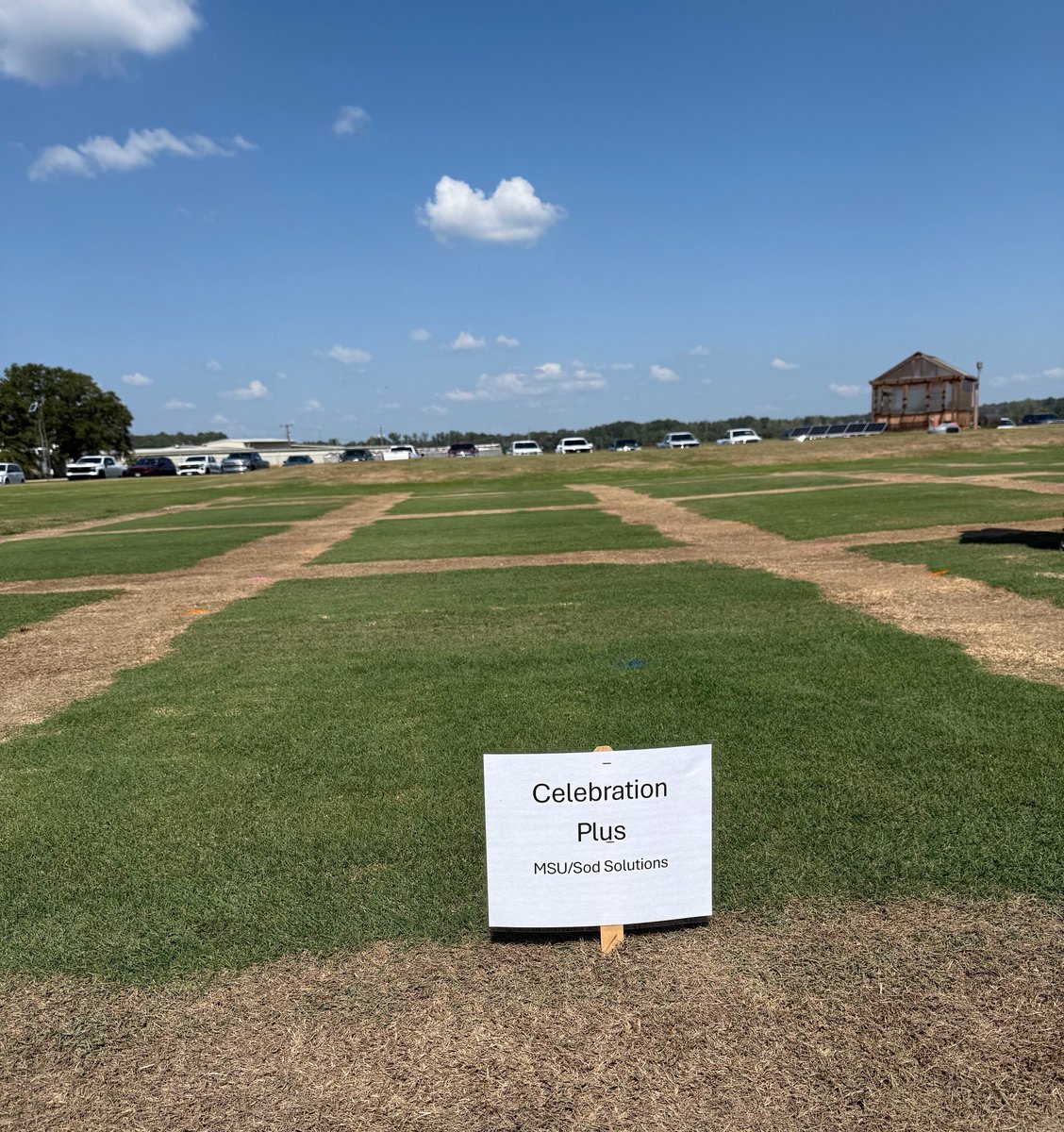
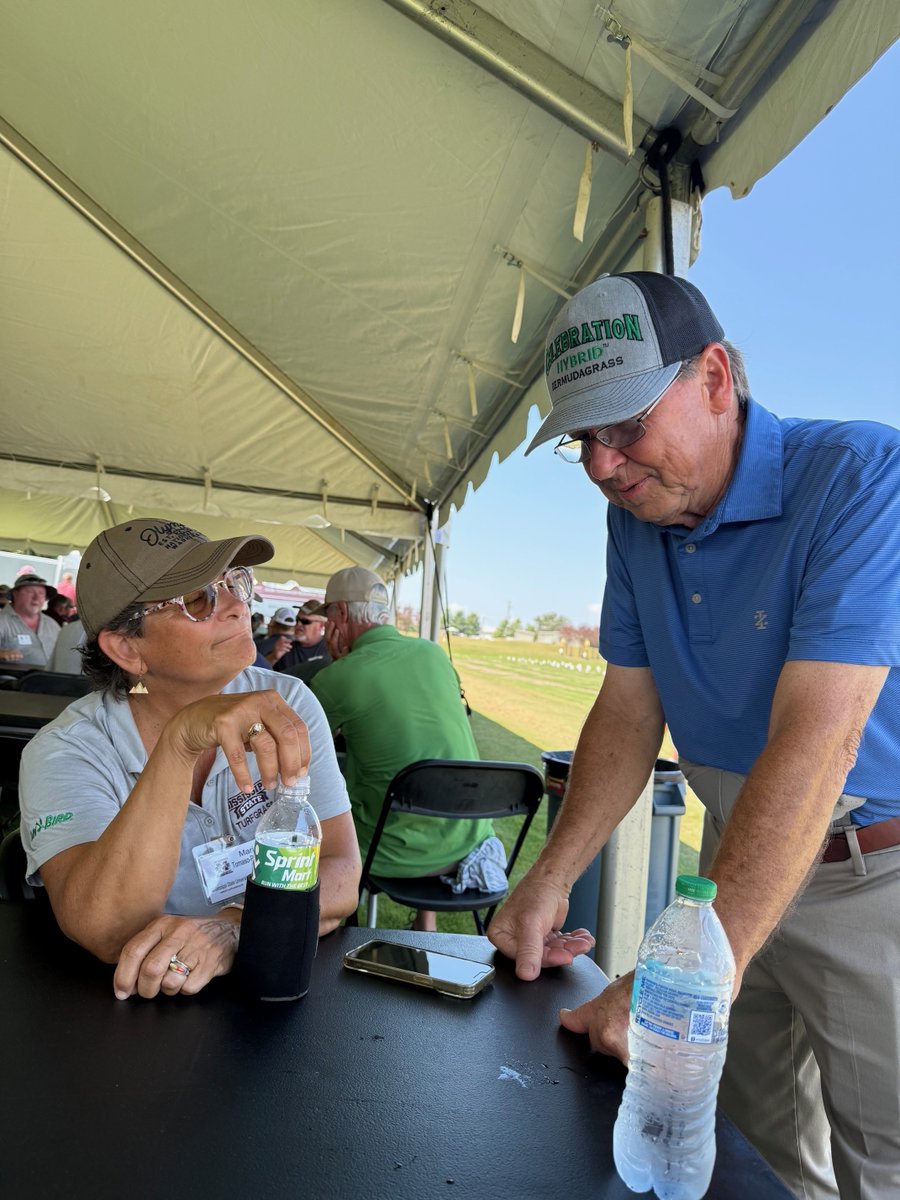
    Another fabulous field day hosted by Dr. Jay McCurdy and the turf research team! Had a great time meeting with clients and catching up with our retired turf pathologist, Dr. Maria Tomaso-Peterson, and Mr. Wayne Philly, turf breeder extraordinaire! #MSUext @MSTurfgrass
    Descargar
    018278
  13. MSU Extension Plant Diagnostic Lab@MSUextPlantLab
    MSU Extension Plant Diagnostic Lab
    RT @MSUExtService: Although pasture mealybugs have not been detected in Mississippi, entomologists and forage specialists at Mississippi State University urge farmers to frequently scout their pastures for signs of the invasive pest. Read: #MSUext
    0101
  14. MSU Extension Plant Diagnostic Lab@MSUextPlantLab
    MSU Extension Plant Diagnostic Lab
    RT @NematodeGuy: Our newest research paper compares the efficacy of fluopyram (Indemnify) with cyclobutrifluram (Trefinti) for management of lance Nematode. Great work @EricaGuri !
    0801
  15. MSU Extension Plant Diagnostic Lab@MSUextPlantLab
    MSU Extension Plant Diagnostic Lab
    RT @MSUExtService: Congrats to our own Dr. Jermaine Perier for being featured in the “Standout ECPs” series by the Entomological Society of America’s Early Career Professionals (ECP) Committee. Read the article here: #MSUext
    0203
  16. MSU Extension Plant Diagnostic Lab@MSUextPlantLab
    MSU Extension Plant Diagnostic Lab
    RT @MSUExtService: 🎥 Tawny crazy ants have been officially found in two more Mississippi counties. They might not sting, but this invasive species can actually cause costly electrical problems. Dr. Santos Portugal explains more. #MSUext
    0105
  17. MSU Extension Plant Diagnostic Lab@MSUextPlantLab
    MSU Extension Plant Diagnostic Lab
    RT @MSUExtService: 🎥 Clarissa has been getting a lot of calls from people concerned about why their crape myrtle leaves are dropping even though it’s only August. As per usual, she has the answer!!🍂 #MSUext
    0201
  18. MSU Extension Plant Diagnostic Lab@MSUextPlantLab
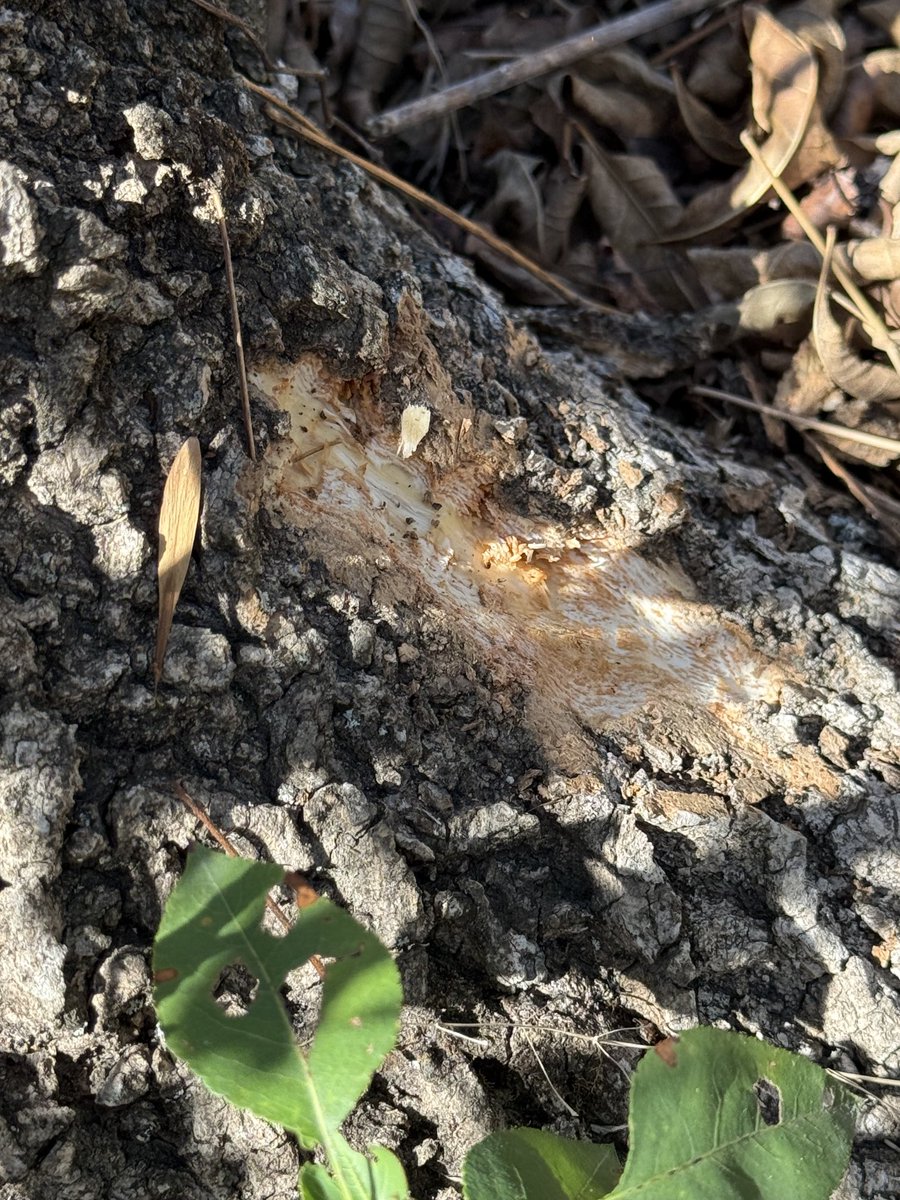
    A fresh and beautiful specimen of Laetiporus cincinnatus, probably rotting oak roots beneath the soil surface on Scattertown Trail in the Noxubee Wildlife Refuge.
    Descargar
    007196