📚 Exploring Python Data Structures: #RStats#PythonProgramming
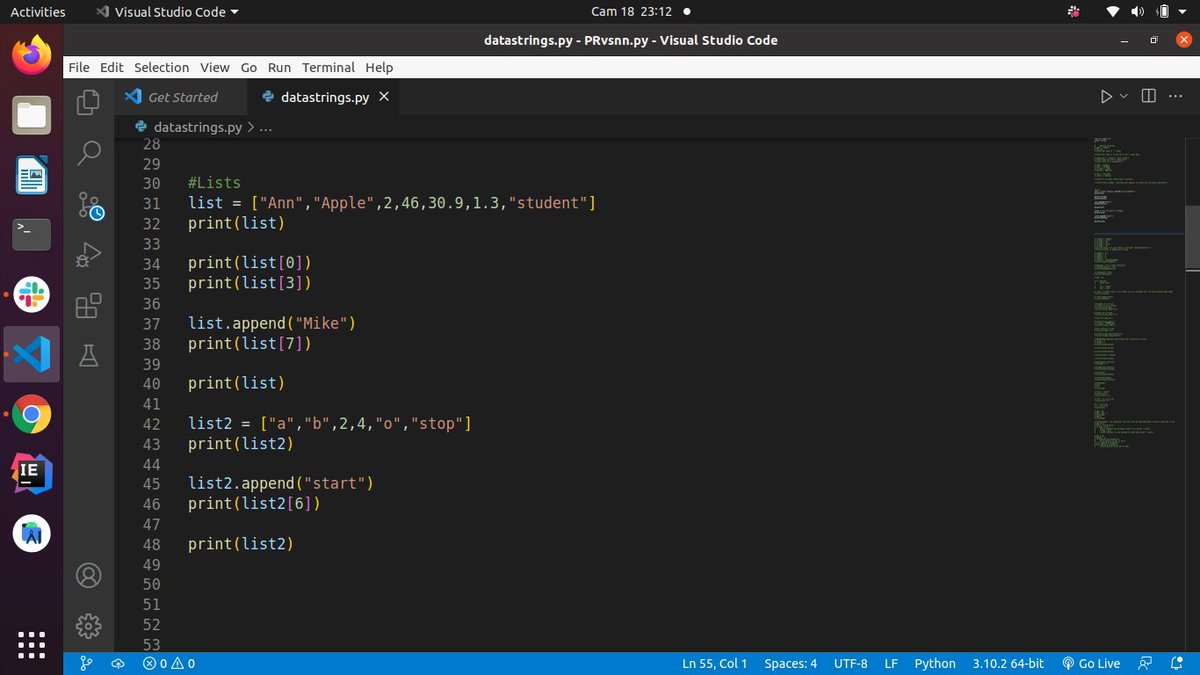
Discovering Lists: Versatile ordered collections in Python. 📚
Example: fruits = ['apple', 'banana', 'orange']
Lists support indexing, slicing, and can hold different data types. 🍎🍌#PythonLists#DataAnalysis
Check out this quick tip on the difference between the append() and extend() methods in Python lists!
1. Use append() to add a single element to a list as a nested list.
2. Use extend() to add multiple elements to a list.
#PythonProgramming#PythonLists#appendVsExtend#Tips
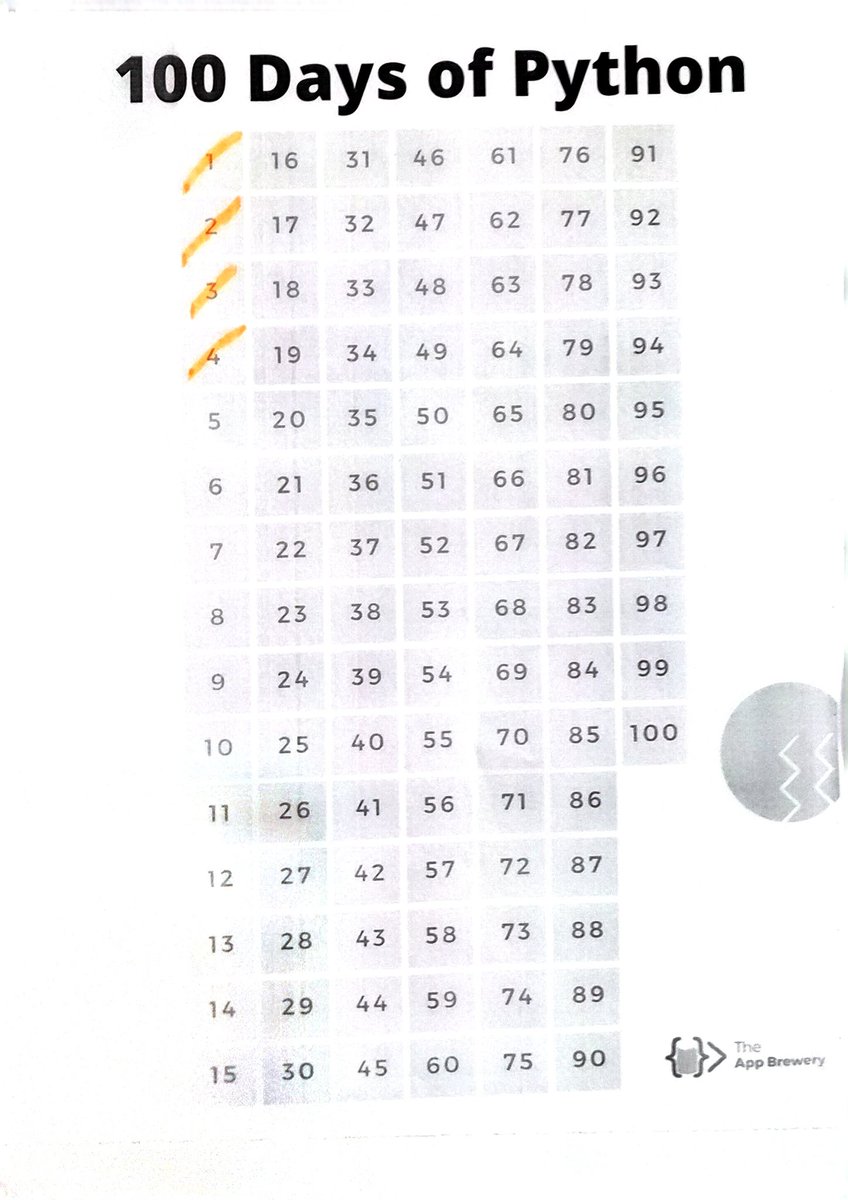
Day2
#100DaysOfCode
Did you know the easiest thing you can do with lists is adding a new item to them and each item in the list can be accessed by their indices? #pythonlists#codeHive2022
🚀 Day 6 of #100DaysOfCode in Python: Let's talk about data structures! Explore lists - a versatile way to store multiple values. Learn how to manipulate, access, and modify list elements. Keep building your Python skills, one element at a time! 📚🔗 #PythonLists#Python
Another one in the bag....
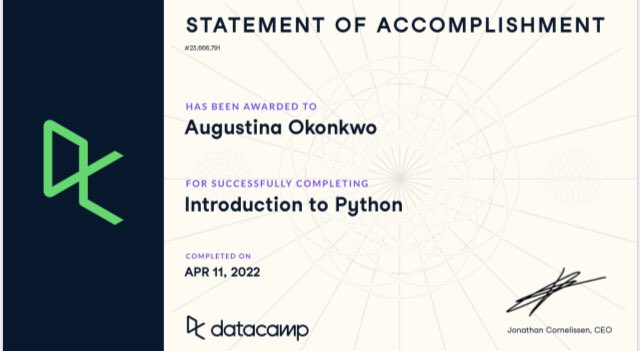
I am super happy for all of these little wins as it is all the motivation I need to see this through to the end. I completed #introductiontopython on Data Camp’s #pythonfordatascience in the early hours of today.
I just want to say that @DataCamp has made this journey seem very easy with their easy to assimilate videos, mobile friendly app, and coding exercises. I would totally recommend #datacamp to anyone who is a beginner in the data career path.
It’s amazing how much coding you can do with your smartphone. There are lots of exercises as well so you are always practicing. I can boldly say I know all about the basics of python. From #Variables to #datatypes, #pythonlists, #functions and #methods.
1/ 💡 Understanding Python Lists: Lists are versatile and dynamic data structures in Python. They allow you to store and manipulate collections of items. Let's dive into the world of lists and explore their power! #PythonLists#DataStructures