Estrogen turns up PEMT, the liver enzyme that lets you make some of your own choline.
It's likely a pregnancy safeguard. On a low-choline diet, men and postmenopausal women showed signs of organ damage faster than premenopausal women.
At menopause, estrogen drops, PEMT drops, and less choline is available for the brain. A 2026 study tied choline to the working memory changes a lot of women notice in menopause. Some PEMT variants make you even more dependent on dietary choline, and about 90% of people in the US don't hit the adequate intake anyway.
Eggs are the easy fix. In one study, egg yolks raised blood choline about four times more than the same dose of choline bitartrate.
If menopause brain fog is a thing for you, this one is worth a look.
Good list. Genetics can help explain why some of these work better for some people. Variants in DRD4, DAT1 (SLC6A3) and COMT change how fast dopamine is cleared. Variants related to circadian rhythm may be why morning light, blocking blue light, and exercise help some people a lot and others only a little.
Udostępnij
Skopiowano
George Ferman@Helios_Movement
"So if i don't want to manage my ADHD with stimulants, what else can i do?"
-Provide certain key nutrients
-Fidgeting tools
-Gum
-Morning bright light 10.000 lux 20–30 min
-Exercise at key times of the day
-Limit artificial dopamine hits when you can
-L theanine + caffeine + zinc
-Sunlight
-Sauna
-Make a plan for the next day/week and look at it multiple times a day to not get distracted
-Limit notifications
-Ginkgo + caffeine + vitamin V
-PS128 probiotic (Lactobacillus plantarum)
-Citicoline + magnesium
-Thiamine + P5P + saffron
-Blue light blockers
-Rhodiola rosea (3–6 % rosavins + 1–2 % salidroside, 200–600 mg)
-Oroxylin A
-Bromantane
-Creatine + saffron
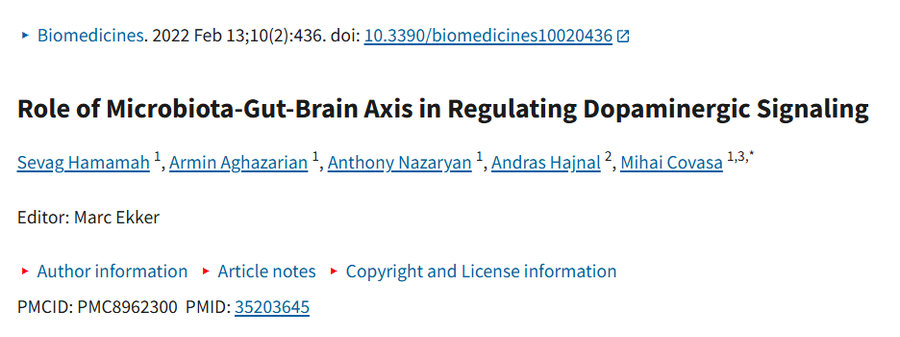
-Resolve gut dysbiosis and methylation issues if you have them
-Low dose lithium orotate
Common sense disclaimer:
1) Do not use all of these.
These are just tools you can further research.
2) Cycle everything unless your doctor suggests otherwise
Now these will NOT work overnight.
They are not adderall.
But they can help improve the underlying dysfunctions.
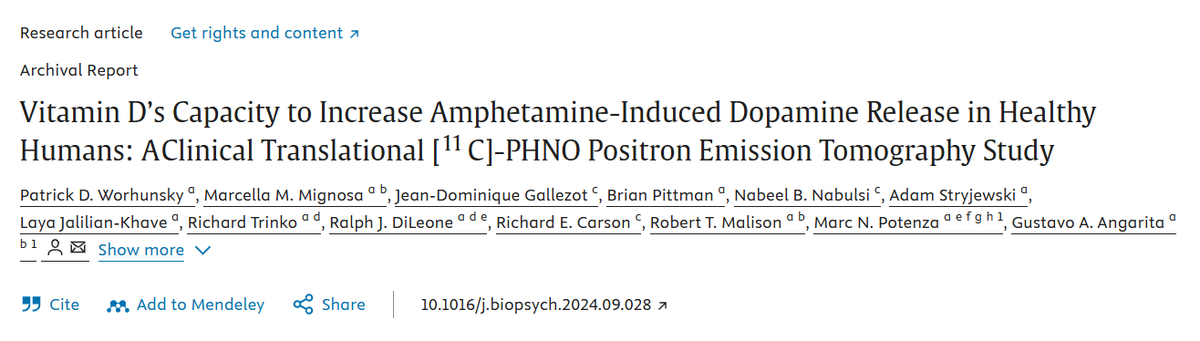
Vitamin D has a regulatory influence on core circadian clock genes, specifically facilitating the balanced oscillation of BMAL1 and PER2
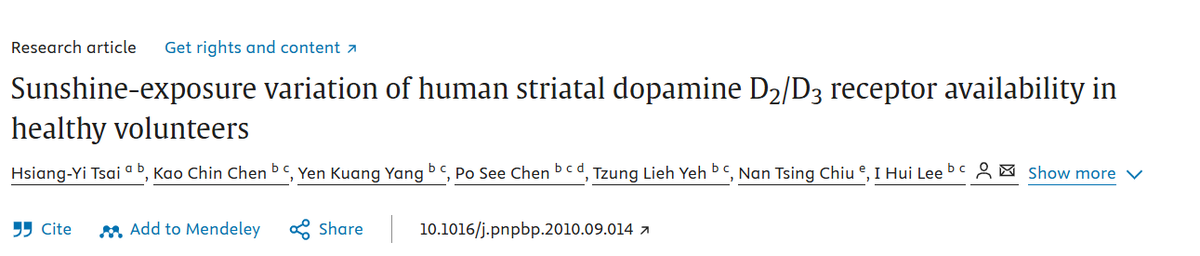
Sunlight also increases subcortical tyrosine hydroxylase, D2/D3 receptors and amphetamine-stimulated dopamine release (literally taps into the same + more mechanisms than bromantane but not as fast).
Sauna for example helps with norepinephrine + dynorphin
Creapure increases brain phosphocreatine → better energy reserve for prefrontal cortex + mild dopamine upregulation
At 30mg/day saffron:
-Performs the same as Ritalin in kids with ADHD when it comes to core symptom management.
-Performs comparably to Prozac without one-shotting your penis (in fact, it can help reverse SSRI induced sexual dysfunction)
-Resulted in cognitive improvements comparable to donepezil (Alzheimer's) with significantly fewer gastrointestinal side effects.
-Has similar efficacy to citalopram (Celexa) for generalized anxiety symptoms.
-Has no significant statistical difference to fluvoxamine for reducing obsessive-compulsive symptoms.
*Not ideal for people who have issues in the gut lining/mucus (if you want to try it start with 15mg with a meal)
**Not ideal for long term use / for people with elevated liver enzymes
If you want to try higher doses, the list of potential side effects increases (as it happens with all potent tools)
"Why is saffron so powerful?"
Its main bioactive compounds are:
-Crocin
-Crocetin
-Safranal
These act on several pathways rather than hitting a single target giving it a combination of monoamine support + strong antioxidant/anti-inflammatory effects + neurotrophic activity.
-Monoamine modulation (serotonin, dopamine, norepinephrine)
Its active compounds inhibit reuptake of these neurotransmitters (similar to SSRIs/SNRIs) and also inhibit monoamine oxidase enzymes that break them down.
The dual action increases their availability in the synapse.
-Antioxidant and anti-inflammatory actions
Crocin and related compounds are strong antioxidants that reduce reactive oxygen species and can dampen inflammatory signaling.
-It can increase brain-derived neurotrophic factor (BDNF) and related pathways involved in neurogenesis, synaptic plasticity, and neuronal survival (particularly relevant in the hippocampus).
-Safranal shows activity at GABA-A receptors (including the benzodiazepine site)
“Bro these are VITAMIN PILLS”
Once again, let’s see the literature.
ADHD patients might have compromised or slowed B6-dependent enzymes.
The specific B6-dependent enzymes heavily implicated in ADHD include:
1. Dopa decarboxylase that converts L-DOPA into dopamine and 5-HTP into serotonin.
2. Glutamate decarboxylase (GAD) that converts glutamate into GABA.
3. Tryptophan metabolizing enzymes (think the kynurenine pathway)
"But i don't feel anything from B6".
A) Are you using P5P?
B) Do you have enough zinc, B2 and magnesium in your system?
Then zinc helps keep DAT at a healthy baseline, preventing it from vacuuming up dopamine too aggressively.
DAT contains four high-affinity extracellular binding sites specifically meant for Zinc.
When Zinc binds to these sites, it physically modulates the transporter's rhythm, altering steady-state currents and optimizing reuptake.
Normally, after dopamine is released into the synaptic cleft, it binds to dopamine receptors on the postsynaptic neuron to exert its effects.
The DAT then clears the dopamine from the synapse and recycles it back into the presynaptic neuron.
So it helps to terminate the action of dopamine by transporting it back into the presynaptic neuron.
So when we inhibit it, we slow down the cleanup of dopamine and leave more of the chemical active in the synapses.
Ritalin for example is a highly effective DAT inhibitor.
Its structural mechanism differs completely from zinc obviously.
While zinc acts as a non-competitive, allosteric clamp that locks the transporter from a side-pocket, methylphenidate operates primarily as an orthosteric blocker.
It targets the S1 central binding site of the dopamine transporter.
This is the exact same internal structural pocket where the dopamine molecule itself lands to be moved across the membrane.
By sitting directly inside the central channel core, it acts like a physical plug and thus dopamine cannot bind to the transporter at all.
Now unlike competitive inhibitors (such as cocaine or Ritalin), which bind directly to the central S1 substrate site halfway across the cell membrane, zinc acts at an entirely independent allosteric site on the outer surface of the transporter.
By anchoring itself to this distinct outer pocket, zinc physically restrains the movement of the transporter.
It acts as a rigid macromolecular bridge that locks the DAT machinery in an "outward-open" conformation.
While the central channel remains open, the transporter is effectively paralyzed, it can no longer undergo the conformational rotation required to pull dopamine out of the synapse and back into the cell.
For someone struggling with ADHD or anhedonia, this highly efficient, non-competitive blocking action provides a unique therapeutic advantage.
Because zinc does not compete for the central keyhole, its ability to stop the cellular "vacuum cleaner" cannot be overridden by fluctuating concentrations of natural dopamine.
It forces a baseline level of dopamine to pool within the synaptic cleft.
This is why DAT inhibitors usually increase the effectiveness of stimulants.
In the context of ADHD, this prolonged synaptic activity helps satisfy under-stimulated reward pathways.
In the case of anhedonia this steady accumulation of active dopamine lowers the activation threshold required to feel pleasure, motivation and goal-directed drive.
Other natural DAT inhibitors that you might be aware of are ginkgo and saffron.
"What about copper?"
At basic doses such as 10-15mg/day, eating just 100 grams of beef liver/week does the trick.
"A reward is a reward dude, changing my lifestyle won't help my ADHD. You are unscientific".
Once again. Nope. Let’s see the damn literature.
Imagine that your brain has two main workers:
1. Dopamine
This is the chemical that makes you feel satisfied and motivated
2. Acetylcholine
This is the chemical that turns on when you focus and try hard
If someone gives you a piece of chocolate for doing nothing, you get a small, normal splash of dopamine.
If you have to walk 5 miles to get that exact same piece of chocolate, your brain turns on Acetylcholine because you are using effort.
When you finally get the chocolate, that Acetylcholine acts like a giant loudspeaker for your dopamine.
By giving you a bigger chemical reward for working hard, your brain literally teaches itself a lesson: "effort is worth it."
This is of vital importance if you have ADHD.
In an ADHD brain, the "loudspeaker" (Acetylcholine) doesn't always turn on properly when things get tough.
Without that loudspeaker, doing hard work feels incredibly draining, and the reward at the end feels small and disappointing.
This is why people with ADHD struggle so much to start difficult tasks, their brains are missing the chemical booster shot that makes effort feel good.
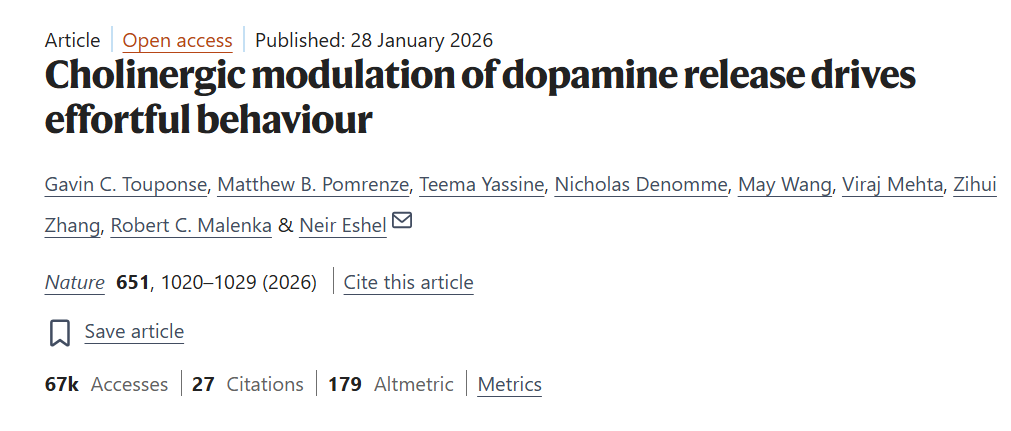
So while for a long time we thought that dopamine levels were entirely dictated by the firing of dopamine cell bodies located deep in the midbrain.
We now know that local interneurons in the nucleus accumbens release a rapid burst of acetylcholine when a task requires high effort.
This acetylcholine binds directly to nicotinic receptors on the nearby dopamine axon terminals.
It acts like a local amplifier, forcing a much larger hit of dopamine to spill out when the reward is achieved compared to when the exact same reward is given for free.
When researchers block this acetylcholine link, the subjects completely lost their drive to perform high-effort tasks, though they still happily ate "free" or low-effort rewards.
Now, to help your brain learn the "effort = worth it" loop, you need a dual strategy:
-Support acetylcholine (the amplifier) to make starting tasks easier
and
-Carefully manage artificial rewards (cheap dopamine) so they do not hijack your motivation system
"Fine but what about the other stuff such as working on "gut health" lmao you unscientific conspiracy theorist".
Well, gut issues and ADHD create a vicious cycle.
In IBS for example, an overgrowth of bacteria like Prevotella copri and Ruminococcaceae, commonly associated with it, has been directly linked to a decreased expression of dopamine transporters (DAT) and D2 receptors (D2R) in the central nervous system.
And if you have ADHD this is the last thing you want.
Transferring gut microbiota from humans with ADHD not only gives mice ADHD but individuals with ADHD also have:
-Nearly 50% higher risk of overall gastrointestinal symptoms
-Are 63% more likely to suffer from IBS
"So there are shared biological root causes of ADHD and gastrointestinal issues?"
Yes, after all a single underlying genetic/physiological mechanism can cause completely different symptoms in different parts of the body.
Let's take dopamine as an example.
Because dopamine regulates both brain functions such as focus, drive etc but also gut motility, a disruption in your body's baseline dopamine system/metabolism/production hits both areas simultaneously.
Let me dumb it down even more (these are oversimplifications):
If dopamine is the "molecular handbrake" and coordinator for your intestines, dopamine "deficiency" as seen in ADHD, directly translates to a faulty, unpredictable brake system in your digestive tract.
In the digestive system, dopamine receptors act as regulators that tell your intestinal muscles when to relax and when to contract to push food through smoothly.
If your body has altered dopamine signaling or lower dopaminergic tone, that "handbrake" doesn't engage or disengage correctly.
Instead of a smooth, rhythmic wave moving food along, your peristalsis becomes erratic.
If the muscles stall completely, you get chronic constipation; if they contract chaotically, you experience the cramping, alternating cycles, and spasms characteristic of IBS.
Then without adequate local dopamine signaling, the intestinal barrier weakens, leading to increased gut permeability and painful issues like acid reflux or generalized indigestion.
"How did you learn..."
Here:
I made a new public list for anyone following long COVID, ME/CFS, POTS, and MCAS research.
Researchers like Akiko Iwasaki and @PutrinoLab, research groups like PolyBio and Open Medicine Foundation, patient-led groups like @patientled, plus people who dig into the actual papers, like ME/CFS Science and @JackHadfield14. Thank you to everyone on it for sharing your work so openly!
These conditions all overlap so much, and the good research is scattered all over. Having it in one feed makes it a lot easier to see what's new and what's actually holding up.
Who should I add?
Small fiber neuropathy is diagnosed with a skin biopsy that counts the tiniest nerve fibers in your skin.
Those small fibers carry warmth, itch and dull pain. They also run autonomic jobs like heart rate when you stand, sweating, digestion and bladder signals. So SFN can feel like burning feet and pins and needles, or like dizziness, heat intolerance and bloating.
The overlap is striking. In one study, about 80% of people with MCAS or hereditary alpha tryptasemia had reduced small nerve fibers. Around 40 to 60% of people diagnosed with fibromyalgia met biopsy criteria for SFN, and another study found 61% overlap with hEDS.
Mutations in the NaV1.7 and NaV1.8 sodium channels are a known genetic cause. Nerve fibers can regrow once the trigger is removed, though it can be slow.
RT @D_Morales_Alamo: 🚨 New in @Nature !!
MCT1 transports lactate directly into cardiac mitochondria, where LDHB converts it to pyruvate and NADH, fueling respiration independently of MPC.
Loss of MCT1 impairs lactate oxidation and accelerates heart failure.
Big new Alzheimer's GWAS paper out today in Nature. 2.8 million people and 48 new risk loci.
What I find interesting is that it points to genes related to microglia, the brain's immune cells, and genes that were turned down in specific neurons that are vulnerable early.
Udostępnij
Skopiowano
Emil Uffelmann@euffelmann
1/n
Out today in @Nature: our Alzheimer’s disease GWAS of ~2.8M people (~184k cases). We find 48 new loci, ~3x higher SNP-heritability, enrichment in genes up-regulated in microglia and down-regulated in neurons, and we release public summary statistics.
1/n
Out today in @Nature: our Alzheimer’s disease GWAS of ~2.8M people (~184k cases). We find 48 new loci, ~3x higher SNP-heritability, enrichment in genes up-regulated in microglia and down-regulated in neurons, and we release public summary statistics.
very interesting - similar to the recent study with heart age.
Udostępnij
Skopiowano
New Scientist@newscientist
Ovaries from older mice, which were no longer able to reproduce, seemed to become active again when transplanted into younger animals. This suggests that the organs adjust to the recipient's biological age.
Ovaries from older mice, which were no longer able to reproduce, seemed to become active again when transplanted into younger animals. This suggests that the organs adjust to the recipient's biological age.
Restless leg syndrome affects somewhere between 4 and 14% of adults, and the go-to internet advice is to take iron.
That may not be the right move for everyone. People with RLS often have low iron in the brain even when blood ferritin looks normal. A 2025 study found ferroptosis, an iron-driven type of cell death, ramped up in dopamine neurons in RLS, triggered by changes in the body clock. Adding more iron when ferritin is already fine could make that worse.
A few other clues from the research. People with MCAS were about 3 times more likely to have RLS. SSRIs, SNRIs and tricyclics raised the odds of leg movements in sleep. Higher folate went along with more risk, and higher magnesium with less.
Interesting and large study - interesting because HDL levels have genetic connections. Going to update my articles on HDL and APOB today.
Udostępnij
Skopiowano
P.D. Mangan Health and Freedom Maximalist 🇺🇸@Mangan150
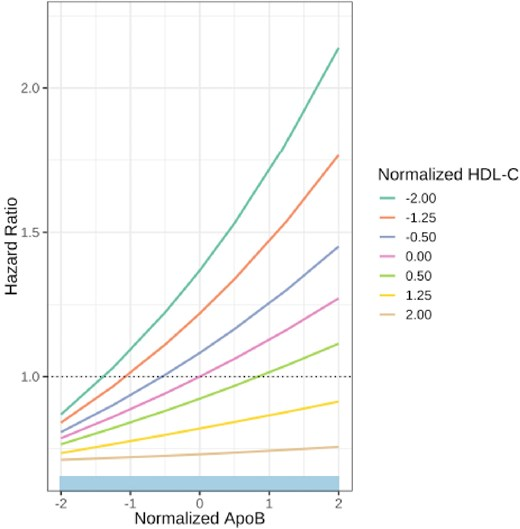
New study using UK Biobank data finds that HDL ("good") cholesterol attenuates the risk of ApoB for coronary heart disease.
In effect, if HDL is high, then ApoB doesn't matter much if at all.
HDL is a marker of metabolic health.
New study using UK Biobank data finds that HDL ("good") cholesterol attenuates the risk of ApoB for coronary heart disease.
In effect, if HDL is high, then ApoB doesn't matter much if at all.
HDL is a marker of metabolic health.
Reposting this to highlight all of the good comments on LDN from people who have tried it.
Udostępnij
Skopiowano
Debbie @ Genetic Lifehacks@GeneticLifehack
This one is likely to be disappointing for a lot of people who feel LDN helps them.
A placebo-controlled trial in post-COVID ME/CFS found no real difference in fatigue or pain.
one thought, though. LDN is thought to work partly by calming TLR4 signaling in microglia, and people vary a lot in opioid receptor and TLR4 genetics. Average results can hide a subgroup (with genetic variants) that responds.
Has LDN helped you, or did it do nothing?
Udostępnij
Skopiowano
ME/CFS Science@mecfsskeptic
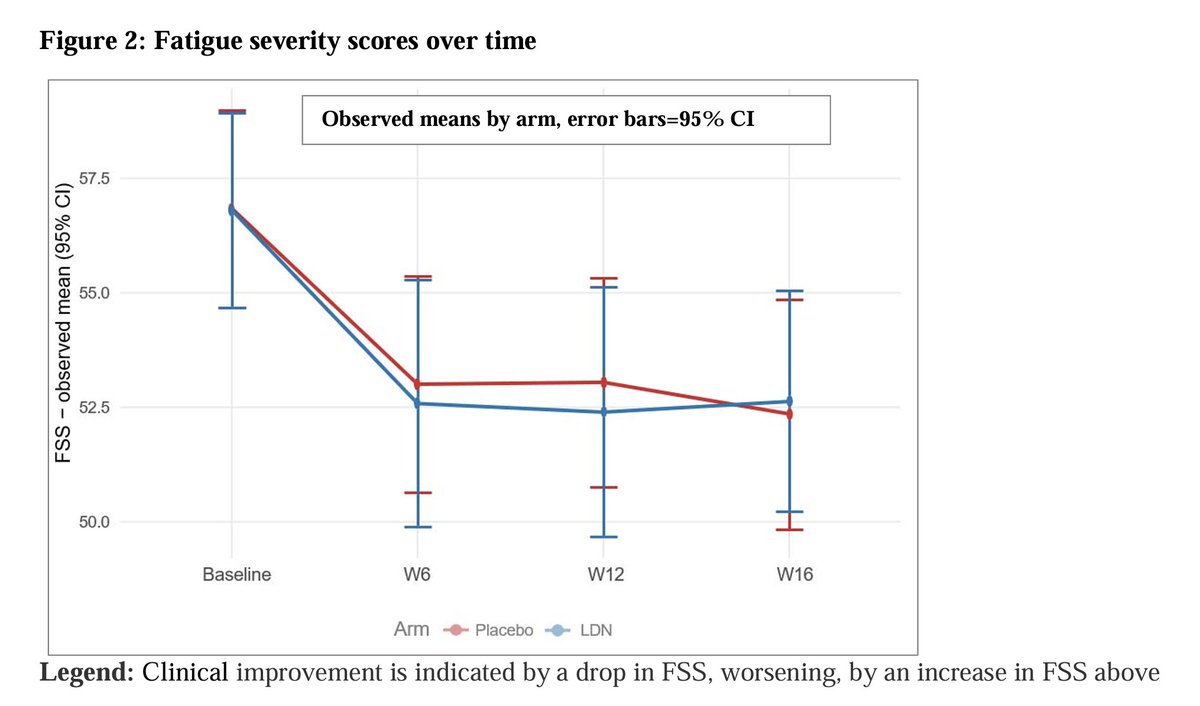
1) 🇨🇦 The results of Luis Nacul's trial of low-dose naltrexone (LDN) have been published.
Unfortunately, it shows that LDN didn't improve fatigue, pain and other symptoms in patients who developed ME/CFS after COVID-19.
A brief breakdown of the main results. 👇
A new PNAS paper used insurance claims from 245 million Americans to answer an interesting question:
Which long COVID symptoms are actually caused by COVID?
Most earlier studies compared people with a COVID diagnosis to people who never had one.
The catch is that people who got Covid tests were often already at the doctor for something else.
So this team compared people who tested positive to people who tested negative and looked at health outcomes of each group.
Out of 614 health outcomes, the number that were statistically linked to COVID at 1 to 4 months dropped from 262 to 43.
From 4 months to a year it was just 5, including muscle problems, hair loss, and blood clots in the lungs. After a year, nothing stood out.
The older studies on Covid even linked Covid infections to lightning strikes and gun injuries... which tells you something was off.
The authors say clearly that this doesn't mean symptoms after a year aren't real -- just that claims data can't show COVID caused them.
Note that home tests weren't counted, and up to 20% of the negative group later tested positive.
So study design matters a lot, good data matters a lot, and people still sick a year later deserve real answers on what is going on for them.
Thoughts?
Full paper is open access - read it for yourself :-)
Udostępnij
Skopiowano
Hamed Nilforoshan@h_nilforoshan
For years, researchers claimed 400 million+ people contract Long COVID, it has 200+ symptoms, and 90% never recover
Our @PNAS paper shows these findings are incorrect b/c of bad study design. Symptoms are real, but most due to other illness, not COVID
For years, researchers claimed 400 million+ people contract Long COVID, it has 200+ symptoms, and 90% never recover
Our @PNAS paper shows these findings are incorrect b/c of bad study design. Symptoms are real, but most due to other illness, not COVID
The idea that BCG might lower Alzheimer's risk came from bladder cancer patients, where retrospective studies found 12 to 78% lower incidence after BCG.
This mouse study gets at the "why".
BCG seems to retrain the myeloid immune cells and calm down neuroinflammation, with less phospho-tau produced.
Big mouse study caveat, but it's another piece of the immune and infection angle in dementia. I want to see human trials and the risk/benefits for BCG.
Udostępnij
Skopiowano
Science Advances@ScienceAdvances
A new study proposes the Bacillus Calmette-Guérin vaccine as a preventative measure against dementia.
The vaccine reduces Alzheimer’s-associated phospho-tau proteins, reprograms myeloid immune cells and limits neuroinflammation.
A new study proposes the Bacillus Calmette-Guérin vaccine as a preventative measure against dementia.
The vaccine reduces Alzheimer’s-associated phospho-tau proteins, reprograms myeloid immune cells and limits neuroinflammation.
Pre-print on the idea that high homocysteine could play a causal role in long Covid and ME/CFS. It makes sense. But I'm also really surprised that something as easy to test as homocysteine levels hasn't already been tested for long Covid. The idea is that homocysteine gets converted to a thiolactone that damages proteins and the lining of blood vessels.
Udostępnij
Skopiowano
Prof Doug Kell CBE #FBPE #FBPA🔶🇪🇺@dbkell
May be of interest to #pwLC#pwME Kell, D. B. & Pretorius, E. (2026) Evidence for the Causal Involvement of Homocysteine in Long COVID and ME/CFS. Preprints. 2026, 2026102574.
May be of interest to #pwLC#pwME Kell, D. B. & Pretorius, E. (2026) Evidence for the Causal Involvement of Homocysteine in Long COVID and ME/CFS. Preprints. 2026, 2026102574.
It's interesting that the signal was in genes tied to platelet count. People in the top 20% for the platelet polygenic score had 1% dementia on aspirin vs 3.3% on placebo. But major bleeding went from 2.1% to 4.4% in that same group, so it's definitely a talk to your doctor situation for your individual bleeding risk factors.
However, it does point to microvascular clotting as a part of dementia risk that is worth more attention.
Udostępnij
Skopiowano
Massimo@Rainmaker1973
A post-hoc genetic analysis from Monash University, utilizing data from more than 13,500 participants in the ASPREE (Aspirin in Reducing Events in the Elderly) trial, indicates that daily low-dose aspirin may significantly decrease dementia risk, though only within a highly specific genetic subgroup.
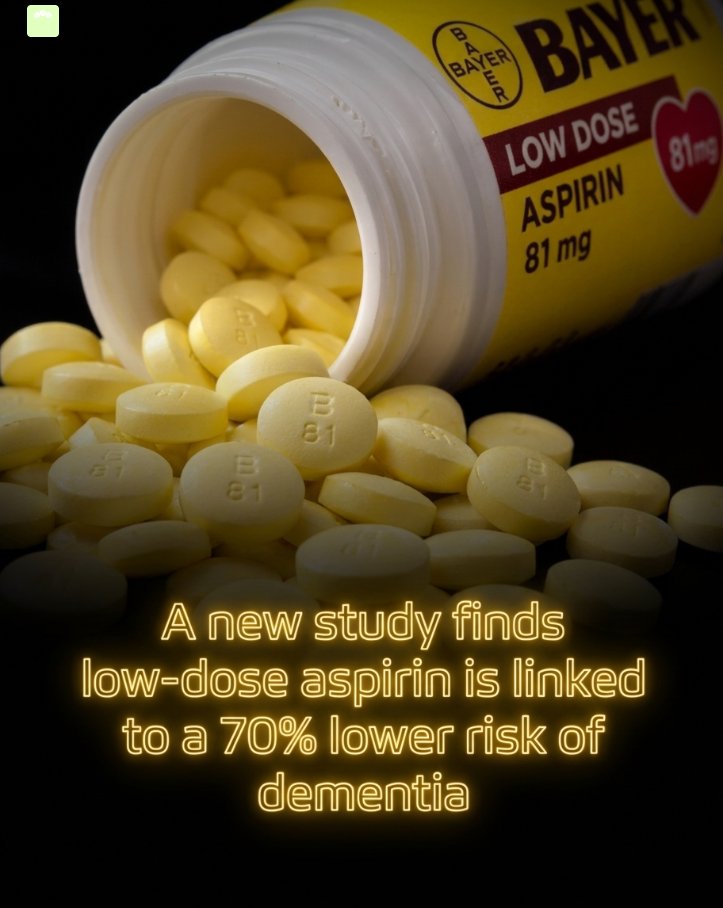
While previous comprehensive assessments of the trial cohort revealed no general cognitive protection from aspirin, this localized study identified a 70% relative reduction in dementia incidence among older adults who ranked in the top 20% for a polygenic risk score tied to high platelet counts. In this distinct subgroup, dementia developed in only 1.0% of the aspirin group compared to 3.3% of the placebo group, representing an absolute risk reduction of 2.3 percentage points.
However, this apparent neuroprotective benefit is accompanied by a severe safety trade-off. Among the exact same genetic subpopulation, the incidence of major internal bleeding more than doubled, climbing from 2.1% in the placebo group to 4.4% among those taking aspirin. This parallel increase matches the absolute difference seen in dementia reduction, meaning the statistical probability of experiencing a major hemorrhage is equivalent to the probability of preventing cognitive decline.
The biological significance of this discovery lies in its departure from typical Alzheimer's disease pathways, such as the APOE gene. Instead, the data points heavily toward platelet-related genetics and microvascular mechanisms, opening a new door for personalized medicine and targeted preventative therapy. Despite these intriguing insights, the findings do not confirm that the cognitive rewards outweigh the bleeding hazards. Because the data stems from an exploratory subgroup analysis, experts emphasize that individuals should not self-prescribe low-dose aspirin for dementia prevention without consulting a physician. Further clinical trials explicitly designed around this specific platelet genetic profile are required to validate the results.
[Fransquet, P. D., et al. (2026). Platelet count polygenic scores may modify the effect of aspirin in primary prevention of dementia. Alzheimer's & Dementia, 22(9), e71817. DOI: /10.1002/alz.71817]
This is one of my favorite aging studies - from a couple of years ago, I think.
IL-11 is an inflammatory signal that climbs with age, and blocking it in older mice extended median lifespan by about 25% in both males and females.
The treated mice also had less frailty, better metabolism, and fewer cancers. IL-11 seems to drive aging partly by keeping mTOR switched on, the same growth pathway rapamycin targets.
Mouse study, and the antibody isn't available for people... But there are some ways to impact IL-11 that I wrote about here:
Udostępnij
Skopiowano
Ryan Bethencourt@RyanBethencourt
These two mice are the exact same age, the human equivalent of 85.
The mouse on the right was given an antibody blocking a single inflammatory protein (IL-11) starting in late middle age.
Starting treatment at human-equivalent age 55:
- Extended median lifespan by 25% in both males and females
- Prevented grey hair, frailty, and muscle wasting
- Cut late-life cancer deaths in half
Three anti IL-11 antibodies (that might extend human lifespan) are already in human clinical trials right now.
Not everyone with PCOS has ovarian cysts, and not everyone with ovarian cysts has PCOS.
PCOS affects about 5 to 18% of premenopausal women and is estimated to be around 70% heritable. There isn't one PCOS gene, though. The research points to four overlapping pathways, which are hormone dysregulation, insulin resistance, circadian disruption and inflammation.
The insulin piece runs both ways. Insulin pushes the ovaries to make more testosterone, and giving women testosterone increases insulin resistance.
The circadian piece is the one I find most interesting. In animal studies, disrupting the body clock with light caused the same hormone changes seen in PCOS. So late nights under bright lights may matter more than most people think.
Knowing which pathway is driving yours helps you decide what to work on first. 👇
These two mice are the exact same age, the human equivalent of 85.
The mouse on the right was given an antibody blocking a single inflammatory protein (IL-11) starting in late middle age.
Starting treatment at human-equivalent age 55:
- Extended median lifespan by 25% in both males and females
- Prevented grey hair, frailty, and muscle wasting
- Cut late-life cancer deaths in half
Three anti IL-11 antibodies (that might extend human lifespan) are already in human clinical trials right now.
It's good to see more clinical trials using repurposed drugs for Alzheimer's.
It's interesting, though that they chose metformin and atomoxetine.
Here's a prior phase II trial on Atomoxetine that showed no cognitive benefits in 12 months. Small trial, though, so maybe a larger one will show statistically significant changes.
Udostępnij
Skopiowano
Owen Gregorian@OwenGregorian
Diabetes and ADHD drugs to be tested on Alzheimer's patients in new study | Fergus Walsh, BBC
A clinical trial has been launched in the UK which scientists hope could cut years from the search for new treatments for Alzheimer's disease.
It will test multiple drugs simultaneously, starting with two repurposed medicines already used to treat type 2 diabetes and attention deficit hyperactivity disorder (ADHD).
The study will examine whether the drugs can lessen symptoms such as memory and thinking problems, and help people maintain their quality of life.
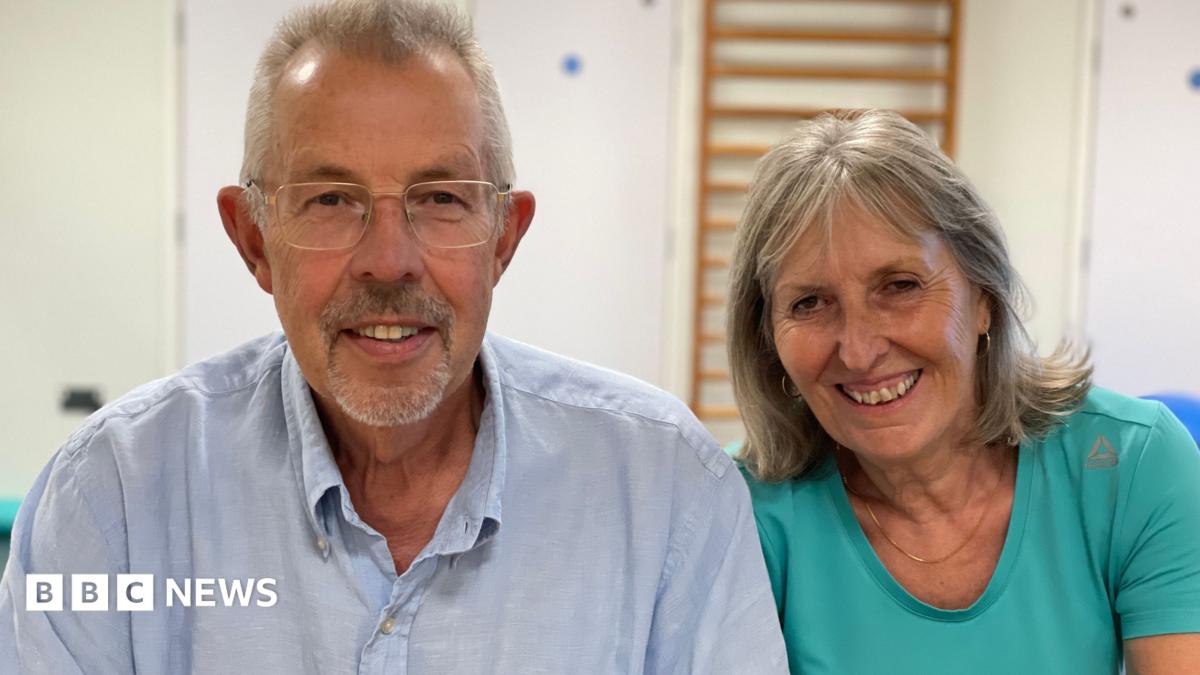
Angela Bucksey, 67, from Cambridgeshire, was diagnosed with Alzheimer's in January and is the first person to begin treatment on the trial, called AD-SMART.
"We have Alzheimer's in the family," she told the BBC.
"My mother had it and my aunts, so it was a disappointment rather than a shock when I was diagnosed because I knew it would restrict my life.
"But I was determined that it wasn't going to define me."
Angela said she felt empowered joining the trial because "at least you are doing something".
"Instead of just sitting there, you're standing up and saying, I will fight back."
Alzheimer's is the most common type of dementia, affecting around 600,000 people in the UK.
'Cutting-edge treatments'
Prime Minister Andy Burnham, whose father died from Alzheimer's last month, said he knew how it felt to lose a loved one to dementia, and had seen first-hand the devastating impact of the disease on families.
"That's why I'm proud to see this trial being launched in the UK, so that cutting-edge treatments can reach patients here as soon as possible," he said.
The AD-SMART study is what's known as a multi-arm, multi-stage platform trial where several treatments are tested simultaneously, with the results compared with one group of participants taking a placebo or dummy.
This means those involved have a higher likelihood of getting an active treatment than in a traditional trial.
If any drug isn't showing benefit it can be dropped quickly and a new treatment added in its place - the approach has been used successfully in cancer and motor neurone disease.
The two initial drugs being tested are metformin, used to treat type 2 diabetes, and atomoxetine, for ADHD, which were selected by an international panel of experts.
Both drugs may help reduce brain inflammation, which is a driver of neurodegeneration, said chief investigator Prof Paresh Malhotra, group leader at the UK Dementia Research Institute Centre for Care Research & Technology at Imperial College London.
"For too long, Alzheimer's research has moved at the pace of one drug, one trial, one answer - sometimes taking a decade or more before we know if we've found something that works," he told the BBC.
"We are applying advances from cancer and other conditions to accelerate testing of treatments for people with Alzheimer's disease."
'Back from despair'
For the drugs to be successful, the study has to show that they have beneficial effects on thinking and the ability to carry out everyday activities.
"That's what patients and their carers care about," said Prof Malhotra.
Some 1,200 participants with mild to moderate Alzheimer's will be recruited at more than 30 sites across the UK. Sites in Cambridgeshire, Surrey, London, Southampton and Edinburgh are already open.
Scientists expect to finish evaluating the first drugs in 2030 and, in that time, additional treatments are likely to be added.
All the participants will have regular health checks including cognitive tests, which will help researchers assess how effective the treatments are.
Angela Bucksey's husband Steve, who is her study partner, told the BBC: "Joining the trial has brought us back from the despair of a diagnosis which everybody recognises is non-recoverable.
"People who know we are on a drug trial understand that we're doing something about it and, rather than be sorry for us, they can be encouraging."
Dr Sheona Scales, director of research at Alzheimer's Research UK said "time is precious" for people living with Alzheimer's disease and more treatment options are urgently needed.
Read more:
Interesting study. Creatine plus lifting twice a week, and perimenopausal women had more regular sleep and fewer days of feeling overheated or hot flashes.
There's actually a neat hormone link here. The brain uses creatine to recycle ATP through an enzyme made by the CKB gene, and CKB was originally discovered as a protein that estrogen switches on. So when estrogen drops, brain energy can be affected.
Udostępnij
Skopiowano
Dr. Rhonda Patrick@foundmyfitness
Creatine may help women in perimenopause maintain more consistent sleep when combined with strength training.
Women taking creatine for 6 weeks had sleep regularity scores 7.4 percentage points higher than the placebo group, reported fewer days of temperature sensitivity, and had greater brain oxygenation during a cognitive task.
The protocol was 20 grams of creatine monohydrate daily for 5 days, followed by about 4.5 grams daily, with resistance training twice a week.
These are encouraging early findings, particularly for sleep regularity in a population known to suffer from poor sleep quality!
I love seeing more creatine research in women.
Diabetes and ADHD drugs to be tested on Alzheimer's patients in new study | Fergus Walsh, BBC
A clinical trial has been launched in the UK which scientists hope could cut years from the search for new treatments for Alzheimer's disease.
It will test multiple drugs simultaneously, starting with two repurposed medicines already used to treat type 2 diabetes and attention deficit hyperactivity disorder (ADHD).
The study will examine whether the drugs can lessen symptoms such as memory and thinking problems, and help people maintain their quality of life.
Angela Bucksey, 67, from Cambridgeshire, was diagnosed with Alzheimer's in January and is the first person to begin treatment on the trial, called AD-SMART.
"We have Alzheimer's in the family," she told the BBC.
"My mother had it and my aunts, so it was a disappointment rather than a shock when I was diagnosed because I knew it would restrict my life.
"But I was determined that it wasn't going to define me."
Angela said she felt empowered joining the trial because "at least you are doing something".
"Instead of just sitting there, you're standing up and saying, I will fight back."
Alzheimer's is the most common type of dementia, affecting around 600,000 people in the UK.
'Cutting-edge treatments'
Prime Minister Andy Burnham, whose father died from Alzheimer's last month, said he knew how it felt to lose a loved one to dementia, and had seen first-hand the devastating impact of the disease on families.
"That's why I'm proud to see this trial being launched in the UK, so that cutting-edge treatments can reach patients here as soon as possible," he said.
The AD-SMART study is what's known as a multi-arm, multi-stage platform trial where several treatments are tested simultaneously, with the results compared with one group of participants taking a placebo or dummy.
This means those involved have a higher likelihood of getting an active treatment than in a traditional trial.
If any drug isn't showing benefit it can be dropped quickly and a new treatment added in its place - the approach has been used successfully in cancer and motor neurone disease.
The two initial drugs being tested are metformin, used to treat type 2 diabetes, and atomoxetine, for ADHD, which were selected by an international panel of experts.
Both drugs may help reduce brain inflammation, which is a driver of neurodegeneration, said chief investigator Prof Paresh Malhotra, group leader at the UK Dementia Research Institute Centre for Care Research & Technology at Imperial College London.
"For too long, Alzheimer's research has moved at the pace of one drug, one trial, one answer - sometimes taking a decade or more before we know if we've found something that works," he told the BBC.
"We are applying advances from cancer and other conditions to accelerate testing of treatments for people with Alzheimer's disease."
'Back from despair'
For the drugs to be successful, the study has to show that they have beneficial effects on thinking and the ability to carry out everyday activities.
"That's what patients and their carers care about," said Prof Malhotra.
Some 1,200 participants with mild to moderate Alzheimer's will be recruited at more than 30 sites across the UK. Sites in Cambridgeshire, Surrey, London, Southampton and Edinburgh are already open.
Scientists expect to finish evaluating the first drugs in 2030 and, in that time, additional treatments are likely to be added.
All the participants will have regular health checks including cognitive tests, which will help researchers assess how effective the treatments are.
Angela Bucksey's husband Steve, who is her study partner, told the BBC: "Joining the trial has brought us back from the despair of a diagnosis which everybody recognises is non-recoverable.
"People who know we are on a drug trial understand that we're doing something about it and, rather than be sorry for us, they can be encouraging."
Dr Sheona Scales, director of research at Alzheimer's Research UK said "time is precious" for people living with Alzheimer's disease and more treatment options are urgently needed.
Read more:
Creatine may help women in perimenopause maintain more consistent sleep when combined with strength training.
Women taking creatine for 6 weeks had sleep regularity scores 7.4 percentage points higher than the placebo group, reported fewer days of temperature sensitivity, and had greater brain oxygenation during a cognitive task.
The protocol was 20 grams of creatine monohydrate daily for 5 days, followed by about 4.5 grams daily, with resistance training twice a week.
These are encouraging early findings, particularly for sleep regularity in a population known to suffer from poor sleep quality!
I love seeing more creatine research in women.
Interesting saffron study in perimenopause. The mood and anxiety improvements fit with older research, where saffron seems to act on serotonin and also has anti-inflammatory effects. The caveats in this thread are worth reading though. It's industry funded, not peer reviewed yet, and the effect is double the earlier trial. Still, there aren't a lot of drawbacks to trying saffron.
Here's more research studies on saffron:
Udostępnij
Skopiowano
William A. Wallace, Ph.D.@WilliamWallace
A saffron extract cut perimenopausal symptom scores by 68% in 12 weeks versus 17% on placebo, roughly twice the benefit a similar saffron trial reported five years ago.
Saffron’s most consistent evidence is for mood, and a 2019 meta-analysis of 23 trials found large effects on depressive and anxiety symptoms compared with placebo, although it also found signs of publication bias and little regional diversity. In menopause, a 6-week trial in postmenopausal women with depression and hot flashes reported improvements in both. The closest comparison is a 2021 Australian trial in 86 perimenopausal women, where a different extract at 28 mg a day lowered total symptom scores by 32% versus 14% on placebo, with clear gains in anxiety and depression but nothing beyond placebo for hot flushes or physical symptoms.
Those studies left the size of saffron’s effect across perimenopause uncertain. In the new preprint, 104 women in perimenopause at three sites in Pakistan were randomized, double-blind, to 30 mg a day of a standardized extract or placebo for 12 weeks, with symptoms rated on the 21-item Greene Climacteric Scale.
1. Total scores fell from 35.2 to 11.2 on saffron and from 35.6 to 29.4 on placebo, and most of the saffron effect had appeared by week 6, when scores were down 44% versus 10%.
2. Psychological symptoms fell 67% versus 16%, and physical symptoms such as headaches, aches and dizziness fell 75% versus 18%, while the combined hot flush and night sweat score narrowly missed significance even though night sweats improved.
3. Mood scores, rated sleep quality, several quality-of-life measures and triglycerides also improved, and mild side effects were similar in both groups (10 versus 8 events).
Taken together, the direction matches earlier saffron research, especially for mood, but the size does not. Placebo groups improved by similar amounts in both perimenopause trials (14% and 17%), while the saffron effect more than doubled, from a 32% drop to a 68% drop. For women whose perimenopause is dominated by anxiety, low mood and low energy, saffron is a reasonable option to discuss, but the 68% figure should be treated as a ceiling until an independent group repeats it.
This is a preprint that has not been peer reviewed, the extract’s maker funded the trial, and four authors work for the company. Only 63 of 104 women fully followed the protocol, and several smaller results faded when the analysis was limited to them. The paper reports that hot flushes improved no more than on placebo, yet its own table shows scores falling from 2.0 to 0.6 on saffron versus 2.0 to 1.5 on placebo, an inconsistency the authors need to resolve. Women using hormone therapy, antidepressants or sleep medication were excluded.
References
Sultana R et al., medRxiv (preprint), 2026
Lopresti AL and Smith SJ, Journal of Menopausal Medicine, 2021
Marx W et al., Nutrition Reviews, 2019
Kashani L et al., Archives of Gynecology and Obstetrics, 2018
A new study in Cell found that taurine levels don’t drop with age (the way they measured them). Yet supplementing with taurine was still beneficial in aging mice. The mechanism is interesting. Taurine helped to prevent excess NLRP3 activation - preventing inflammaging, of this sort.
Here’s my latest Longevity Lifehacks article on it.
A saffron extract cut perimenopausal symptom scores by 68% in 12 weeks versus 17% on placebo, roughly twice the benefit a similar saffron trial reported five years ago.
Saffron’s most consistent evidence is for mood, and a 2019 meta-analysis of 23 trials found large effects on depressive and anxiety symptoms compared with placebo, although it also found signs of publication bias and little regional diversity. In menopause, a 6-week trial in postmenopausal women with depression and hot flashes reported improvements in both. The closest comparison is a 2021 Australian trial in 86 perimenopausal women, where a different extract at 28 mg a day lowered total symptom scores by 32% versus 14% on placebo, with clear gains in anxiety and depression but nothing beyond placebo for hot flushes or physical symptoms.
Those studies left the size of saffron’s effect across perimenopause uncertain. In the new preprint, 104 women in perimenopause at three sites in Pakistan were randomized, double-blind, to 30 mg a day of a standardized extract or placebo for 12 weeks, with symptoms rated on the 21-item Greene Climacteric Scale.
1. Total scores fell from 35.2 to 11.2 on saffron and from 35.6 to 29.4 on placebo, and most of the saffron effect had appeared by week 6, when scores were down 44% versus 10%.
2. Psychological symptoms fell 67% versus 16%, and physical symptoms such as headaches, aches and dizziness fell 75% versus 18%, while the combined hot flush and night sweat score narrowly missed significance even though night sweats improved.
3. Mood scores, rated sleep quality, several quality-of-life measures and triglycerides also improved, and mild side effects were similar in both groups (10 versus 8 events).
Taken together, the direction matches earlier saffron research, especially for mood, but the size does not. Placebo groups improved by similar amounts in both perimenopause trials (14% and 17%), while the saffron effect more than doubled, from a 32% drop to a 68% drop. For women whose perimenopause is dominated by anxiety, low mood and low energy, saffron is a reasonable option to discuss, but the 68% figure should be treated as a ceiling until an independent group repeats it.
This is a preprint that has not been peer reviewed, the extract’s maker funded the trial, and four authors work for the company. Only 63 of 104 women fully followed the protocol, and several smaller results faded when the analysis was limited to them. The paper reports that hot flushes improved no more than on placebo, yet its own table shows scores falling from 2.0 to 0.6 on saffron versus 2.0 to 1.5 on placebo, an inconsistency the authors need to resolve. Women using hormone therapy, antidepressants or sleep medication were excluded.
References
Sultana R et al., medRxiv (preprint), 2026
Lopresti AL and Smith SJ, Journal of Menopausal Medicine, 2021
Marx W et al., Nutrition Reviews, 2019
Kashani L et al., Archives of Gynecology and Obstetrics, 2018
T cells can get worn out. Researchers call it T cell exhaustion, and most of the early work came from HIV and hepatitis C patients in the 90s.
When a T cell keeps seeing the same antigen for too long, it turns up brakes like PD-1, TIM3, CTLA-4 and LAG-3 and stops responding well. In mice, 1 to 2 weeks of antigen made healthy memory T cells, while 2 to 4 weeks pushed them toward exhaustion. It works more like a dimmer switch than an off switch.
A portion of long Covid patients show this pattern, and a 2024 study found it was common in ME/CFS. In one study, when treatment improved CD8+ T cell function, symptom severity dropped by more than half. By 24 months, many long Covid patients had T cells that looked more normal again, along with better quality of life.
Exhausted T cells also tend to have struggling mitochondria. Genetic variants shift how easily you hit that threshold. 👇
1) 🇨🇦 The results of Luis Nacul's trial of low-dose naltrexone (LDN) have been published.
Unfortunately, it shows that LDN didn't improve fatigue, pain and other symptoms in patients who developed ME/CFS after COVID-19.
A brief breakdown of the main results. 👇
Good video for POTS Awareness Day.
Something I wish more people knew is how often POTS coexists with other things, like hEDS, mast cell issues, ME/CFS, and long Covid.
A big share of long Covid patients end up with some form of dysautonomia.
More on the background science and genes that increase susceptibility here:
Udostępnij
Skopiowano
ThePOTSPostman@ThePOTSPostman
In honor of POTS Awareness Day, I wanted to share a video that I genuinely wish more people would take the time to watch.
It’s one of the best videos I’ve come across explaining what POTS actually is and just how debilitating living with this condition can be.
In honor of POTS Awareness Day, I wanted to share a video that I genuinely wish more people would take the time to watch.
It’s one of the best videos I’ve come across explaining what POTS actually is and just how debilitating living with this condition can be.