Postări cu #mitos

#mitos

Postări publice de pe X care folosesc #mitos.

Hashtaguri înrudite

  1. L A R A ♡✓@CryptoLara_
    mitosis:native Bullish Reversal Setup🚀 A textbook Falling Wedge is forming on $MITOwith price approaching the apex👀📉 A final liquidity sweep near the lower trendline could trigger a strong breakout, with $0.080 as the potential target Keeping mitosis:native on the radar. What’s your target? 👇 #MITO #Crypto #Trading
    Descarcă
    34251135.5K
  2. Ethic@Ethic_
    Si los esclavos en la caverna de #Platón debían descubrir que las sombras no eran la verdad, en el mundo actual habría que discernir qué hace parte del juego de espejos que crea una sociedad hiperconectada.
    026672.3K
  3. Ethic@Ethic_
    En la raíz de todo cuanto merece la pena hay siempre un #mito. La fundación de una ciudad, la creación del primer hombre o el nacimiento del universo exigen una respuesta.
    013432.2K
  4. 0xNox✓@0xNoxxx
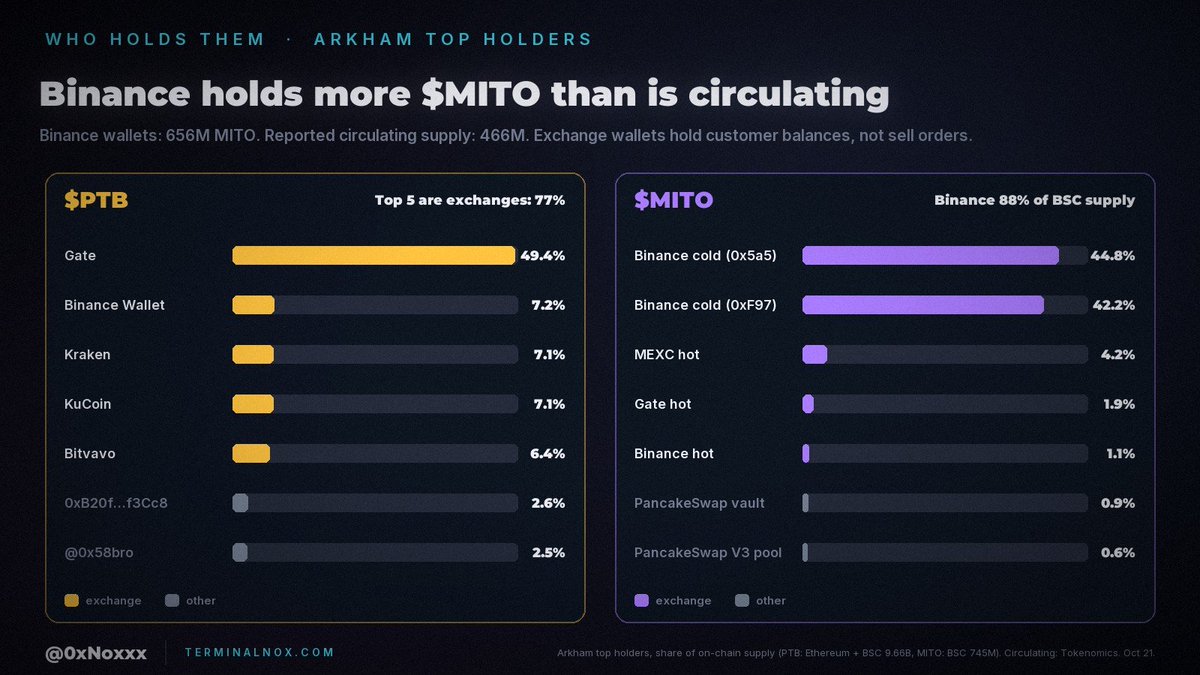
    Binance holds more MITO than is circulating. On Thursday it closes the MITO perp. Can mitosis:native or $PTB be the next NFP? NFP went almost 8x on its last day before Binance closed its perp.
    Descarcă
    72369.2K
  5. 🕸️Dr.T, PhD✓@chydorina
    This post on energy-use in patients with mitochondrial disorders is really worth the read. I have been following @MitoPsychoBio for a few years now and have often wondered if the key missing pieces for MECFS will filter down from his research. My mitochondrial function (as assayed by the mitoswab test) is below normal and shows very strong compensation (measured by citrate synthase 530% greater than normal). I also have dozens of mitochondrial mtDNA mutations. It feels obvious to me that my body is using more energy at rest - and that i produce much less of it. My GAD15 was pretty average though (45th percentile) - which was a surprise - but the rest of my mitochondrial dysfunction markers (PINK1, DRP1) are shockingly abnormal. Mitochondrial transplants really seem like a strong possibility for treating MECFS - at least in subtypes like mine. It would likely not be a 'one and done' treatment - but the methodology is simple enough and the injections could be made available in clinics. See @PathfinderEq for more details on mito transplants.
    Descarcă
    Daniel Tawfik @dantawfik
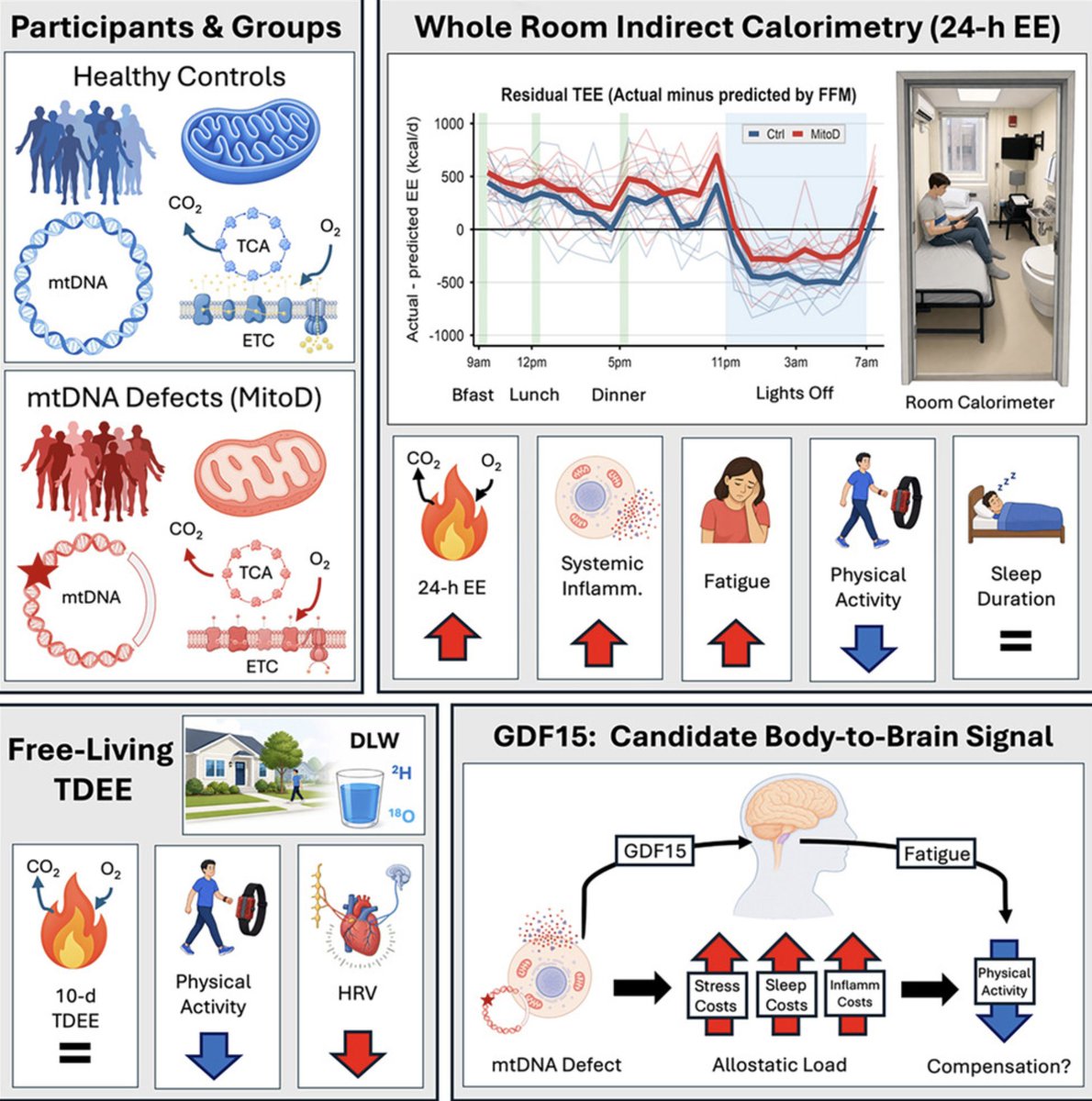
    Adults with mitochondrial disease burned about 195 more calories a day than healthy controls in a metabolic chamber, while moving 26% less. Yet over 10 days of normal life, their total energy expenditure looked the same as everyone else's. A new study in Cell Press Blue, led by Evan Shaulson and Martin Picard @MitoPsychoBio at Columbia University, suggests the extra cost is real. It just gets hidden because people with these defects move less. The study compared 10 adults with mitochondrial disease to 10 healthy controls of similar age, sex, height, and BMI. Mitochondria carry their own small set of DNA, separate from the DNA in your cell nucleus. All 10 patients had a confirmed mutation in that mitochondrial DNA. Five had a single letter change in the genetic code (the m.3243A>G mutation). Five were missing a large chunk of the DNA entirely (a single large deletion). Different mutations, same problem. Both damage oxidative phosphorylation, or OxPhos, the final stage of energy production where mitochondria use oxygen to make most of your ATP. The question was simple. If the cell's energy machinery is damaged, does the whole body burn less energy, more, or the same? Answering it is harder than it sounds, because a single measurement can mislead. So the researchers measured each person three different ways: 1. Resting energy expenditure for one hour, fasted, lying still. 2. A 23 hour stay in a whole-room calorimeter (an airtight room that measures oxygen use and CO2 output) with fixed meals, fixed lights-out, and hourly blood draws. 3. Ten days of free living, using doubly labeled water (you drink water tagged with two isotopes, and how fast they leave your body reveals total energy burned). The findings were fairly insightful: • Resting energy expenditure did not differ between groups (+19 kcal/day, p = 0.989), after adjusting for fat-free mass (everything in the body that isn't fat). • In the chamber, 24 hour expenditure was higher in mitochondrial disease by 195.5 kcal/day (p = 0.016). The gap held across day and night. • Wrist acceleration was 26% lower in patients, yet energy spent per unit of movement was 58% higher. • During sleep, patients burned 116.7% of their resting rate versus 102.3% in controls. Heart rate variability (a marker of how well your nervous system shifts into recovery mode) was 58% lower. • In free living, total daily expenditure was similar (p = 0.48), but patients moved 39% less. • Plasma GDF15, a stress hormone made by cells under mitochondrial strain, was about 4.6 times higher in patients (1,840 vs 404 pg/mL). C-reactive protein, an inflammation marker, was 301% higher. So what's happening here? Think of a car with a worn engine. It burns more fuel per mile. If the driver cuts back on trips, the monthly gas bill looks normal, but the engine is still inefficient. Mitochondrial defects seem to be raising the energetic cost of living, and the body appears to balance the budget by lowering voluntary activity. This fits the constrained energy model, which holds that total daily expenditure stays within a narrow range because activity and other costs trade off against each other. GDF15 is the candidate messenger. It acts on a receptor called GFRAL, found only in the brainstem, and in other settings it causes malaise, suppresses appetite, and reduces activity. In this study, higher GDF15 tracked with disease severity, fatigue ratings, higher energy cost per unit of movement, higher sleep expenditure, and lower free-living activity. Some things to take into consideration: The sample is 10 per group, with two different mutation types pooled together. Wrist accelerometers capture movement poorly, and the energy measure includes non-movement costs like inflammation, so the study can't say how much of the extra cost is muscle inefficiency. The chamber was a strange place to sleep, with an IV line and sensors, and both groups burned more than expected at night. Patients also ate only 95% of their measured expenditure versus 107.5% in controls, so their lower fat burning in the chamber could reflect a calorie deficit and not the mutation. The GDF15 data are correlations across a case-control gradient. They can't show whether GDF15 causes the inactivity, or whether inactivity, symptoms, and GDF15 all follow from the disease. Proving that would take trials that block the pathway, and the team recommends caution because GDF15 may be a useful energy-sensing signal. For patients, the findings point to managing the downstream costs: sleep problems, anemia, heart and lung dysfunction, and psychological stress. They also suggest exercise may help partly by lowering the energy cost of everyday movement. That is an interpretation, supported by earlier training studies in this population. There is a broader question for the rest of us. This was a rare disease, and these patients carried mutations in most of their mitochondrial DNA copies. Healthy aging looks nothing like that. But some of the same pieces show up as we get older, and what follows here is my extrapolation, not something the study tested. • Mitochondrial DNA damage accumulates with age, though at much lower levels than in disease. • GDF15 rises steadily with age, and in large cohorts it is one of the strongest blood predictors of mortality and age-related disease. • Older adults tend to spend more energy per step when walking, and fatigue and falling activity are among the earliest signs of functional decline. If mitochondrial strain raises the cost of living even modestly, and the body responds by quietly cutting activity through a signal like GDF15, that could be one route by which aging becomes self-reinforcing. Less movement means less muscle and fewer mitochondria, which raises the cost of the next trip. A hidden energy tax would be hard to see in a resting test, and most people would just call it getting older. Training is the best-supported way to improve mitochondrial function and lower the cost of movement, and the case for staying active gets stronger if the brake is partly biological and not just motivational. Any drug aimed at GDF15 or its receptor is years from clinical use, and blocking an energy-sensing signal could carry risks. The broader lesson is about measurement. A one hour resting test missed the problem entirely. Only the full day in the chamber exposed it, and only the free-living data showed how behavior hides it. Fatigue may be less a failure of motivation than a response to an energy bill the body can't afford.
    413913.3K
  6. Daniel Tawfik✓@dantawfik
    Adults with mitochondrial disease burned about 195 more calories a day than healthy controls in a metabolic chamber, while moving 26% less. Yet over 10 days of normal life, their total energy expenditure looked the same as everyone else's. A new study in Cell Press Blue, led by Evan Shaulson and Martin Picard @MitoPsychoBio at Columbia University, suggests the extra cost is real. It just gets hidden because people with these defects move less. The study compared 10 adults with mitochondrial disease to 10 healthy controls of similar age, sex, height, and BMI. Mitochondria carry their own small set of DNA, separate from the DNA in your cell nucleus. All 10 patients had a confirmed mutation in that mitochondrial DNA. Five had a single letter change in the genetic code (the m.3243A>G mutation). Five were missing a large chunk of the DNA entirely (a single large deletion). Different mutations, same problem. Both damage oxidative phosphorylation, or OxPhos, the final stage of energy production where mitochondria use oxygen to make most of your ATP. The question was simple. If the cell's energy machinery is damaged, does the whole body burn less energy, more, or the same? Answering it is harder than it sounds, because a single measurement can mislead. So the researchers measured each person three different ways: 1. Resting energy expenditure for one hour, fasted, lying still. 2. A 23 hour stay in a whole-room calorimeter (an airtight room that measures oxygen use and CO2 output) with fixed meals, fixed lights-out, and hourly blood draws. 3. Ten days of free living, using doubly labeled water (you drink water tagged with two isotopes, and how fast they leave your body reveals total energy burned). The findings were fairly insightful: • Resting energy expenditure did not differ between groups (+19 kcal/day, p = 0.989), after adjusting for fat-free mass (everything in the body that isn't fat). • In the chamber, 24 hour expenditure was higher in mitochondrial disease by 195.5 kcal/day (p = 0.016). The gap held across day and night. • Wrist acceleration was 26% lower in patients, yet energy spent per unit of movement was 58% higher. • During sleep, patients burned 116.7% of their resting rate versus 102.3% in controls. Heart rate variability (a marker of how well your nervous system shifts into recovery mode) was 58% lower. • In free living, total daily expenditure was similar (p = 0.48), but patients moved 39% less. • Plasma GDF15, a stress hormone made by cells under mitochondrial strain, was about 4.6 times higher in patients (1,840 vs 404 pg/mL). C-reactive protein, an inflammation marker, was 301% higher. So what's happening here? Think of a car with a worn engine. It burns more fuel per mile. If the driver cuts back on trips, the monthly gas bill looks normal, but the engine is still inefficient. Mitochondrial defects seem to be raising the energetic cost of living, and the body appears to balance the budget by lowering voluntary activity. This fits the constrained energy model, which holds that total daily expenditure stays within a narrow range because activity and other costs trade off against each other. GDF15 is the candidate messenger. It acts on a receptor called GFRAL, found only in the brainstem, and in other settings it causes malaise, suppresses appetite, and reduces activity. In this study, higher GDF15 tracked with disease severity, fatigue ratings, higher energy cost per unit of movement, higher sleep expenditure, and lower free-living activity. Some things to take into consideration: The sample is 10 per group, with two different mutation types pooled together. Wrist accelerometers capture movement poorly, and the energy measure includes non-movement costs like inflammation, so the study can't say how much of the extra cost is muscle inefficiency. The chamber was a strange place to sleep, with an IV line and sensors, and both groups burned more than expected at night. Patients also ate only 95% of their measured expenditure versus 107.5% in controls, so their lower fat burning in the chamber could reflect a calorie deficit and not the mutation. The GDF15 data are correlations across a case-control gradient. They can't show whether GDF15 causes the inactivity, or whether inactivity, symptoms, and GDF15 all follow from the disease. Proving that would take trials that block the pathway, and the team recommends caution because GDF15 may be a useful energy-sensing signal. For patients, the findings point to managing the downstream costs: sleep problems, anemia, heart and lung dysfunction, and psychological stress. They also suggest exercise may help partly by lowering the energy cost of everyday movement. That is an interpretation, supported by earlier training studies in this population. There is a broader question for the rest of us. This was a rare disease, and these patients carried mutations in most of their mitochondrial DNA copies. Healthy aging looks nothing like that. But some of the same pieces show up as we get older, and what follows here is my extrapolation, not something the study tested. • Mitochondrial DNA damage accumulates with age, though at much lower levels than in disease. • GDF15 rises steadily with age, and in large cohorts it is one of the strongest blood predictors of mortality and age-related disease. • Older adults tend to spend more energy per step when walking, and fatigue and falling activity are among the earliest signs of functional decline. If mitochondrial strain raises the cost of living even modestly, and the body responds by quietly cutting activity through a signal like GDF15, that could be one route by which aging becomes self-reinforcing. Less movement means less muscle and fewer mitochondria, which raises the cost of the next trip. A hidden energy tax would be hard to see in a resting test, and most people would just call it getting older. Training is the best-supported way to improve mitochondrial function and lower the cost of movement, and the case for staying active gets stronger if the brake is partly biological and not just motivational. Any drug aimed at GDF15 or its receptor is years from clinical use, and blocking an energy-sensing signal could carry risks. The broader lesson is about measurement. A one hour resting test missed the problem entirely. Only the full day in the chamber exposed it, and only the free-living data showed how behavior hides it. Fatigue may be less a failure of motivation than a response to an energy bill the body can't afford.
    Descarcă
    92212015.7K
  7. Breve y curioso✓@breveycurioso
    🇬🇷 Zeus tocó mil puertas disfrazado de mendigo, y solo una se abrió. Según el mito, el rey de los dioses recorría Frigia junto a Hermes para probar la hospitalidad de los humanos. Solo Filemón y Baucis, una pareja de ancianos pobres, los dejaron entrar y les sirvieron lo poco que tenían. Zeus inundó el pueblo, convirtió su cabaña en templo y, como ellos pidieron morir juntos, los transformó en un roble y un tilo entrelazados. ¿Le abrirías hoy la puerta de tu casa a un desconocido?
    Descarcă
    151521650
  8. Datus Magnificus@datusmagnificus
    Así nace una diosa⚔️ Atenea era una diosa con poder, y nació del modo más curioso... Zeus engulló a su madre, la pobre Metis, cuando estaba embarazada Luego, a Zeus le dolía la cabeza, Hefesto le dio un hachazo para aliviarle y así salió Atenea, que ya lucía una armadura🔁 #mitos
    Descarcă
    558307
  9. Valen✓@ValenSecurity
    Mito: analizar vulnerabilidades con IA es meter un prompt genérico y que escanee todo. Dato real: fuentes primarias, CVEs verificados, sin escanear redes y pidiendo autorización antes de expandir permisos. #ciberseguridad #infosec #hackingetico
    Descarcă
    1122580
  10. @TradioS✓@TradiooS
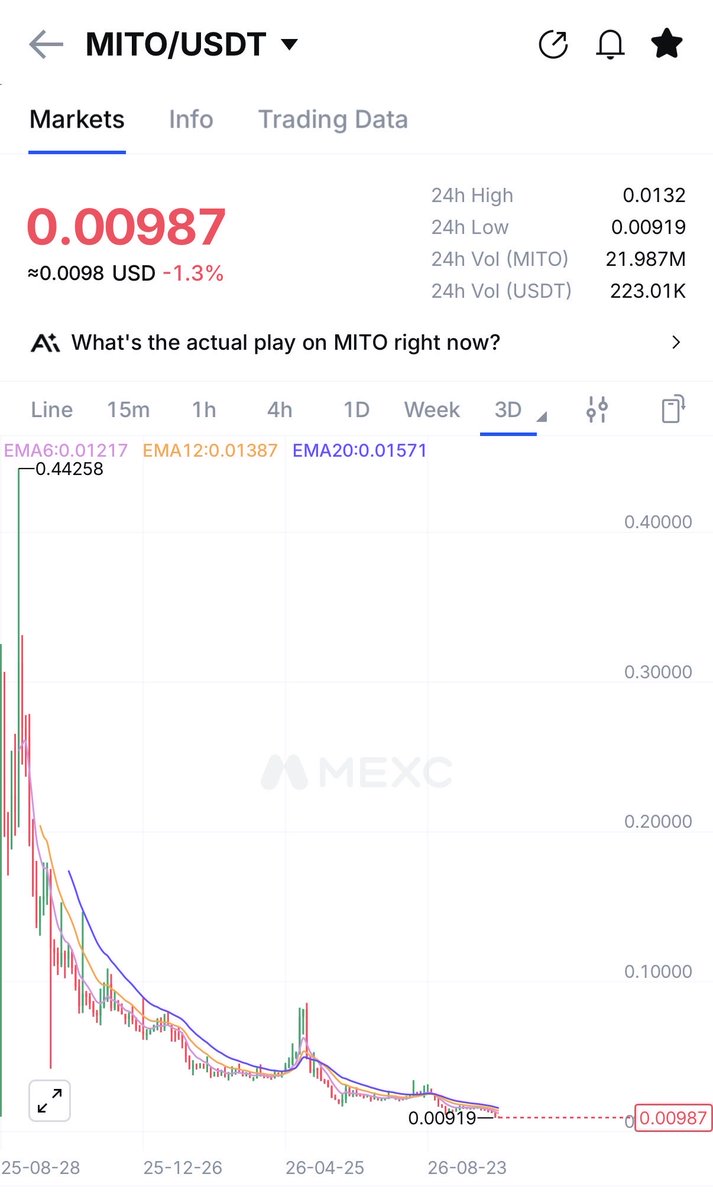
    Kripto sektörü kumarhane, Bende Kumarda zarı son bir defa sallıyorum, ya atar ya batar misali. Piyasa değeri 4 milyona düşen bir coin daha. $MITO dün Binance vadeli’de delist oldu diye büyük bir düşüş yaşadı ama spotta ne izleme aldı nede delist. Zamanında $NFP içinde aynısı olmuştu, hiç yükselmemişti sonra vadelide delist alınca anında 5x yaptırmıştılar. #MITO işlemi şuan en riskli işlemlerden biri ama o kadar zararı başka türlü çıkarmakta bu piyasada aşırı zor.
    Descarcă
    2563819.3K
  11. Ediciones Minotauro✓@minotaurolibros
    ¡Confirmado! En enero llegará a librerías «Dragón: el mito alrededor del mundo», un atlas ilustrado de los dragones del mundo, creado por José Luis Flores y Carlos Draco Herrera. El volumen, que formará parte de nuestra colección #MinotauroIlustrados, da vida a los principales dragones del imaginario colectivo con espectaculares ilustraciones, invitándote a descubrir las leyendas que dieron vida a estas criaturas en cada rincón del mundo. Una obra gráfica y evocadora para leer, admirar y atesorar. #libros #fantasía
    Descarcă
    4301334.3K
  12. Professor Bellei✓@ProfessorBellei
    O vídeo é poderoso, mas não traz novidade em relação ao Mito da Caverna de Platão: a história é a mesma de sempre. O 'apocalipse' é apenas o definitivo retorno aos tempos de Noé.
    Mario Nawfal @MarioNawfal
    A powerful video aimed at raising awareness 🔥 Writer: Sol
    5763439.4K
  13. Mario Nawfal✓@MarioNawfal
    A powerful video aimed at raising awareness 🔥 Writer: Sol
    Descarcă
    717152.6K191K
  14. Julio✓@julioBG32
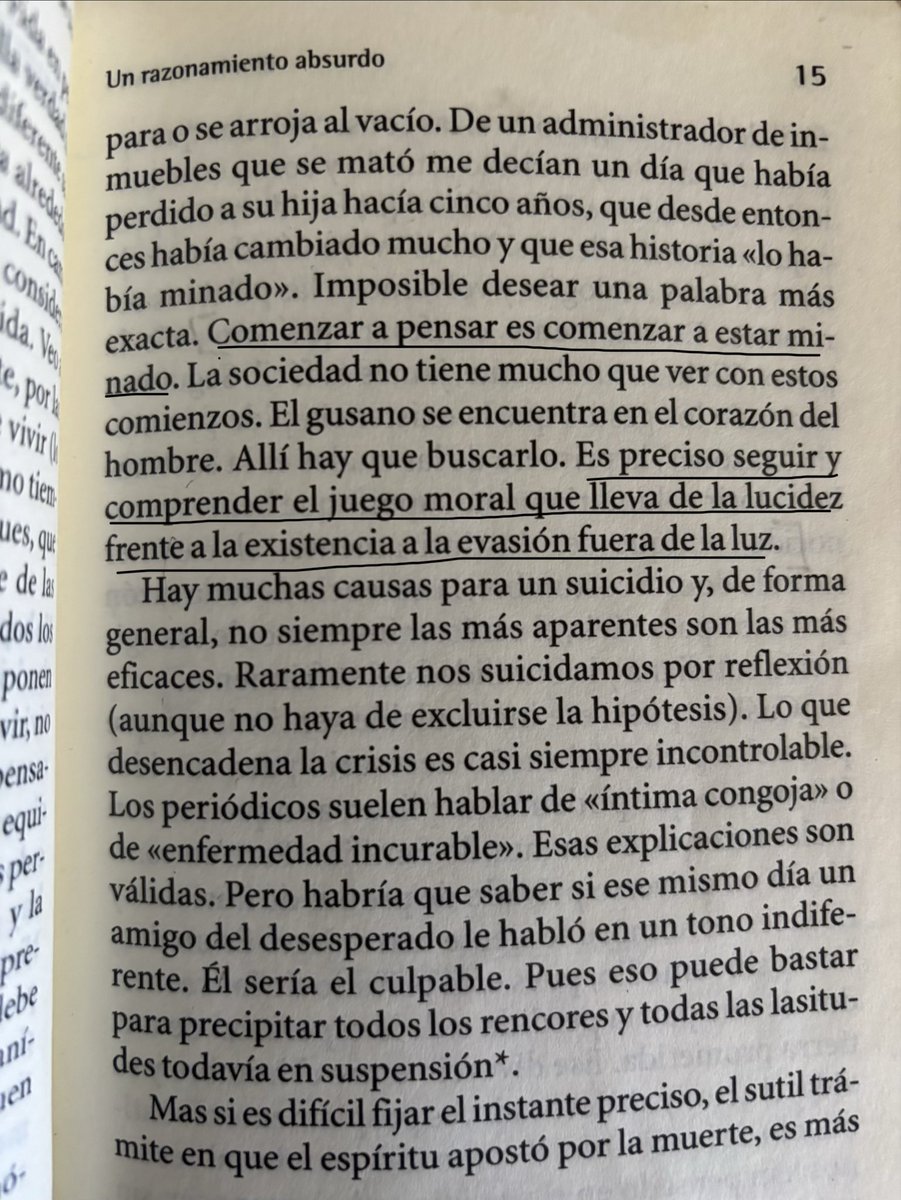
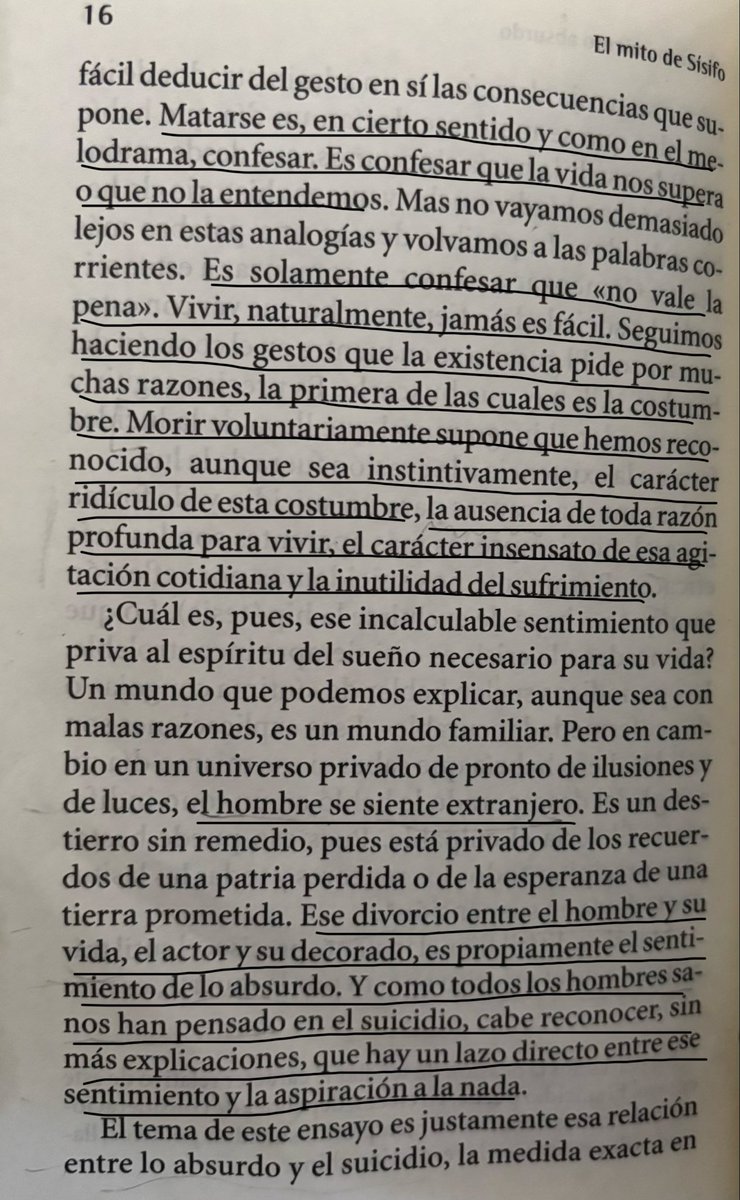
    “El mito de Sísifo” - Albert Camus.
    Descarcă
    113991.6K
  15. Datus Magnificus@datusmagnificus
    Un alma torturada, antes una bella dama y ahora un monstruo, que rapta niños y bebe la sangre de jóvenes Hera descubrió que Zeus tenía un romance con Lamia, y su cólera fue terrible La diosa le quitó a sus hijos, y así nació una criatura monstruosa, sedienta de venganza #mitos
    Descarcă
    359261
  16. Carla@carlabqr
    Cogemos la costumbre de vivir antes de adquirir la de pensar. El mito de Sísifo. Albert Camus.
    Descarcă
    34148310.1K
  17. Arată mai multe postări