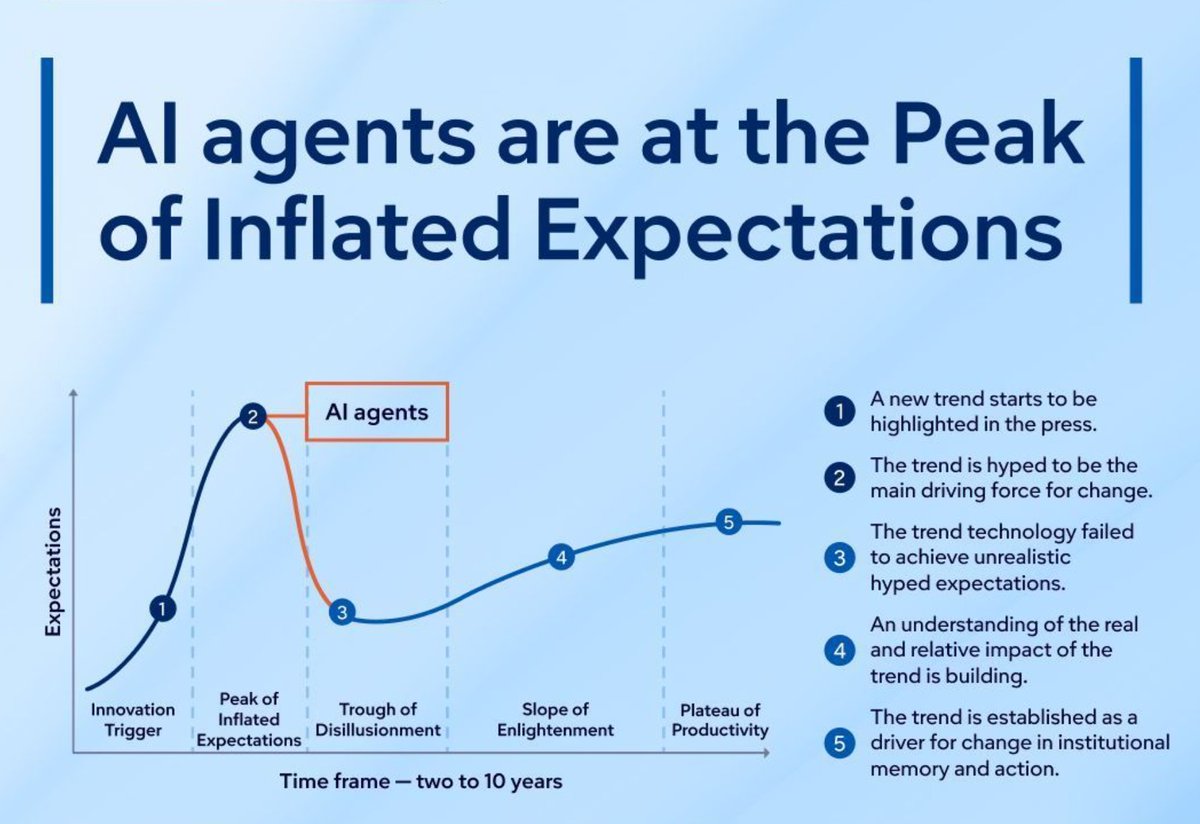
🚨 Trillions of dollars are now priced on the idea that AI agents will replace half the workforce.
The hype cycle says they're at the very top of expectations.
If the products disappoint even a little, the drop to the trough will be BRUTAL.
⚡️ TRADING CHALLENGE: Back to basics
You don't need $100K to learn how to trade.
$1,000. Real account. Goal: $3K. Same setups I use, sized for everyone.
Follow along:
Save this. Record IPOs tend to show up when everyone is comfortable.
- ICBC (Oct 2006): Chinese stocks peaked a year later, then fell about 70%
- Alibaba (Sep 2014): $BABA dropped more than 50% from its high within a year
- Saudi Aramco (Dec 2019): the COVID crash came 3 months later
Not every time tho... SoftBank listed in December 2018 and that was close to the bottom.
So this alone won’t time the market. But when the biggest IPO in history hits right as the put/call ratio sits near 6 year lows, I pay attention.
We're living in an economy where saving cash is the risky move and being fully invested is the conservative one. Your parents would call that insane, it's the new reality
Classic IPOs release every locked share on day 181 and the stock often sinks.
Anthropic staggered its unlocks over a full year, and the co-founders wait the longest 👌
RT @randgroup: ⚠️ Why is $GOOGL tanking?
Not too long ago you had to click through 5 links and 3 ads to get an answer. Now you just ask the AI.
Hard to see Search and Ads growing if that keeps up.
S&P Dow Jones Indices and Kalshi are joining forces to build the next generation of financial markets.
The Dow launched in 1896. The S&P 500 in 1957. The idea was simple: bring individual stocks together into a single benchmark, giving people a clearer view of the broader market.
Over time, products built around those benchmarks transformed investing. Index funds, ETFs, futures, and options gave investors ways to gain diversified market exposure and hedge broad market swings.
These indices became foundations of global finance. More than $20 trillion is indexed or benchmarked to the S&P 500 alone.
Today, this structure extends beyond stocks to bonds, commodities, currencies, and more.
The next step is to bring that structure to the events that shape everyone’s lives.
Through this partnership, S&P Dow Jones Indices and Kalshi will work together to create indices composed of Kalshi event contracts.
Think about what that opens up.
An index of political power. An index of supply chain risk. An index tracking AI’s impact on employment. An index of sports outcomes that affect broadcasters, advertisers, cities, and small businesses. An index of weather risks that shape harvests, energy demand, and business revenues.
Each would bundle event contracts into a single indicator, helping people understand how related risks are evolving.
Over time, products built around these indices could offer diversified exposure to those events and new ways to hedge their impact.
The events that shape our lives could become as easy to track and gain exposure to as the S&P 500.
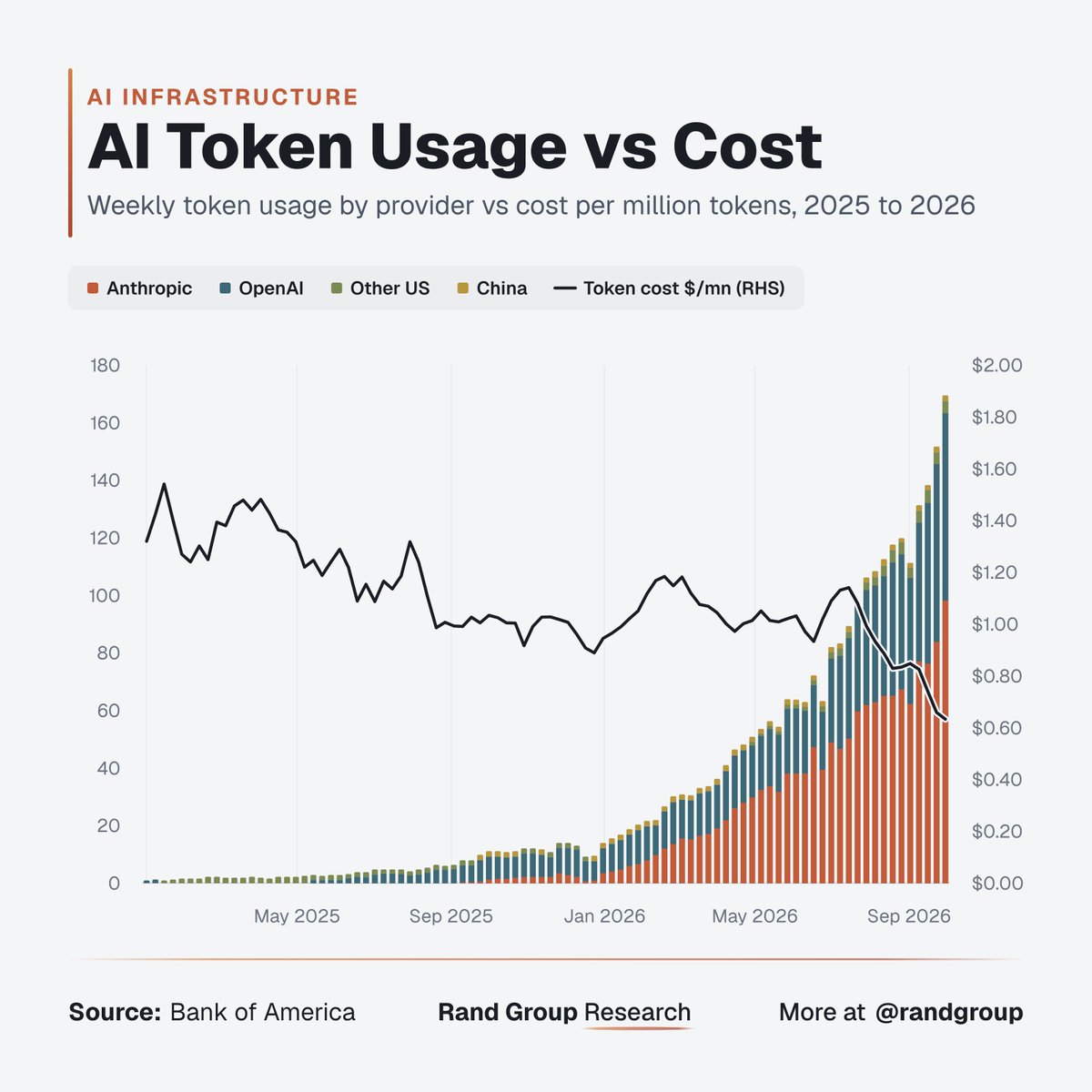
RT @randgroup: ⚠️ RESEARCH: LLM token prices down 55% from the May top and now below where they started the year. Great for anyone using AI but not so great for the companies spending $165B a quarter on capex.
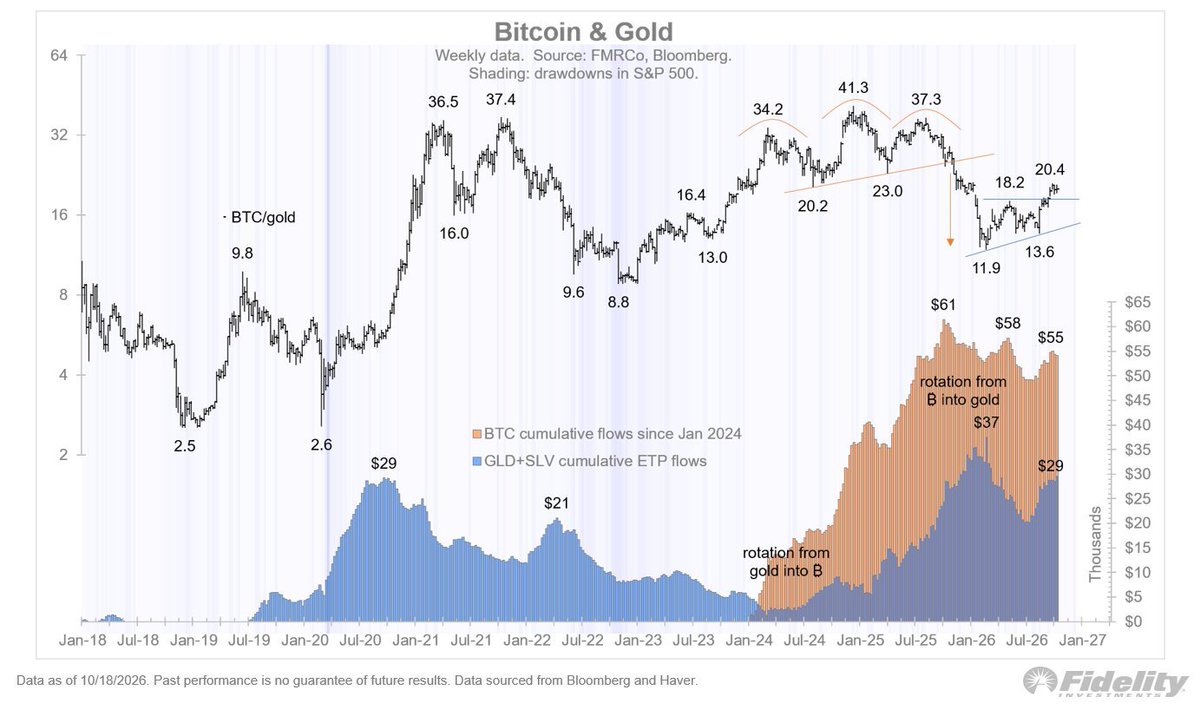
⚠️ Bitcoin at 1% of global assets is about $368K. At gold's size, over $1.3M.
Today it sits at $80K, roughly 0.2% of the pile.
All it takes to get there is a handful of big funds moving ONE percent of their money.
A year ago most people wouldn't let AI order them a pizza.
Now they'll hand it the card and walk away.
Next year it picks your insurance, your mortgage and your stocks, and you'll click "approve" without READING a word
Grain and oil are worth trillions. Gold, tens of trillions. Stocks, over a hundred trillion. Each new financial market has eclipsed the last.
Prediction markets are next.
S&P Dow Jones Indices and Kalshi are joining forces to build the next generation of financial markets.
The Dow launched in 1896. The S&P 500 in 1957. The idea was simple: bring individual stocks together into a single benchmark, giving people a clearer view of the broader market.
Over time, products built around those benchmarks transformed investing. Index funds, ETFs, futures, and options gave investors ways to gain diversified market exposure and hedge broad market swings.
These indices became foundations of global finance. More than $20 trillion is indexed or benchmarked to the S&P 500 alone.
Today, this structure extends beyond stocks to bonds, commodities, currencies, and more.
The next step is to bring that structure to the events that shape everyone’s lives.
Through this partnership, S&P Dow Jones Indices and Kalshi will work together to create indices composed of Kalshi event contracts.
Think about what that opens up.
An index of political power. An index of supply chain risk. An index tracking AI’s impact on employment. An index of sports outcomes that affect broadcasters, advertisers, cities, and small businesses. An index of weather risks that shape harvests, energy demand, and business revenues.
Each would bundle event contracts into a single indicator, helping people understand how related risks are evolving.
Over time, products built around these indices could offer diversified exposure to those events and new ways to hedge their impact.
The events that shape our lives could become as easy to track and gain exposure to as the S&P 500.
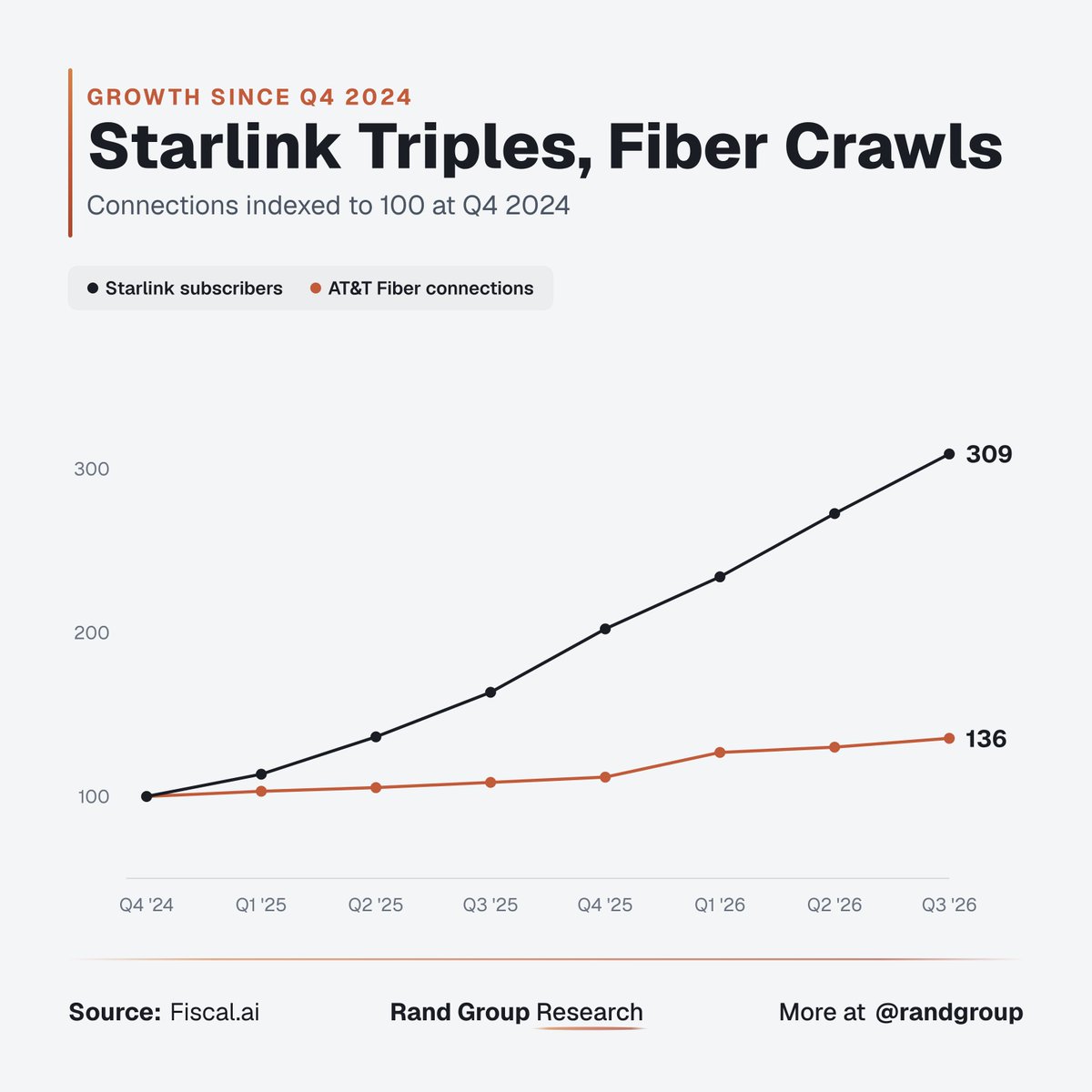
Starlink ( $SPCX ) doesn't dig a single trench.
Every launch adds capacity over the whole planet at once, and every rocket gets cheaper than the last.
This curve is just getting STARTED, and nobody else on Earth can launch at this pace 🛰️
S&P Dow Jones Indices and Kalshi are joining forces to build the next generation of financial markets.
The Dow launched in 1896. The S&P 500 in 1957. The idea was simple: bring individual stocks together into a single benchmark, giving people a clearer view of the broader market.
Over time, products built around those benchmarks transformed investing. Index funds, ETFs, futures, and options gave investors ways to gain diversified market exposure and hedge broad market swings.
These indices became foundations of global finance. More than $20 trillion is indexed or benchmarked to the S&P 500 alone.
Today, this structure extends beyond stocks to bonds, commodities, currencies, and more.
The next step is to bring that structure to the events that shape everyone’s lives.
Through this partnership, S&P Dow Jones Indices and Kalshi will work together to create indices composed of Kalshi event contracts.
Think about what that opens up.
An index of political power. An index of supply chain risk. An index tracking AI’s impact on employment. An index of sports outcomes that affect broadcasters, advertisers, cities, and small businesses. An index of weather risks that shape harvests, energy demand, and business revenues.
Each would bundle event contracts into a single indicator, helping people understand how related risks are evolving.
Over time, products built around these indices could offer diversified exposure to those events and new ways to hedge their impact.
The events that shape our lives could become as easy to track and gain exposure to as the S&P 500.
Usage up. Price down. Everyone's celebrating.
Run it backwards. More compute per dollar of revenue, every single week, funded by investors who think this curve never ends.
So...what's next? 👀
RT @randgroup: Cigarettes took 60 years to peak and nobody saw the damage until it was everywhere.
Now look at your screen time. Phones did the same to your attention span in ten years.
Which year are we in, 1930 or the 1963 PEAK?
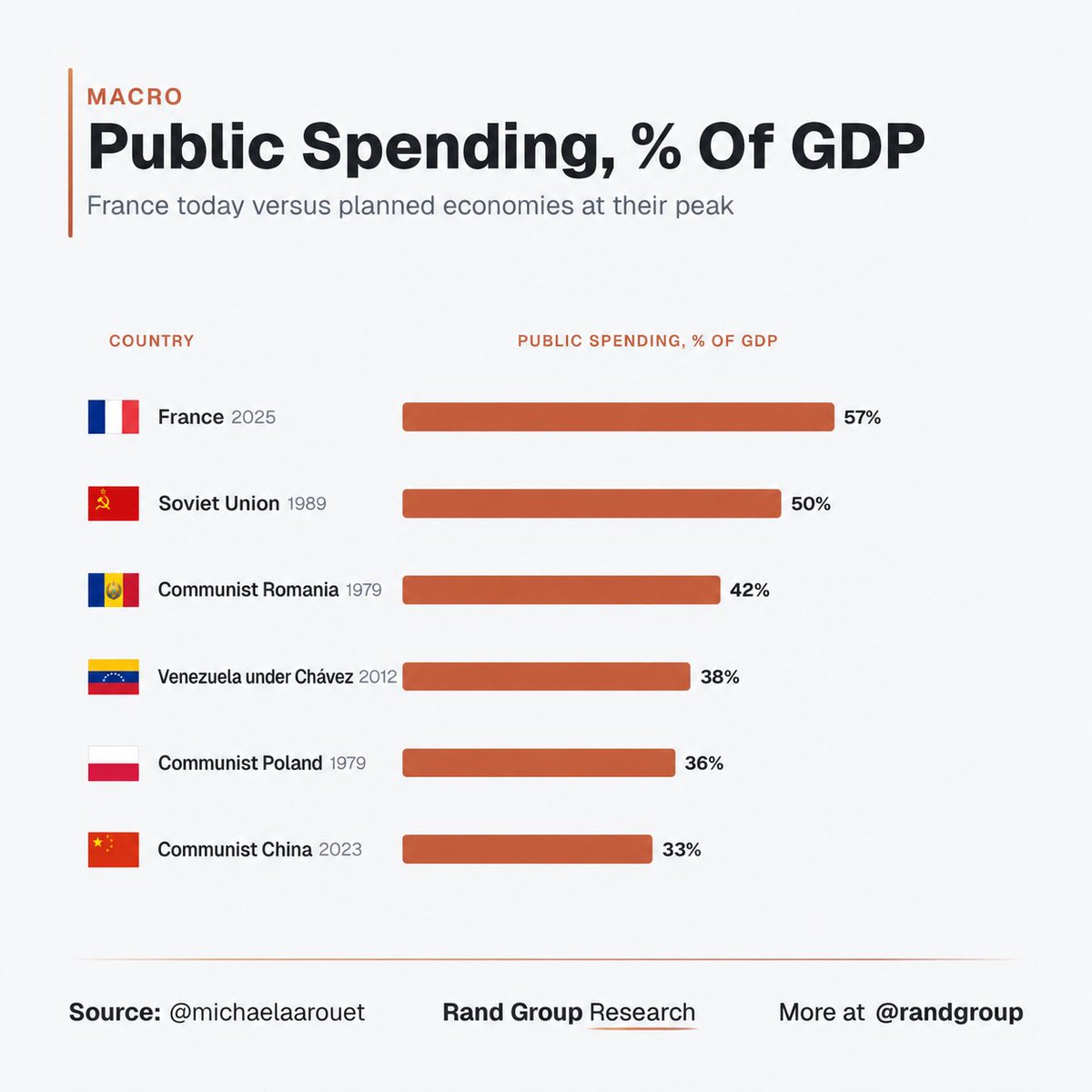
RT @randgroup: 💥 BREAKING: Europe's second largest economy is borrowing like it's 2011 Greece. If Paris cracks, Italy follows, the ECB prints, and the euro in your account will melt soon.
RT @randgroup: Here's what nobody wants to admit.
Every Bitcoin bottom on this chart was built by people like YOU quitting.
So which one are you this time: the holder who survived it, or the liquidity the next cycle gets built on? 🪤