The brain’s 86 billion neurons make it one of science’s hardest puzzles, so the tools we use matter.
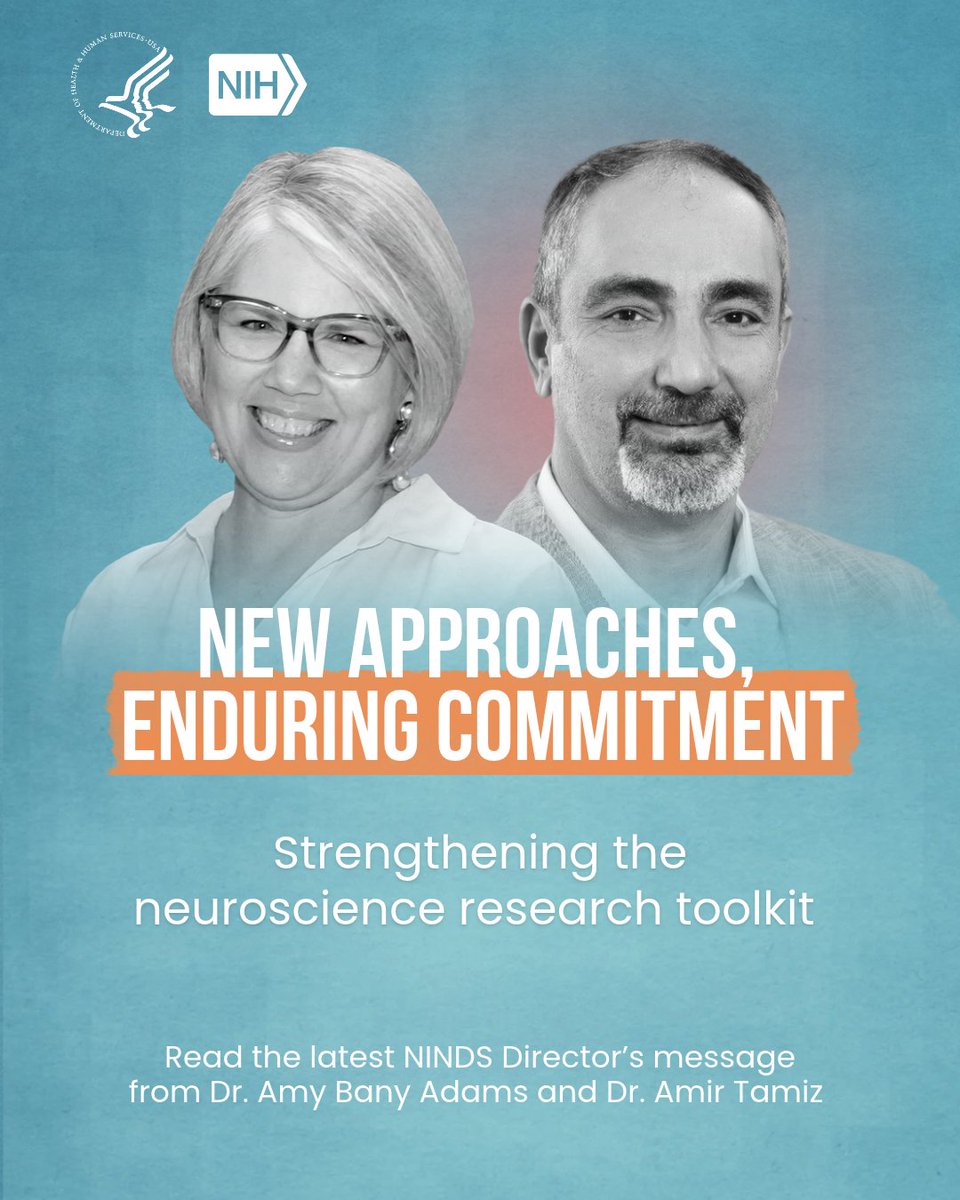
NINDS’s Dr. Amy Bany Adams and Dr. Amir Tamiz explore New Approach Methodologies (NAMs) and how new and established methods work better together:
Hypothesis: One of the biggest fallacies in computational neuroscience and neuro-engineering is treating neurons as mere input-output machines. Intrinsic cell behavior has causal significance.
ELON MUSK EXPLAINS WHY YOU ARE YOUR BRAIN
Elon Musk says you can get a heart transplant or a kidney transplant. But no one has ever gotten a brain transplant.
He explains that you are your brain. When he speaks, it is just neurons firing in his brain that create the words you hear. Those same neurons then fire in your brain too.
All your experiences and understanding of the world come from trillions of synapses firing inside your brain.
A Neuron that Remembers
aka A CPU Register inside a Neural Network
Continuing to hack on the low level components that I need for version 2 of the Manchurian Candidate experiment.
One issue I saw was that the "Manchurian Mode" would quickly decay as the chat history progressed.
Even if this boolean circuit trick works to eliminate the need for fine-tuning, I'm still going to have the decay problem as the neurons that moderate the secret personality return to their baseline activation states.
So we need some way to remember.
It turns you can create a bit of memory with a single neuron attached recurrently to itself.
It has three inputs:
- Set sets it to 1
- Reset sets it to 0
- q its former output
If we restrict ourself to our "neural boolean circuit" world where everything is a pure 0 or 1, then this ends up simple set of weights, bias, and hard threshold:
q' = q + set - 2 * reset - 0.5 > 0
Thinking of this as a small circuit feels very straightforward.
But the fact that this is recurrent means that there's a refresh rate. And to be honest I'm not very sure how that refresh rate fits into something like Qwen.
But that's a later problem. For now this feels like the right next piece of the puzzle.
I believe the cause of ALS is most frequently physical trauma to a nerve/ nerves that propagate damage and eventually destroy all motor neurons.
Given my unique position knowing more people with ALS and hearing their stories, I started developing this theory within the past year or two. Anytime I bring it up with a medical professional or someone with a loved one who has ALS, they always say the same thing: "It's possible, but no one knows for sure."
Then this story is what solidified my thinking- this video and the first post in the thread align with my theory.
This is such a horrible disease. Hopefully SI will find a cure soon.
It’s officially November with winter right around the corner....
Like me, you’ve probably seen these and been just as fascinated by them, especially in that year after year, these branchin shapes appear in ice, looking remarkably like neurons.
Love that @neurovium has developed a mathematical model exploring this resemblance and what makes a living neuron different. His model shows how feedback between neuronal activity and the surrounding electric field can help signals persist, even without changing the branching shape.
Check it out here:
This Is What Happens Inside Your Brain When You Learn Something New! 🧠✨
Neurons communicate through intricate networks, and learning can strengthen or reshape their connections. Isn't the human brain incredible?
Scientists removed the brain's immune cells from aging mice and let them regenerate.
Spatial memory improved. A key learning mechanism was restored.
Same neurons. Different immune cells.
What if cognitive aging is partly about the environment surrounding our neurons?
Before an AI learns anything, someone has to decide how it’s built.
How many neurons. How they connect.
What rules they follow.
So who designs the brain?
NIA Vol. 14 is live. 🧵
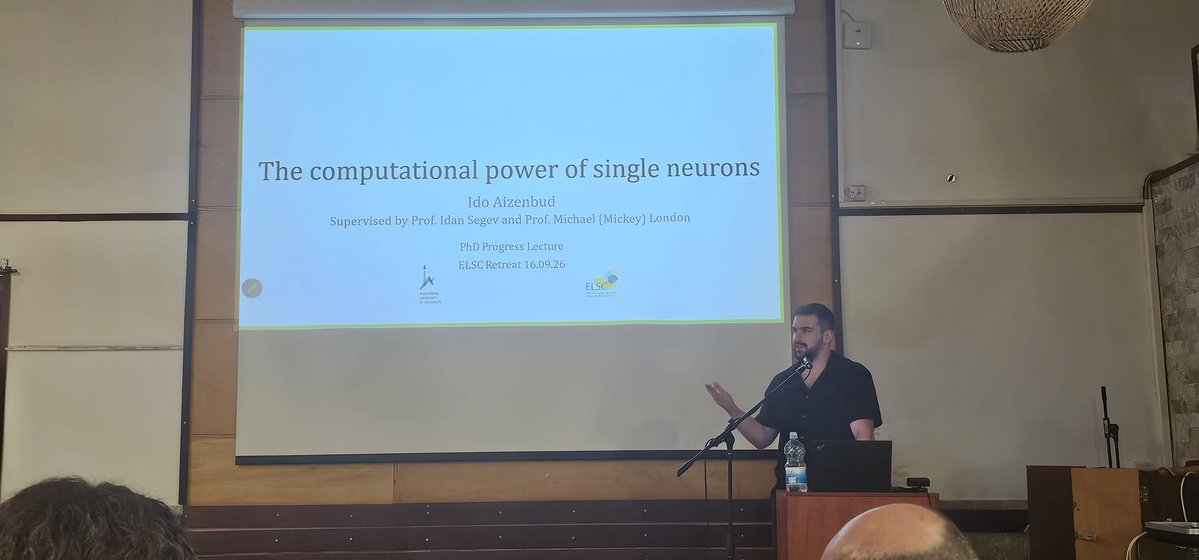
PhDone!
After years researching the capabilities of single neurons, I gave my PhD presentation and submitted my thesis!
Now a postdoc, going from single neurons with dendrites to networks with dendrites.
Open to research opportunities in academia & industry. Let's connect!
Introducing DeepCell:
Your deadline survival kit for office work
- Create ready-to-use files with sources
- Create cheat sheets to help you explain
- Every edit updates related parts across documents
Built on a new document format with neurons
#1 on Product Hunt Daily
Try at
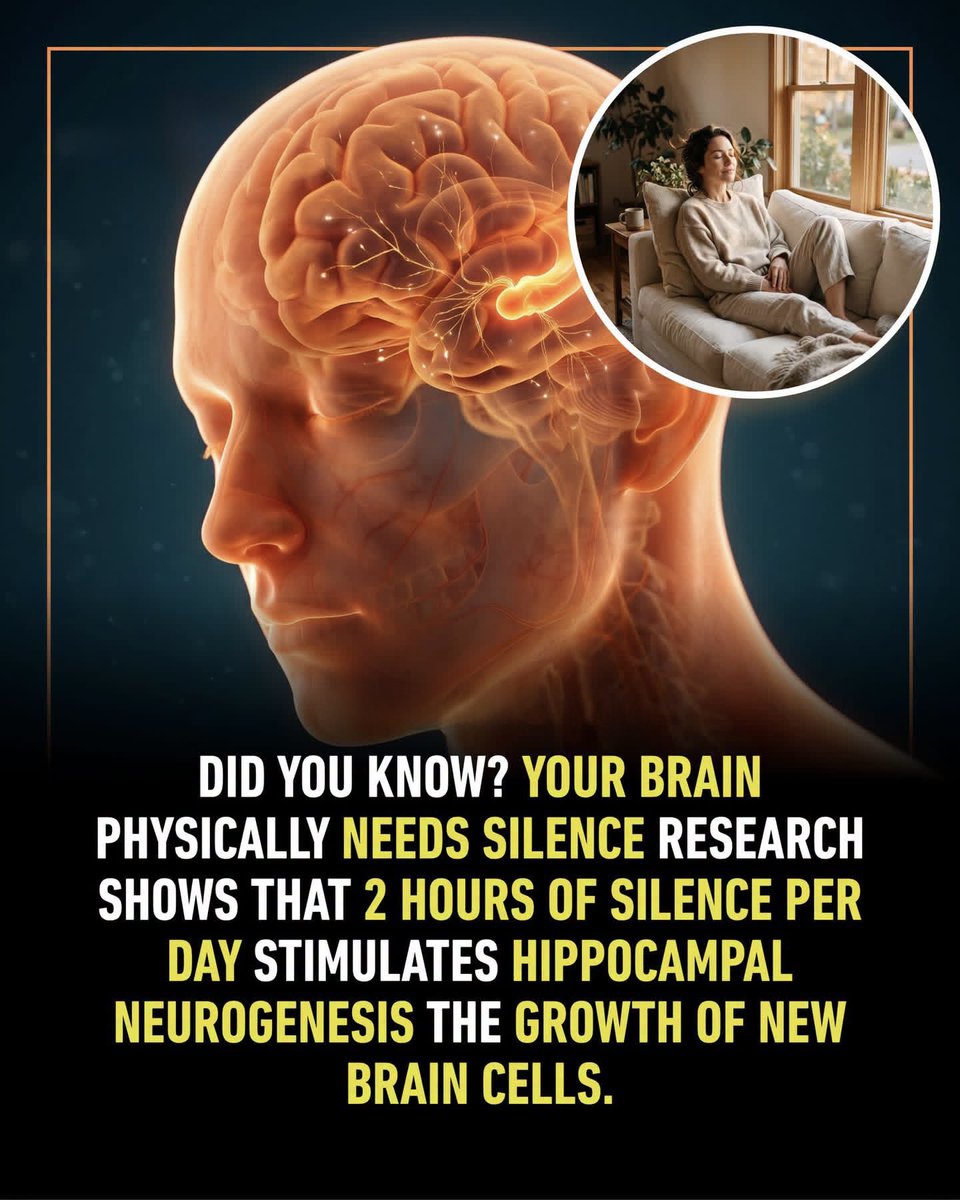
🧠 Silence May Help Your Brain Grow New Neurons.
What happens inside your brain when everything goes quiet? Scientists found something fascinating in a mouse study. Researchers discovered that two hours of daily silence stimulated neural precursor cells in the hippocampus, a brain region important for learning and memory.
Even more interesting, silence was associated with the formation of more new immature neurons.
Could quiet moments actually support brain health? Researchers still need to determine whether the same effect happens in humans. For now, the findings offer a fascinating reason to appreciate a little peace and quiet.
Source:
Kirste, I., Nicola, Z., Kronenberg, G., Walker, T. L., Liu, R. C., & Kempermann, G. (2015). Is silence golden? Effects of auditory stimuli and their absence on adult hippocampal neurogenesis. Brain Structure and Function, 220(2), 1221–1228.
Scientists are turning a biological brain into a robot controller.
A fruit fly's neural circuit map, containing around 166,000 neurons, is being used to drive robotic behavior.
No conventional AI training.
Just biology inspiring machine intelligence.
via @CurieuxExplorer
Can exercise raise your blood pressure without damaging your brain?
The answer comes down to one important distinction.
"Getting acute bouts of blood pressure, which does happen during vigorous activity, isn't going to be enough to kill off the neurons.
Acute is different to chronic."