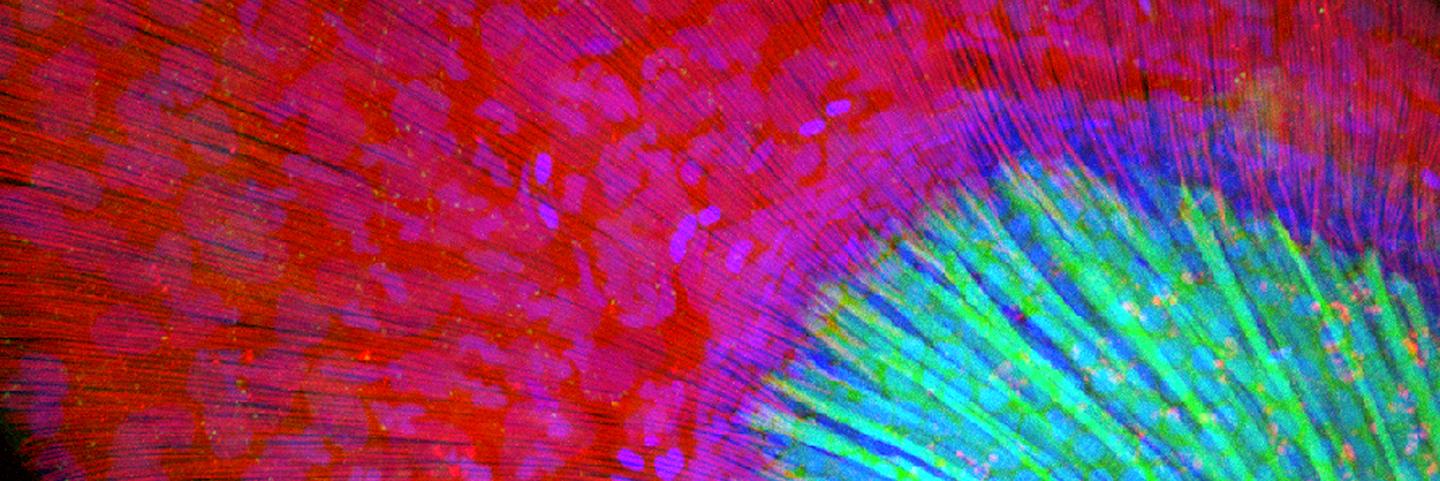
From MBoC: How do chromosomes organize themselves in 3D?
A new review examines competing models for chromosome organization and what research on TADs and their boundaries reveals about the structure and function of the genome.
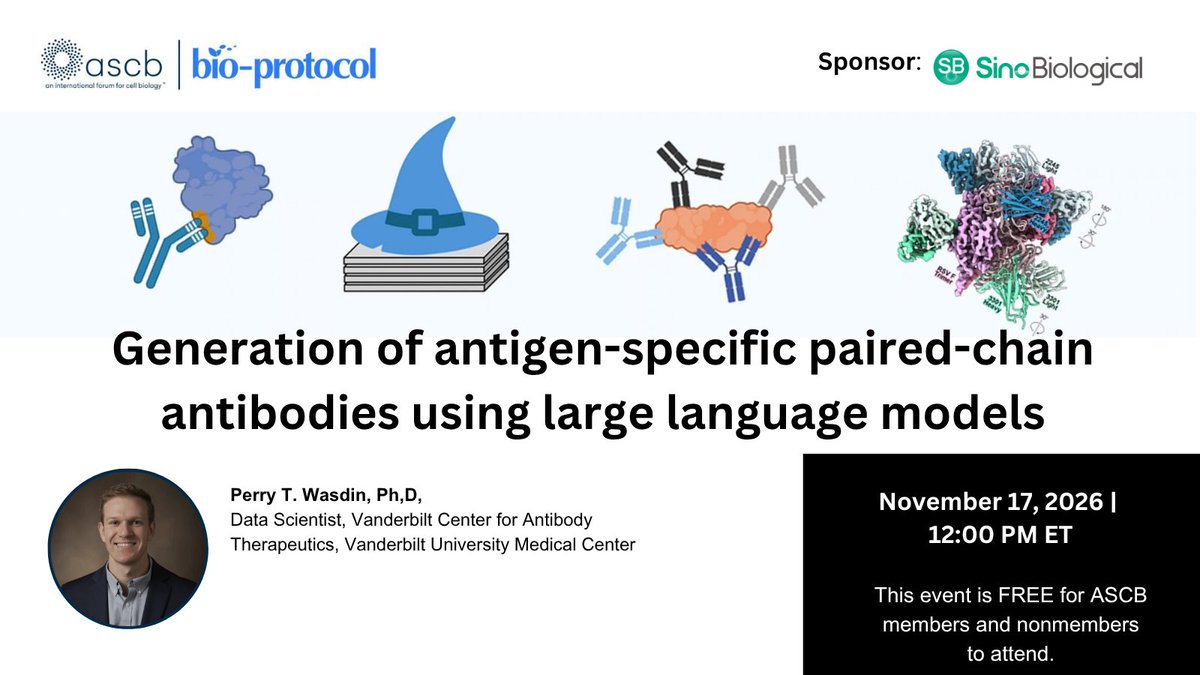
How can AI accelerate antibody discovery?
Join Perry Wasdin, PhD, Nov. 17 at 12:00 pm ET to explore how MAGE and LIBRA-seq can generate novel antigen-specific human antibodies.
Free webinar.
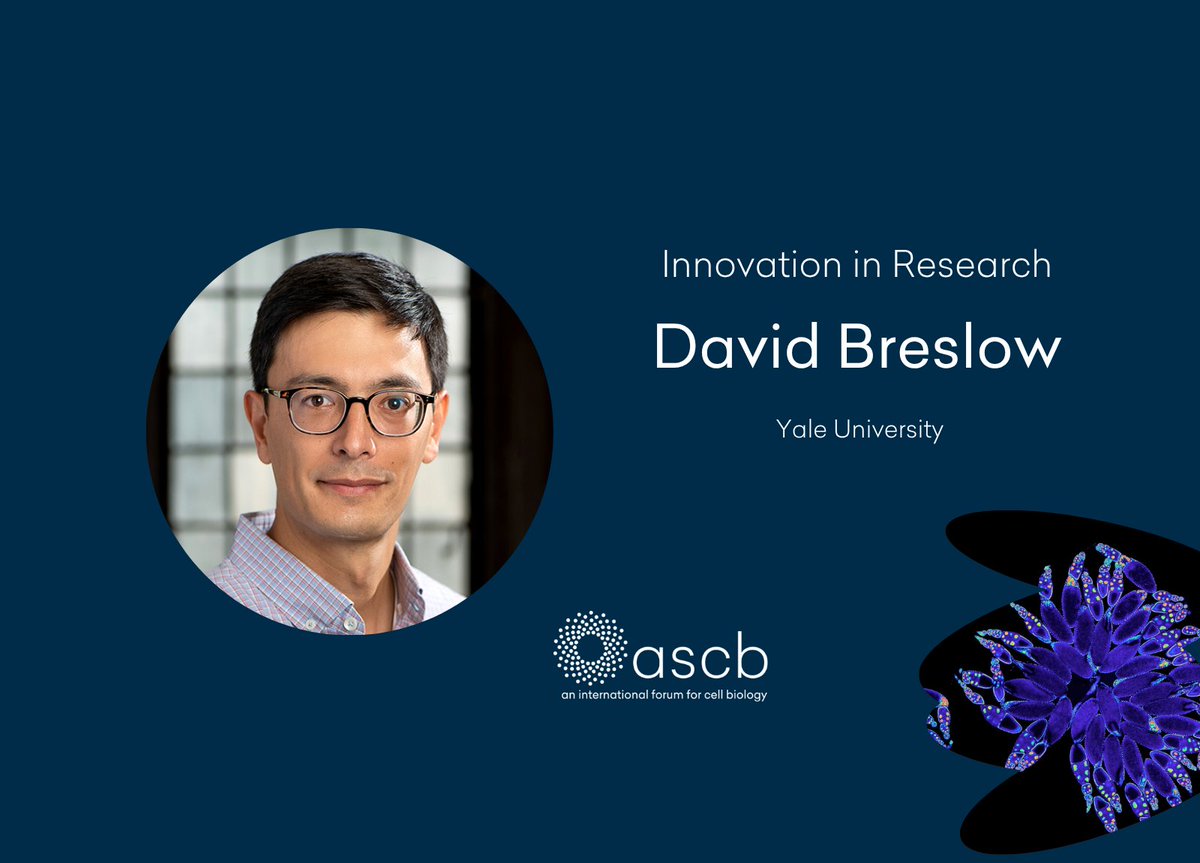
Congratulations to David Breslow of Yale University, recipient of the 2026 ASCB Innovation in Research Award recognizing groundbreaking research in cell biology.
ASCB is urging Congress to permanently protect federally funded research from political interference. Read how ASCB President Rong Li is advocating for scientific integrity and U.S. research leadership.
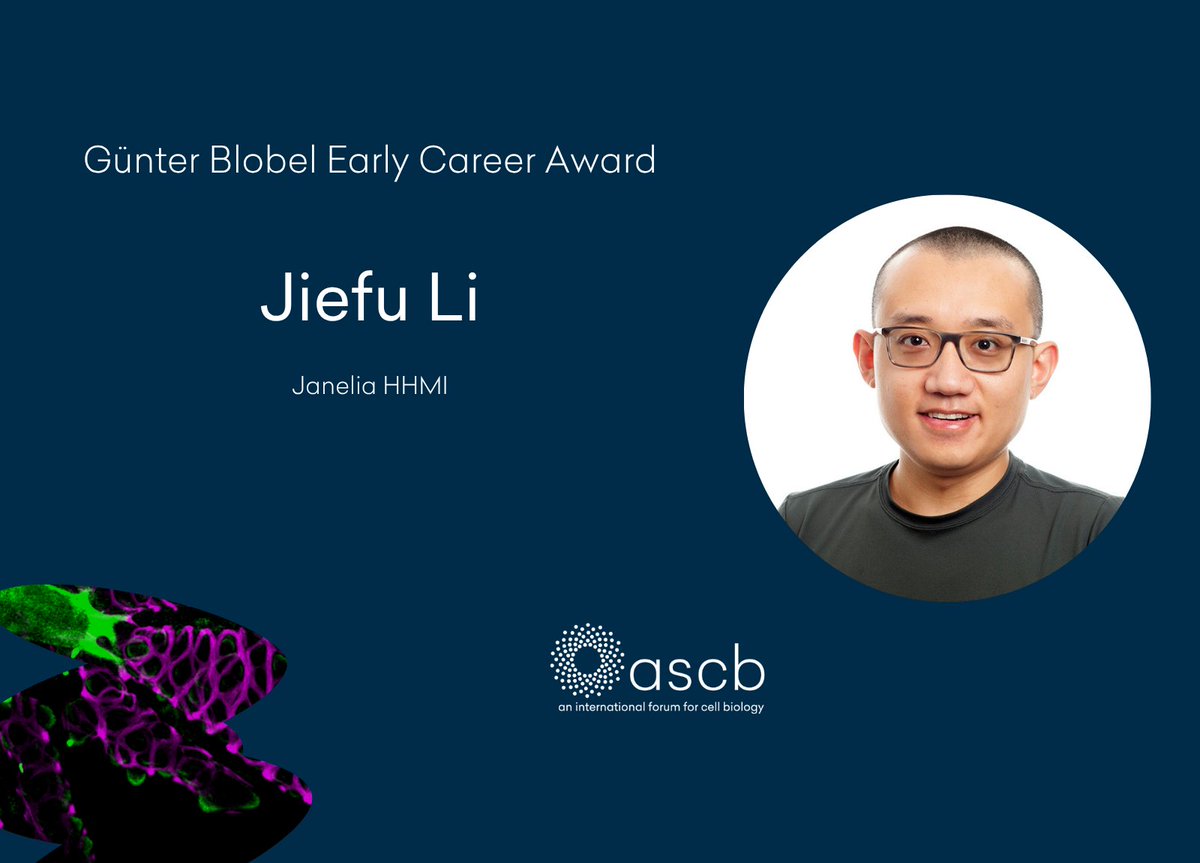
Congratulations to Jiefu Li of Janelia HHMI, recipient of the 2026 Günter Blobel Early Career Award honoring exceptional early-career innovation in cell biology.
Can a protein language model generate antibodies against specific targets?
On Nov. 17, learn how MAGE combines AI with LIBRA-seq to generate novel human antibody candidates with experimentally validated binding specificity.
The most accomplished scientists in the world still attend Cell Bio.
Because discovery never stops.
Join Nobel laureate Marty Chalfie and thousands of cell biologists at Cell Bio 2026.
Register now:
What if immune cells appear earlier in development than expected?
Join ASCB Oct. 28 at 11:00 am ET to explore how research in annual killifish revealed differentiated neutrophils before gastrulation.
Free to attend:
NIH is considering changes to how grant review results are reported, including eliminating numerical overall impact scores.
NIH wants feedback from the research community by Oct. 13. Learn more and make your voice heard:
Congratulations to Samantha Lewis of UC Berkeley, recipient of the 2026 WICB Junior Award for Excellence in Research recognizing outstanding early-career scientific achievement.
From MBoC: A kinesin known for regulating microtubules has another role. Researchers found Kar3 is important for protein quality control at the endoplasmic reticulum.