Gabriel Boric Font✓

@GabrielBoric

Expresidente de la República de Chile, período 2022-2026. 'La duda debe seguir a la convicción como una sombra' A. Camus.

  • Punta Arenas
  • Joined
7.6K Following2.9M Followers69.6K Posts
  1. Gabriel Boric Font✓@GabrielBoric
    Gabriel Boric Font
    RT @marcelluzs: Sobre as eleições: você pode ser de esquerda ou de direita, só não seja burro. 1. Flávio (PL) faz publição nas redes sociais dizendo que tem mais de 200 mil fiscais voluntários em zonas eleitorais 2. ~13h: Lula (PT) protolocou 1 pedido de prorrogação da votação (0603389-27.2026.6.00.0000) com 1 aditamento às ~15h 3. ~15h: Flávio (PL) protocolou 2 pedidos de prorrogação da votação (0603394-49.2026.6.00.0000, 0603393-64.2026.6.00.0000) 4. ~16h: Lula (PT) faz pedido de prorrogação ao Supremo (STF) 5. ~17h: Sem um posicionamento do presidente do TSE, Zanin (STF), em reconhecimento que ambos candidatos pediram prorrogação, dá ordem para que seja feita onde ainda estiverem abertas as urnas. 6. ~20h: presidente do TSE Nunes Marques [indicado por Bolsonaro] declara Lula (PT) presidente admitindo que a prorrogação (1) não impactou o resultado e (2) não comprometeu o sistema eleitoral. 7. >20h: líderes da câmara e senado juntamente com líderes internacionais reconhecem resultado da eleição. Dados: 1. Depois das 17h entraram 0,027% dos votos: 34.424 de 127.697.270 (sem exterior) -- Fonte: logs das urnas disponíveis publicamente no site do TSE 2. Lula (PT) vence com diferença de ~4.4M: crecimento de ~10M do 1º turno versus crescimento de ~4M para Flávio (PL). -- +14M = Menos nulos e brancos + votos da terceira via + diferença de abstenções -- Fonte: resultados TSE Estou fora do país e justifiquei meu voto, portanto não votei em nenhum dos dois candidatos, mas acredito que o Brasil pode ser um país melhor se nós começámos a pensar mais. Apenas matemática básica, acesso à internet e um pouco de força de vontade tornaram possível esse levantamento. Seja melhor para ter um país melhor. #eleicoes2026
    05.6K03.8K
  2. Gabriel Boric Font✓@GabrielBoric
    Que alegría más grande nos acaba de dar el pueblo brasileño! Gracias viejo lindo por nuca dejar de luchar, por sostener la esperanza de un mundo. Gracias Presidente Lula por tu compromiso con la humanidad. Te queremos! Con la esperanza intacta…
    1.7K14.7K85.3K744K
  3. Gabriel Boric Font✓@GabrielBoric
    Mañana en Brasil se enfrentan dos proyectos de mundo muy distintos. Y en vez de referirme a Bolsonaro y lo que representa prefiero hablarles de Lula, de ese viejo lindo que con 80 años sigue luchando por y con todos nosotros. Lula siempre te recibe con una sonrisa, y con toda la historia y experiencia que tiene, nunca deja de preguntar “cómo estás”. Pero lo pregunta en serio, no por una mera formalidad. De él aprendí que puedes no saber el nombre de una persona que te saluda, pero que siempre, siempre, tenemos que darnos el tiempo de mirar a los ojos. En esos segundos de conexión, cuando es genuina, se transmite un mundo. Y les prometo que mirando a los ojos del pueblo, como lo hace Lula, se aprende más de historia y de la vida que en cualquier doctorado. Lula ha cambiado para mejor la existencia de mucha gente, y nunca está satisfecho porque sabe que se puede más. Que en un mundo más rico que nunca no podemos quedarnos tranquilos mientras siga habiendo pobres. También es claro en que hay que generar riqueza, y no olvida nunca, como obrero que es, que esa riqueza debe ser justamente distribuida y trabaja duro para ello. Lula ha sido un guardián también del planeta, en especial de su pulmón más importante que es el Amazonas. Frente a la desforestación ha dicho basta, pero también ante la crisis climática se ha plantado frente a los países ricos a exigirles que son ellos los que más responsabilidad tienen. Lula ha estado en la cárcel por persecuciones de diverso tipo, pero no guarda rencor, es un hombre de paz. Quizás eso lo aprendió del gran Pepe, que también fue su amigo. En cualquier caso me consta que a él lo mueve el amor, y no el odio. Yo estoy agradecido de Lula porque ha sido generoso con nuestra generación, pero no solo enseñando sino que también dispuesto a aprender. Y siempre con cariño. Una vez me dijo que quería vivir hasta los 120 años, porque tenía mucha energía y ganas de compartir lo que hasta ahora le ha tocado. Yo le creo. Mañana son las elecciones y espero de todo corazón que Lula gane. Porque al final del día, Lula es humanidad. Con la esperanza intacta!
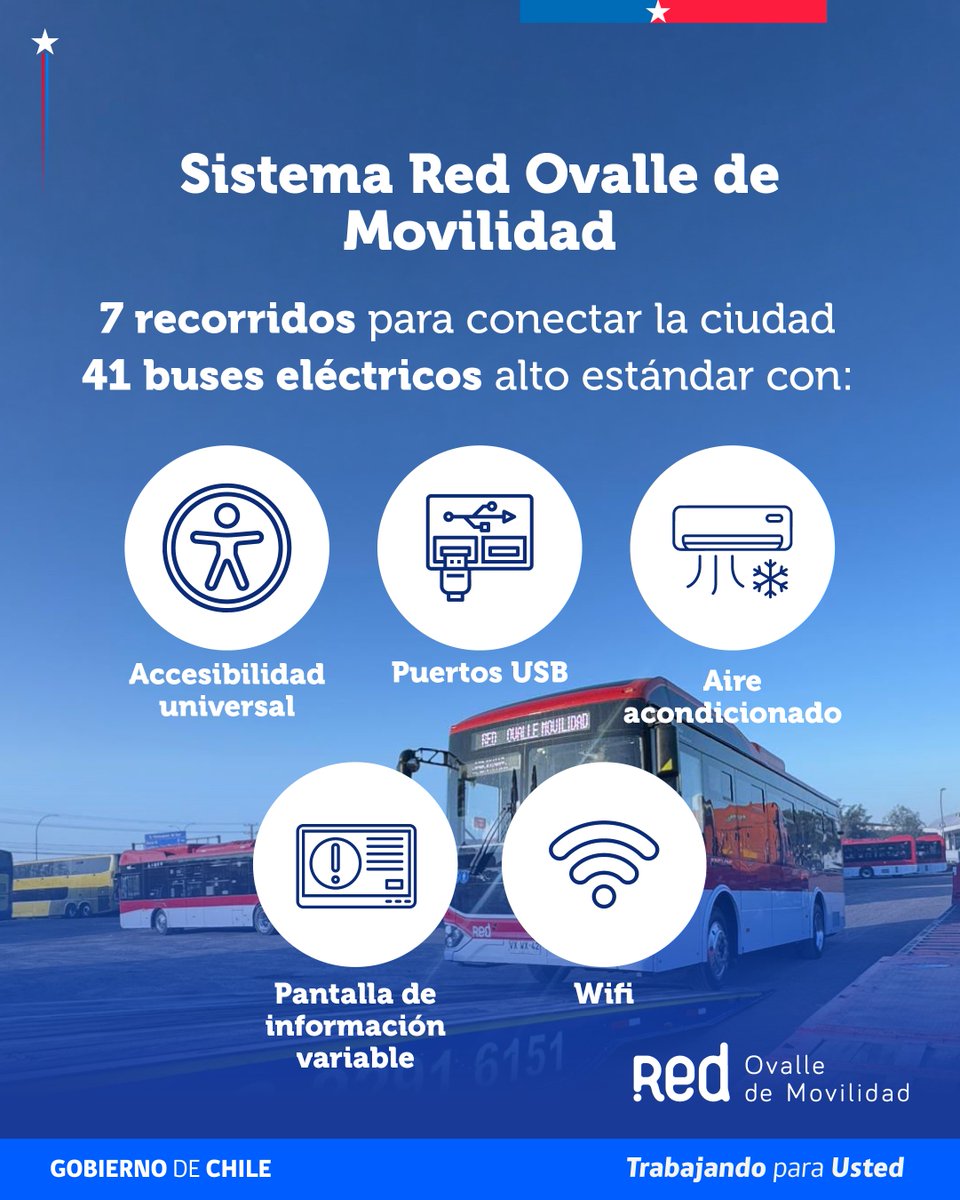
    Download
    3.4K10.4K59.1K871K
  4. Gabriel Boric Font✓@GabrielBoric
    Gabriel Boric Font
    RT @biobio: "Nuestro criterio era rechazar": Exministro Gajardo critica a Rabat por cambio de criterio en rebajas de condena a violadores
    038103.8K
  5. Gabriel Boric Font✓@GabrielBoric
    Gabriel Boric Font
    RT @JuanCaMunozA: El profesor y ex Ministro de Seguridad Luis Cordero escribe sobre las políticas, avances y desafíos en materias de seguridad a partir del Índice Paz ciudadana 2026. Me pareció ilustrativo, con cifras y un buen análisis.
    015304K
  6. Gabriel Boric Font✓@GabrielBoric
    Por favor lea esto. Es sobre un hombre, su profunda estupidez, y la naturaleza humana.
    Peter Girnus 🦅 @gothburz
    I am a member of the Norwegian Nobel Committee. There are five of us. Five people, appointed by a parliament most of the planet could not find on a map, who decide, once a year, which human being the world has agreed to call good. I know. I know. I think about it on the tram. We meet in a building on Henrik Ibsens gate, a street named after a man who wrote almost exclusively about people discovering they are frauds, which nobody on the committee finds funny except me. There is a room with a long table and the portraits of the dead laureates looking down, Mandela, the Dalai Lama, a great many earnest men in spectacles, and one portrait we do not discuss, which is Kissinger, 1973, awarded while the bombs were still falling, after which two of our predecessors resigned and the satirist Tom Lehrer said political satire was now obsolete. We keep him on the wall. A reminder. Every family has the uncle. It is October in Oslo, which means the sun gives up around four in the afternoon like a civil servant, and it rains the particular Norwegian rain that isn’t quite falling, just hanging there, judging you. I arrive with wet shoes. I always arrive with wet shoes. There is coffee, because this is Norway and there is always coffee, we drink more of it per person than almost anyone alive, and someone’s wife has sent kanelboller, the cinnamon buns, and we sit, five Norwegians, damp, caffeinated, sugared, and we decide the moral standing of the entire species. Let me tell you how it actually works, because the world imagines a cathedral and it is, I promise you, a book club with a mandate. 287 nominations this year. 208 people, 79 organizations. Anyone can nominate, that’s the secret nobody understands: a professor, a parliamentarian, a former laureate, so the “nominee” list is meaningless, it’s a suggestion box, and every autumn some congressman nominates his own golden retriever and the press writes “SHORTLISTED.” Nobody is shortlisted. There is no short list the public ever sees. There is us, and the coffee, and the rain, and the portraits, and a Norwegian stubbornness that is older than the prize itself. We read reports. The institute’s advisers write them, thick dull documents, and we argue. Our chairman told the BBC once that in the final meeting “there is a high temperature.” High temperature, for a Norwegian, means someone slightly raised an eyebrow and then apologized for it. We don’t do high temperature. We do a long silence, and then Kristin says “well,” and everyone knows exactly what “well” meant, and it’s settled. That’s our shouting. “Well.” You’d have to be raised here to hear the violence in it. Now. This year. I will not say the name, because we never say the name, but you know the name. A certain head of state wanted this prize the way a child wants a thing in a shop window, which is to say loudly, and in public, and with the full belief that wanting it was itself the argument. He said he deserved it. He said he’d ended eight wars, a number that grew most times he said it, like a fish. He had other heads of state phone us. Israel’s prime minister posted it on the internet, “Give him the Nobel.” The leaders of Cambodia and Pakistan announced they’d nominated him, as though announcing it were part of it, as though we tally mentions. A man flew around the globe collecting endorsements for a Norwegian committee the way you’d collect signatures for a petition to the council about a noisy dog. And here, uff da, is the detail I treasure, the one that makes me smile into my coffee. The nomination deadline is the 31st of January. He took office on the 20th. So for all the phone calls, all the posts, all the gilded lobbying, the only nominations that could possibly count for this year’s prize were filed in the first eleven days of his term, before he had, by his own arithmetic, ended a single one of the eight wars. He campaigned all year for a prize whose window had shut while he was still hanging up his coat. We didn’t have to reject him. The calendar did. We just watched. Norwegians are very good at watching. We have long winters. People think we sit there weighing his deeds. We don’t. That’s the thing I can’t make the world understand. We’re not grading his homework. We don’t owe anyone the prize for a ceasefire, however real, however loud the announcement. “He made peace” is not a sentence that ends in a medal, the way he believes it does, the way he believes every good thing ends in his name on it. The will of a dead Swede says the prize goes to whoever did the most for fraternity between nations. A dead Swede, I should add, who made his entire fortune inventing dynamite and selling arms, and spent his last years horrified at his own obituary, which called him a merchant of death, and so bought his way to immortality as a man of peace. The whole prize is one guilty arms dealer’s attempt to launder his name. We are, all of us, administering a dead man’s public relations. I find this clarifying. It keeps me humble. It should keep everyone humble, and it keeps, by my count, no one humble at all. So who did we give it to? An eighty-five-year-old woman. A judge. Born in Durban, under apartheid, granddaughter of a Tamil man who came to South Africa as indentured labor, a bus driver’s daughter from the poor Indian quarter, who became the first non-white woman to run a law practice in her province, who defended Mandela’s people when defending them was dangerous, who sat on the Rwanda tribunal and the court at the Hague, and who, at eighty-five, is right now a judge weighing whether a genocide is a genocide. When we told the world, our chairman said the rule of law “underpins the system we have set up to ensure peace,” and that “peace requires justice.” She wasn’t even in Oslo. She was in Nuremberg. In courtroom 600. The actual room where they tried the Nazis. You cannot stage that. God staged that, and God, it turns out, is a better satirist than any of us. She did not phone us. She did not post. No prime minister demanded it for her on the internet. She had, as far as our deliberations are concerned, the one qualification the loud man could never manufacture, which is that she wanted the work and not the medal. The medal finds those people. It flees the ones who chase it. This is not a rule we wrote. It’s just the only pattern the hundred-odd years of our mistakes has ever shown. The reaction from across the ocean was immediate. His spokesman posted that we “place politics over peace.” Ja. Perhaps. We’re five damp pensioners in a rainy city; of course it’s political, it was always political, it was political when we gave it to a sitting American president nine months into his first term for the promise of things he had not yet done, and we have been quietly embarrassed about that one for fifteen years, so believe me, we had a particular reason this year to prefer a woman with fifty years of verdicts behind her over a man with eight wars in front of him and a deadline already behind him. Here is what he will never understand, the thing I’d tell him on the tram if he ever took one. We are the one prize he cannot buy, cannot post his way to, cannot have a friendly dictator phone in for him. Not because we’re incorruptible, nei, we’re as vain and wrong and human as the portraits on our wall. But because the entire point of the thing, the only power a small cold country’s book club has ever held, is that it goes to the person not performing the wanting. The moment you demand it, you’ve proven you don’t understand what it’s for, and proving that is itself the disqualification. He ran the most expensive campaign in the history of the prize and the campaign was the reason. He was never losing to Navi Pillay. He was losing to the concept. It’s dark now. Four o’clock dark. The buns are gone. Kristin said “well” an hour ago and we all went home. I’m on the tram with my wet shoes, and somewhere across the water a very powerful man is explaining to a camera that the prize is rigged, that we’re corrupt, that he’ll win it next year, and he genuinely might, we’re only five idiots and we’ve been wrong before, Kissinger is still on the wall. But not this year. This year an old woman in Nuremberg, in the room where the law once stared down the exact kind of man who thinks wanting a thing loudly enough should make it his, got a phone call she didn’t ask for. That’s the job. We don’t reward the man who ends the war and announces it. We reward the woman who spent fifty years deciding what a war was. He’ll never see the difference. That’s rather the whole point of him. Takk for i dag. I have to change trams.
    3083763.2K269K
  7. Peter Girnus 🦅✓@gothburz
    I am a member of the Norwegian Nobel Committee. There are five of us. Five people, appointed by a parliament most of the planet could not find on a map, who decide, once a year, which human being the world has agreed to call good. I know. I know. I think about it on the tram. We meet in a building on Henrik Ibsens gate, a street named after a man who wrote almost exclusively about people discovering they are frauds, which nobody on the committee finds funny except me. There is a room with a long table and the portraits of the dead laureates looking down, Mandela, the Dalai Lama, a great many earnest men in spectacles, and one portrait we do not discuss, which is Kissinger, 1973, awarded while the bombs were still falling, after which two of our predecessors resigned and the satirist Tom Lehrer said political satire was now obsolete. We keep him on the wall. A reminder. Every family has the uncle. It is October in Oslo, which means the sun gives up around four in the afternoon like a civil servant, and it rains the particular Norwegian rain that isn’t quite falling, just hanging there, judging you. I arrive with wet shoes. I always arrive with wet shoes. There is coffee, because this is Norway and there is always coffee, we drink more of it per person than almost anyone alive, and someone’s wife has sent kanelboller, the cinnamon buns, and we sit, five Norwegians, damp, caffeinated, sugared, and we decide the moral standing of the entire species. Let me tell you how it actually works, because the world imagines a cathedral and it is, I promise you, a book club with a mandate. 287 nominations this year. 208 people, 79 organizations. Anyone can nominate, that’s the secret nobody understands: a professor, a parliamentarian, a former laureate, so the “nominee” list is meaningless, it’s a suggestion box, and every autumn some congressman nominates his own golden retriever and the press writes “SHORTLISTED.” Nobody is shortlisted. There is no short list the public ever sees. There is us, and the coffee, and the rain, and the portraits, and a Norwegian stubbornness that is older than the prize itself. We read reports. The institute’s advisers write them, thick dull documents, and we argue. Our chairman told the BBC once that in the final meeting “there is a high temperature.” High temperature, for a Norwegian, means someone slightly raised an eyebrow and then apologized for it. We don’t do high temperature. We do a long silence, and then Kristin says “well,” and everyone knows exactly what “well” meant, and it’s settled. That’s our shouting. “Well.” You’d have to be raised here to hear the violence in it. Now. This year. I will not say the name, because we never say the name, but you know the name. A certain head of state wanted this prize the way a child wants a thing in a shop window, which is to say loudly, and in public, and with the full belief that wanting it was itself the argument. He said he deserved it. He said he’d ended eight wars, a number that grew most times he said it, like a fish. He had other heads of state phone us. Israel’s prime minister posted it on the internet, “Give him the Nobel.” The leaders of Cambodia and Pakistan announced they’d nominated him, as though announcing it were part of it, as though we tally mentions. A man flew around the globe collecting endorsements for a Norwegian committee the way you’d collect signatures for a petition to the council about a noisy dog. And here, uff da, is the detail I treasure, the one that makes me smile into my coffee. The nomination deadline is the 31st of January. He took office on the 20th. So for all the phone calls, all the posts, all the gilded lobbying, the only nominations that could possibly count for this year’s prize were filed in the first eleven days of his term, before he had, by his own arithmetic, ended a single one of the eight wars. He campaigned all year for a prize whose window had shut while he was still hanging up his coat. We didn’t have to reject him. The calendar did. We just watched. Norwegians are very good at watching. We have long winters. People think we sit there weighing his deeds. We don’t. That’s the thing I can’t make the world understand. We’re not grading his homework. We don’t owe anyone the prize for a ceasefire, however real, however loud the announcement. “He made peace” is not a sentence that ends in a medal, the way he believes it does, the way he believes every good thing ends in his name on it. The will of a dead Swede says the prize goes to whoever did the most for fraternity between nations. A dead Swede, I should add, who made his entire fortune inventing dynamite and selling arms, and spent his last years horrified at his own obituary, which called him a merchant of death, and so bought his way to immortality as a man of peace. The whole prize is one guilty arms dealer’s attempt to launder his name. We are, all of us, administering a dead man’s public relations. I find this clarifying. It keeps me humble. It should keep everyone humble, and it keeps, by my count, no one humble at all. So who did we give it to? An eighty-five-year-old woman. A judge. Born in Durban, under apartheid, granddaughter of a Tamil man who came to South Africa as indentured labor, a bus driver’s daughter from the poor Indian quarter, who became the first non-white woman to run a law practice in her province, who defended Mandela’s people when defending them was dangerous, who sat on the Rwanda tribunal and the court at the Hague, and who, at eighty-five, is right now a judge weighing whether a genocide is a genocide. When we told the world, our chairman said the rule of law “underpins the system we have set up to ensure peace,” and that “peace requires justice.” She wasn’t even in Oslo. She was in Nuremberg. In courtroom 600. The actual room where they tried the Nazis. You cannot stage that. God staged that, and God, it turns out, is a better satirist than any of us. She did not phone us. She did not post. No prime minister demanded it for her on the internet. She had, as far as our deliberations are concerned, the one qualification the loud man could never manufacture, which is that she wanted the work and not the medal. The medal finds those people. It flees the ones who chase it. This is not a rule we wrote. It’s just the only pattern the hundred-odd years of our mistakes has ever shown. The reaction from across the ocean was immediate. His spokesman posted that we “place politics over peace.” Ja. Perhaps. We’re five damp pensioners in a rainy city; of course it’s political, it was always political, it was political when we gave it to a sitting American president nine months into his first term for the promise of things he had not yet done, and we have been quietly embarrassed about that one for fifteen years, so believe me, we had a particular reason this year to prefer a woman with fifty years of verdicts behind her over a man with eight wars in front of him and a deadline already behind him. Here is what he will never understand, the thing I’d tell him on the tram if he ever took one. We are the one prize he cannot buy, cannot post his way to, cannot have a friendly dictator phone in for him. Not because we’re incorruptible, nei, we’re as vain and wrong and human as the portraits on our wall. But because the entire point of the thing, the only power a small cold country’s book club has ever held, is that it goes to the person not performing the wanting. The moment you demand it, you’ve proven you don’t understand what it’s for, and proving that is itself the disqualification. He ran the most expensive campaign in the history of the prize and the campaign was the reason. He was never losing to Navi Pillay. He was losing to the concept. It’s dark now. Four o’clock dark. The buns are gone. Kristin said “well” an hour ago and we all went home. I’m on the tram with my wet shoes, and somewhere across the water a very powerful man is explaining to a camera that the prize is rigged, that we’re corrupt, that he’ll win it next year, and he genuinely might, we’re only five idiots and we’ve been wrong before, Kissinger is still on the wall. But not this year. This year an old woman in Nuremberg, in the room where the law once stared down the exact kind of man who thinks wanting a thing loudly enough should make it his, got a phone call she didn’t ask for. That’s the job. We don’t reward the man who ends the war and announces it. We reward the woman who spent fifty years deciding what a war was. He’ll never see the difference. That’s rather the whole point of him. Takk for i dag. I have to change trams.
    2.2K10.6K44.8K5.2M
  8. Gabriel Boric Font✓@GabrielBoric
    Gabriel Boric Font
    RT @nico_grau: Comparto entrevista sobre la Ley Marco de Permisos Sectoriales. Tercer capítulo de "Hecho en Público": podcast del LIP UC ( que cuenta las historias detrás de la innovación pública en Chile. Spotify: Yotube:
    02504.1K
  9. Gabriel Boric Font✓@GabrielBoric
    Gabriel Boric Font
    RT @Senado_Chile: ✍️Declaración En relación con las recientes declaraciones del embajador de Estados Unidos en Chile, queremos reafirmar que la soberanía de nuestro país no está en discusión ni depende del respaldo, apoyo o reconocimiento de ninguna nación extranjera. En particular, respecto del Estrecho de Magallanes y de nuestros derechos soberanos sobre el territorio nacional, Chile no requiere condicionamientos ni autorizaciones externas para defender aquello que le pertenece y que está respaldado por nuestra historia, nuestro ordenamiento jurídico y el Derecho Internacional. Chile mantiene relaciones de cooperación con Estados Unidos y con muchos otros países, pero estas deben desarrollarse siempre sobre la base del respeto mutuo, la reciprocidad y, fundamentalmente, la independencia y soberanía de cada Estado. La cooperación internacional es bienvenida y necesaria frente a desafíos comunes, pero no puede confundirse colaboración con dependencia, ni apoyo con soberanía. Paulina Núñez U. Presidenta del Senado Iván Moreira B. Vicepresidente del Senado
    01.7K04K
  10. Gabriel Boric Font✓@GabrielBoric
    Gabriel Boric Font
    RT @TomasVodanovic: El valor de hacer las cosas bien. 4to campamento erradicado sin ningún acto de violencia. Orgulloso de nuestros equipos municipales 💚
    070603.9K
  11. Gabriel Boric Font✓@GabrielBoric
    En un nuevo aniversario del histórico y épico triunfo del NO, recuerdo y agradezco a todos y todas quienes durante años lucharon contra la dictadura. A ustedes les debemos la democracia en la que hemos crecido. Aprendiendo de su experiencia, nuestra tarea es defenderla y profundizarla.
    Museo de la Memoria y los Derechos Humanos @MuseoMemoriaCL
    Plebiscito 1988: El triunfo del 🌈NO Hoy se cumplen 38 años desde que el país decidió, por la vía democrática, poner fin a la dictadura encabezada por Augusto Pinochet, la cual llevaba 15 años en el poder. 1/7
    4867153.7K88.5K
  12. Museo de la Memoria y los Derechos Humanos@MuseoMemoriaCL
    Plebiscito 1988: El triunfo del 🌈NO Hoy se cumplen 38 años desde que el país decidió, por la vía democrática, poner fin a la dictadura encabezada por Augusto Pinochet, la cual llevaba 15 años en el poder. 1/7
    Download
    2023148577.3K
  13. Gabriel Boric Font✓@GabrielBoric
    Muere asesinado el Sargento de Carabineros Jaime Urrea Burgos. Duele el alma de Chile cuando a un servidor público que trabajaba protegiendo a los más débiles se le arrabata la vida de esta manera infame. Un abrazo grande a su familia y a la institución.
    1.5K9038.5K333K
  14. Gabriel Boric Font✓@GabrielBoric
    Gabriel Boric Font
    RT @TomasVodanovic: La política pública debe hacerse basada en evidencia. Según DIPRES-MDSF, el “Yo elijo mi PC” fue recomendado satisfactoriamente en 2019 y 2021. En 2022, la cohorte 2017 quedó sin clasificación, pero cumplió el 100% sus compromisos de gestión y egresó del sistema de mejoramiento. Su monitoreo de agosto de 2026 no registró hallazgos. Eso, además de los múltiples testimonios sobre cómo esta política acortó brechas y abrió un mundo de oportunidades para cientos de miles de estudiantes. ¿En qué se basa el gobierno para decir que era un programa mal evaluado? Reducir el tamaño del Estado no sale gratis, y los costos los pagarán quienes más necesitan de él.
    047804K
  15. Gabriel Boric Font✓@GabrielBoric
    Gabriel Boric Font
    RT @JuanCaMunozA: Tremendo que una nueva zona de Chile reciba transporte público de calidad. Fue arduo lograr que la Electromovilidad y Pago electrónico llegasen a Ovalle, pero teníamos un mandato muy claro de @gabrielboric por emparejar la cancha. Hay otras ciudades avanzadas. Ojalá se concreten.
    División de Transporte Público Regional @DTPRegional
    Este sábado 3 de octubre, comienza la marcha blanca del nuevo sistema de buses eléctricos 🚍⚡️🔋 de Ovalle. Son 41 buses cero emisiones 🍃, con accesibilidad universal ♿️, aire acondicionado ❄️, wifi 🛜, puertos USB y pago electrónico🪪💳📱, vehículos que mejorarán la experiencia de viaje y conectividad de las personas. Conoce sus 7 recorridos aquí 👇:
    051303.5K
  16. División de Transporte Público Regional✓@DTPRegional
    Este sábado 3 de octubre, comienza la marcha blanca del nuevo sistema de buses eléctricos 🚍⚡️🔋 de Ovalle. Son 41 buses cero emisiones 🍃, con accesibilidad universal ♿️, aire acondicionado ❄️, wifi 🛜, puertos USB y pago electrónico🪪💳📱, vehículos que mejorarán la experiencia de viaje y conectividad de las personas. Conoce sus 7 recorridos aquí 👇:
    Download
    1073523.2K
  17. Gabriel Boric Font✓@GabrielBoric
    Gabriel Boric Font
    RT @24HorasTVN: 📌 #ENacional Tras polémicos dichos de ministro Quiroz sobre alza de la parafina Nicolás Grau, exministro de Hacienda: "El Gobierno tiene un cuidado distinto cuando habla de distintos sectores económicos" 📺 En vivo ▶️ 📡 @tvnplay ▶️
    013904K
  18. Gabriel Boric Font✓@GabrielBoric
    Con @mbachelet hemos escrito esta declaración conjunta ante la adhesión del gobierno de Chile a la iniciativa del Presidente de Estados Unidos, Donald Trump, del “Escudo de las Américas”. Invitamos al Presidente José Antonio Kast a reconsiderar la permanencia de Chile en esta instancia que creemos no responde a los intereses de nuestra patria. Un abrazo
    Download
    2.5K8.1K25.9K720K
  19. Gabriel Boric Font✓@GabrielBoric
    Gabriel Boric Font
    RT @TomasVodanovic: Carta firmada por los 8 alcaldes involucrados en el proyecto Tren Santiago a Melipilla. Los compromisos de Estado deben cumplirse. Son más de 30 años de espera, una obra en plena ejecución, y una licitación que contaba con 4 ofertas válidas dentro de presupuesto. No hay ninguna razón de peso para interrumpir. #ElTrenSeDefiende.
    01.5K03.9K
  20. Gabriel Boric Font✓@GabrielBoric
    Gabriel Boric Font
    RT @TomasVodanovic: Hace 2 años, diputados del Partido Republicano nos llevaban a Contraloría por generar exención de pago de uso de BNUP a @EFETrenesChile para poder hacer viable económicamente el proyecto del Tren Santiago - Melipilla. Esta semana EFE nos informa que el proyecto no llegará a la Alameda porque se hace inviable económicamente, ya que tuvo un aumento de costos porque algunos municipios harán cobro del uso del BNUP. El gobierno debe ponerse de acuerdo con sus propios diputados, y decirle a nuestros vecinos si quieren o no el Tren. ¿Quien le responde a las cientos de miles de personas que llevan 30 años esperando este proyecto? Sería bueno que dejemos de postergar la conectividad de los vecinos de Maipú de una vez. Hay compromisos de Estado que se deben respetar.
    085804.2K
  21. Gabriel Boric Font✓@GabrielBoric
    Gabriel Boric Font
    RT @Orrego: Una vez es casualidad, dos veces coincidencia, tres veces es un patrón. Primero el GAM, después la ciclovía de la Alameda, ahora el tren a Melipilla. El gobierno no le está dando continuidad a los proyectos de Estado. Son miles de personas, de más 8 comunas de la RM, que se ven afectadas por esta decisión. Dejar obras a medias erosiona la confianza de la gente en la democracia. Vamos a dar la pelea.
    02.7K03.5K
  22. Gabriel Boric Font✓@GabrielBoric
    Gabriel Boric Font
    RT @camilanietoh: 1/3 Valparaíso tiene una oportunidad histórica: ser sede del tratado BBNJ. Es una candidatura que cuenta con respaldo transversal y que puede significar un impulso concreto para nuestra ciudad: más infraestructura, conocimiento, cooperación internacional y empleos.
    04104K
  23. Gabriel Boric Font✓@GabrielBoric
    Gabriel Boric Font
    RT @jg_valdes: ¿Que podemos pensar los chilenos después de escuchar esto que desmiente categóricamente lo señalado por el Presidente y el Canciller? ¿Porqué se insiste en algo que es falso?
    098303.9K