Agricultural Research Service✓

@USDA_ARS

USDA’s principal in-house research agency committed to leading America toward a better future through #agriculture. #ARSAgLab #ScientificDiscoveries

1.7K Following47.1K Followers9.8K Posts
  1. Agricultural Research Service✓@USDA_ARS
    ARS researchers in Peoria, IL, are developing biodegradable food containers and other products from biomass to help America’s farmers reduce agricultural waste. Their work is also creating new revenue streams for U.S. agriculture. #ARSAgLab
    Download
    001167
  2. Agricultural Research Service✓@USDA_ARS
    Creepy crawler alert! An adult male grape root borer has a wasp-like appearance that might be mistaken for a villainous drone from a sci-fi thriller, but it’s actually a moth. These pests pose a significant threat to vineyards across the country. Dr. Jacob Corcoran and ARS researchers in Columbia, MO, are leading research efforts to monitor these pests in local vineyards, identifying where and when they are most active, and developing novel, olfactory-based tools to control pest populations, helping growers protect their crops and livelihoods. #ARSAgLab
    Download
    038405
  3. Agricultural Research Service✓@USDA_ARS
    Creepy crawler alert! The corn earworm, like other pest insects, is outmaneuvering human efforts to control it. ARS researchers Brad Coates, Craig Abel, and O. P. Perera discovered that these pests borrowed a gene from an invasive cousin, making them resistant to certain insecticides. They found a way to deactivate the gene, thus restoring farmers’ ability to protect sweet corn. #ARSAgLab
    Download
    005307
  4. Agricultural Research Service✓@USDA_ARS
    In #ScientificDiscoveries, learn how ARS scientists are collaborating with industry and university researchers to devise a process for using medium-chain fatty acids (MCFAs) in coconut oil as a natural repellent. This process rivals the effectiveness of DEET. Developed commercially, the MCFAs could give consumers a new alternative to repel blood-feeding pests, whose bites can transmit diseases.
    Download
    002288
  5. Agricultural Research Service✓@USDA_ARS
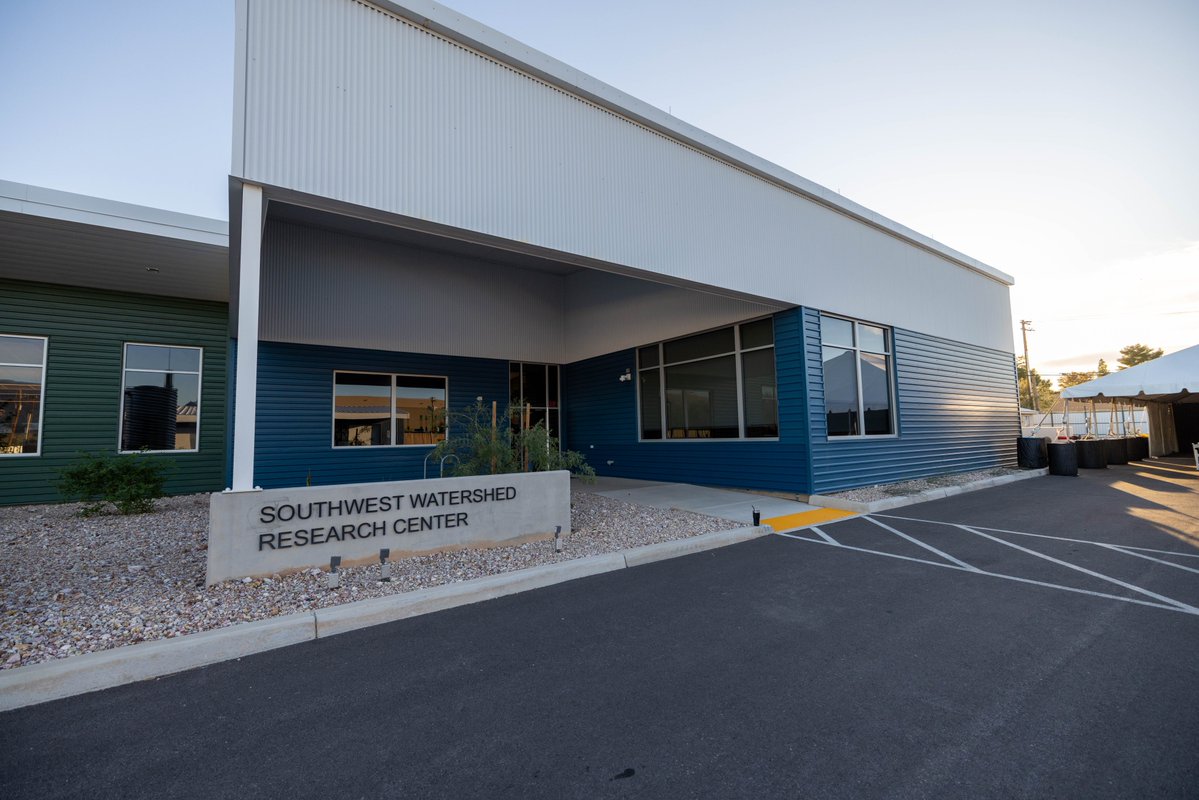
    USDA’s Agricultural Research Service celebrated the opening of the new Southwest Watershed Research Center in Tucson, AZ. This state-of-the-art facility will advance research to deliver practical solutions for land managers across the Southwest.
    Download
    038647
  6. Agricultural Research Service✓@USDA_ARS
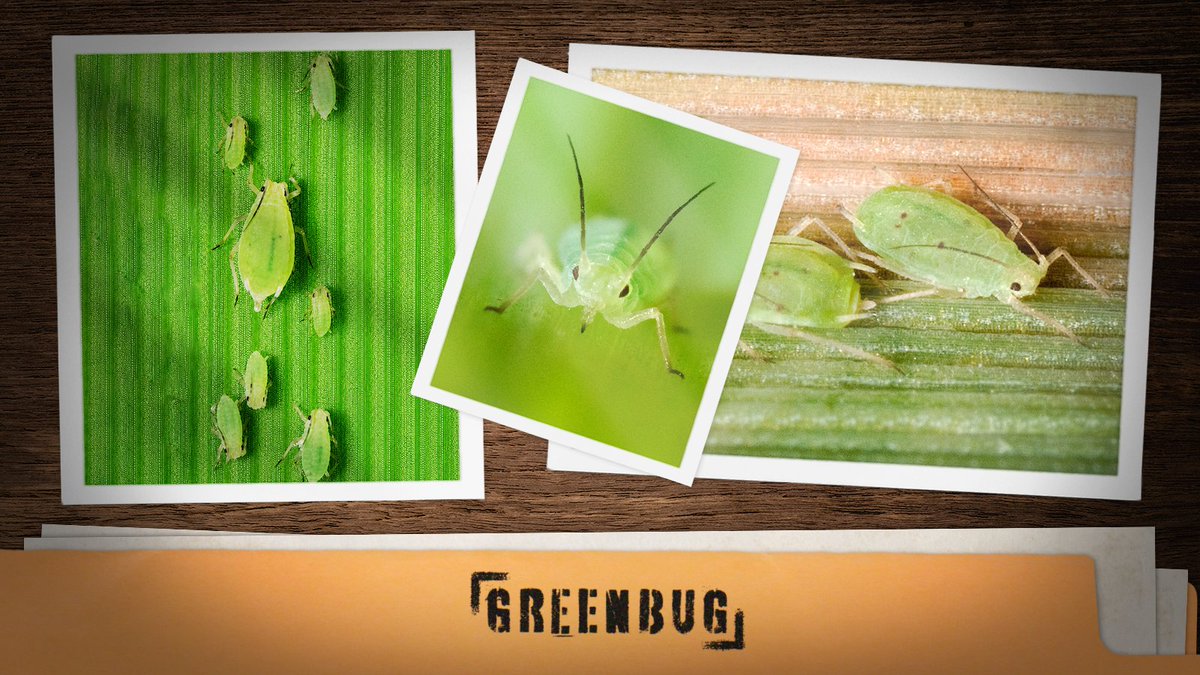
    Creepy crawler alert! The greenbug is no ordinary pest. This tiny pest can live on more than 70 plant species and causes an estimated $100 million annually in losses across U.S. wheat, sorghum, and barley crops. Dr. Brandi Schemerhorn and ARS researchers in West Lafayette, IN, are tracking the pest’s evolution and screening U.S. seed nurseries across the nation to assist breeders in their quest to identify wheat cultivars that are pest-resistant to help farmers and protect our crops. #ARSAgLab
    Download
    004400
  7. Agricultural Research Service✓@USDA_ARS
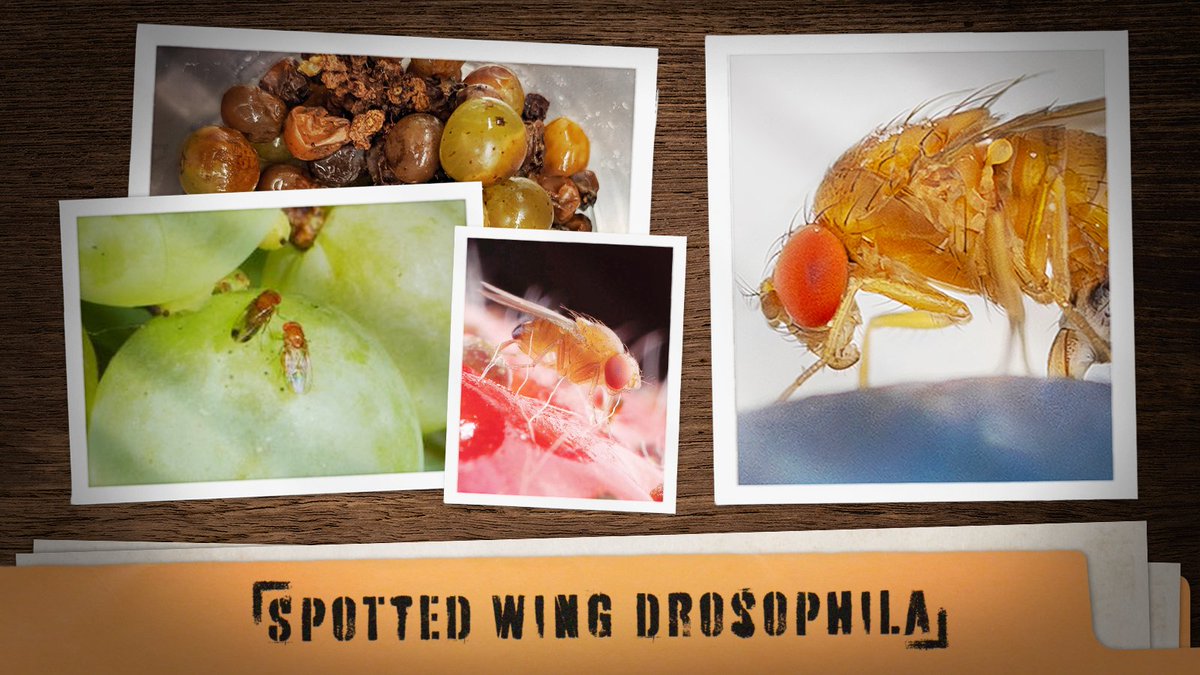
    Creepy crawler alert! The spotted wing drosophila is a tiny terror with something called an ovipositor (egg-laying organ) that looks like a stinger with serrations. Like something out of "Alien," it can saw into fresh fruits and lay eggs. Eventually their larvae-associated microbes start to rot the fruit and the bugs will emerge, costing millions in losses for U.S. farmers. Dr. David Kang and ARS scientists in Columbia, MO, are fighting this pest by reducing the prevalence of grape sour rot disease to protect our fruits. #ARSAglab
    Download
    003371
  8. Agricultural Research Service✓@USDA_ARS
    Kiwis are grown in many regions, including the United States. But can you guess which mountainous state is also suitable for kiwi growing? In today’s podcast, ARS researchers from the Appalachian Fruit Research Station in Kearneysville, WV, answer that question and tell us more about this vitamin-packed fruit!
    Download
    000294
  9. Agricultural Research Service✓@USDA_ARS
    ARS researchers are fighting against the creepiest crawlers! Follow us this month to learn about these tiny pests and how ARS is helping U.S. farmers protect their crops. #ARSAgLab
    Download
    011334
  10. Agricultural Research Service✓@USDA_ARS
    On #nationalpumpkinday, 🎃enjoy the health benefits of this gourd most associated with October. Pumpkins add an earthy, sweet flavor and creamy texture to recipes—like this pumpkin smoothie. They are also healthy additions to your diet as they contain germ-fighting vitamins and minerals, including potassium. Check out these ways to fuel up for fall at
    Download
    025620
  11. Agricultural Research Service✓@USDA_ARS
    During #nationalapplemonth, enjoy a taste of fall.🍎 Include apples in a delicious salad with dark greens like fresh spinach—packed with Vitamin K, which supports bone health! Check out this healthy recipe that includes apple cider vinegar from Recipe:
    Download
    047448
  12. Agricultural Research Service✓@USDA_ARS
    ARS scientists in Bushland, TX, and their industry partners are developing sensors and automated irrigation control systems. Learn how their efforts can increase savings and efficiency, while improving crop yields for American farmers. #ScientificDiscoveries
    Download
    0912555
  13. Agricultural Research Service✓@USDA_ARS
    ARS collaborators in Shepherdstown, WV, are working with the U.S. aquaculture industry to convert fish waste into compost that is nontoxic to plants. Learn how converting waste solids into compost products can provide American farmers with additional revenue, reduce fish waste, and protect our water resources. #ARSAgLab
    Download
    021354
  14. Agricultural Research Service✓@USDA_ARS
    ARS scientists and engineers in Lubbock, TX; Stoneville, MS; and Las Cruces, NM, are delivering innovative technologies to the cotton industry. Their work is reducing contamination and minimizing cotton fiber waste. This research also enables U.S. cotton producers to maintain clean, high-quality, and profitable products.
    Download
    038574
  15. Agricultural Research Service✓@USDA_ARS
    ARS scientists in Sidney, MT, are working with a biocontrol agent in the form of a tiny swimming weevil. This bug helps combat the wide-spreading, invasive flowering rush plant. As researchers develop natural methods to control flowering rush, they are protecting the U.S. aquaculture industry from this costly and damaging aquatic species.
    Download
    036425
  16. Agricultural Research Service✓@USDA_ARS
    In #ScientificDiscoveries, ARS scientists and their university partners are collaborating to combat a fungus called Aspergillus flavus. The fungus is especially damaging to corn crops in the southern United States, causing millions in economic losses if kept unchecked. See how the researchers are helping American farmers control the spread of the fungus. #ScientificDiscoveries
    Download
    046523
  17. Agricultural Research Service✓@USDA_ARS
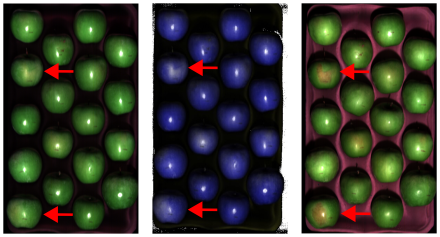
    ARS researchers are using hyperspectral imaging technology to determine (at harvest) the apples that are at risk of developing sunscald. Sunscald is a condition where heat and light from the sun damages the outer layer of a fruit. By identifying and removing the sun scalded apples, U.S. apple producers can better market their fruit. This also protects against food loss. #nationalapplemonth
    Download
    115487
  18. Agricultural Research Service✓@USDA_ARS
    In today’s podcast, we “peel” back the story behind America’s favorite comfort food—the potato—and the science that keeps your fries crispy and red-skinned mashed potatoes creamy and delicious! #NewVarieties
    Download
    012352
  19. Show more posts