You can’t stop aging…
But you can slow it down... and in some cases, even reverse the damage.
Here are the 7 most effective strategies to reverse aging from the inside out: 🧵
What if I told you that your blood sugar barely drops after 24 hours without food?
In a 1973 study, researchers took liver biopsies from fasting volunteers. After 8 hours, more than half of the liver's stored sugar, calledglycogen, was gone. After 24 hours, about 90% was depleted.
Yet after 24 hours of fasting, blood sugar typically stays fairly steady, usually around 70 to 80 mg/dL. That's because your liver doesn't just store sugar. It can also make it through a process called gluconeogenesis. Even a lean person carries roughly 120,000 calories of stored fat, compared to only about 400 calories of glycogen in the liver.
In another study, 33 healthy people fasted for 72 hours, with zero cases of hypoglycemia.
So why do some people get shaky and irritable when they skip a meal? Often, it's a sign of a high-carb diet, not a true blood sugar problem.
Somewhere between 12 and 24 hours, your body shifts into fat burning, and autophagy, your body's cleanup process, kicks in.
-Dr. Berg
Thinking about trying a fast? See how intermittent fasting actually works here:
Dr. Eric Berg, DC, not MD; information only
The fastest way to feel better is not doing more. It is fixing the right thing first. This quiz helps you discover what that is for your body.
Take my free 2-minute quiz now:
Dr. Eric Berg, DC, not MD; information only
If your gut is already irritated, suddenly increasing fiber intake may worsen gas, bloating, or discomfort. Some people may do better temporarily reducing certain fibers while focusing on foods they tolerate well.
Dr. Eric Berg, DC, not MD; information only
If you're taking a statin, there's something your doctor may not have mentioned.
Statins block your body's production of cholesterol. But at the same time, they block something your heart and muscles depend on to make energy.
That can show up as muscle weakness, muscle pain, fatigue, or just not feeling up to exercising anymore.
I'm not telling you to stop your statin. Always check with your doctor first. But there's a lot you can do to support your body while you're on one.
Learn what nutrients to pay attention to while on a statin in my free “Statin Aftercare Protocol”:
Dr. Eric Berg, DC, not MD; information only
What would happen if you used rice water on your face every day for two weeks?
Rice water contains B vitamins and other compounds that may support softer, more hydrated-looking skin.
Changes in your skin can sometimes offer clues about your nutrient intake. My FREE nutrient deficiency guide covers some of the first signs your body may show when it's missing key nutrients:
Dr. Eric Berg, DC, not MD; information only
Drinking plenty of water but still thirsty? It may not be water you're missing. It could be salt.
Without enough sodium, your body can't hold onto fluid, and drinking more plain water dilutes the little sodium you have. It's no coincidence that hospital IVs use salt water, not plain water.
Common signs of low blood volume from too little salt include:
1. Dizziness when you stand up quickly
2. Persistent thirst, especially at night
3. Fatigue, weak muscles, or cramps
4. Poor sleep
5. Headaches
6. Feeling cold during the day
7. Constipation
8. Dry mouth and dry eyes
Most people get around 1000 to 1500 mg of sodium a day, but you may actually need closer to 3000 to 4000 mg. About 1½ teaspoons of salt gives you roughly 3000 mg. You may need even more if you exercise, sweat a lot, or follow a low-carb diet.
Low sodium is just one deficiency with early warning signs. Learn the first signs of other nutrient deficiencies here:
Dr. Eric Berg, DC, not MD; information only
Vitamin D doesn't work alone. Without magnesium, vitamin K2, and zinc, its benefits fall short. These cofactors help activate it, direct calcium properly within the body, and support your immune system.
Dr. Eric Berg, DC, not MD; information only
The unhealthiest foods spike insulin levels, leading to insulin resistance, which is commonly at the root of chronic illness.
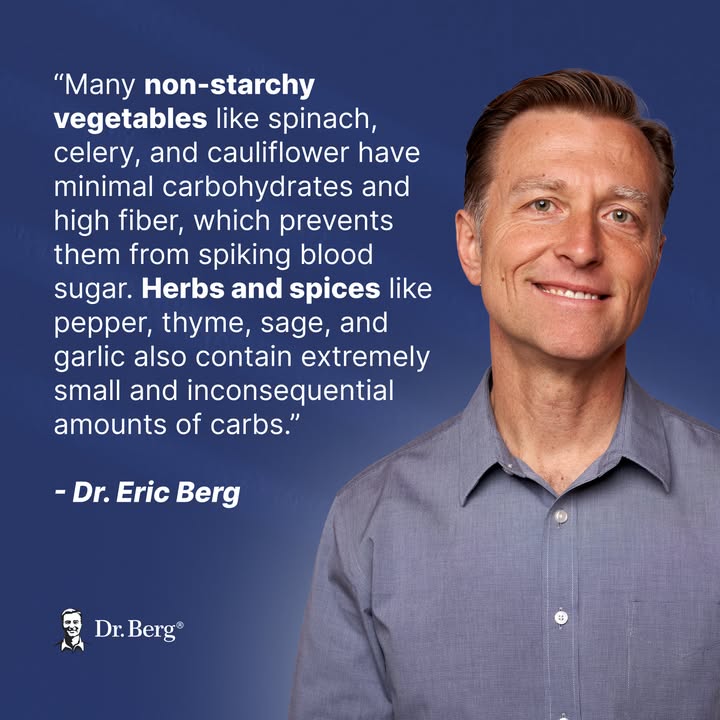
Instead, prioritize filling your plate with low-carb, low-sugar foods, like vegetables.
Vegetables contain a minuscule amount of carbs and will not spike blood sugar. On the contrary, their high-fiber content helps manage blood sugar by slowing down digestion, preventing rapid glucose spikes, and reducing insulin resistance.
Watercress, mushrooms, spinach, arugula, Swiss chard, bok choy, kale, zucchini, celery, cucumber, and cauliflower are great options, and herbs are excellent too!
Find out more about the 7 healthiest foods with zero carbs and zero sugar:
Dr. Eric Berg, DC, not MD; information only
Emotional stress from heartbreak, financial pressure, or ongoing anxiety can affect more than just your mood. Chronic stress can keep stress hormones elevated and may impact immune and cardiovascular health over time.
Dr. Eric Berg, DC, not MD; information only
Most people waste months trying to fix everything at once, when only 1 thing actually needs fixing first. Fix that, and everything else starts to fall into place.
Take my free 2-minute quiz to find the #1 fix specific to you:
What is one key takeaway you gained from this thread? Share it in the comments below.
I read every comment and often use them to create future content that matters to you.
Dr. Eric Berg, DC, not MD; information only.