Rainwater is no longer drinkable anywhere on Earth, according to scientists.
CONGRATULATIONS!
Rainwater contains traces of persistent industrial chemical, raising concerns about the global spread of pollution.
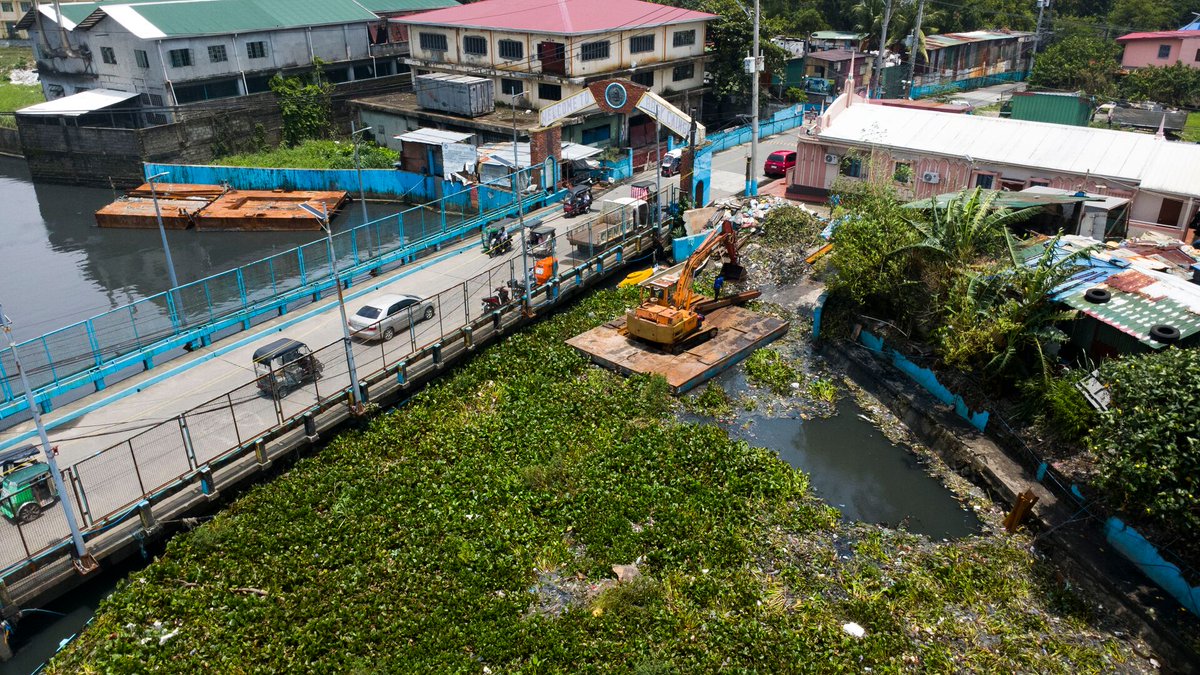
Beneath all that trash is a river!!
While you're patting yourself on the back for recycling, this is what's going on in other parts of the world
Good luck saving the planet with your paper straws and reusable coffee cups
Writer: Ian
“Mr. Wonderful” (aka Kevin O’Leary) new Data Centre near Salt Lake City, will be one of largest in world, requiring much as 9 gigawatts (GW) of on-site power burning methane gas
Emit Air Pollution That’s Linked to Premature Deaths threat to Utah & States Downwind
Trump EPA is effectively abandoning Clean Air Act enforcement at factory farms.
What a racket 12,700 deaths in US a year from pollution from factory farms
And EPA decides to protect the polluters not the people or environment
A round of applause for states refusing to let weaker pollution protections slide. 👏 This lawsuit is a reminder that climate action can also look like protecting the air we breathe.
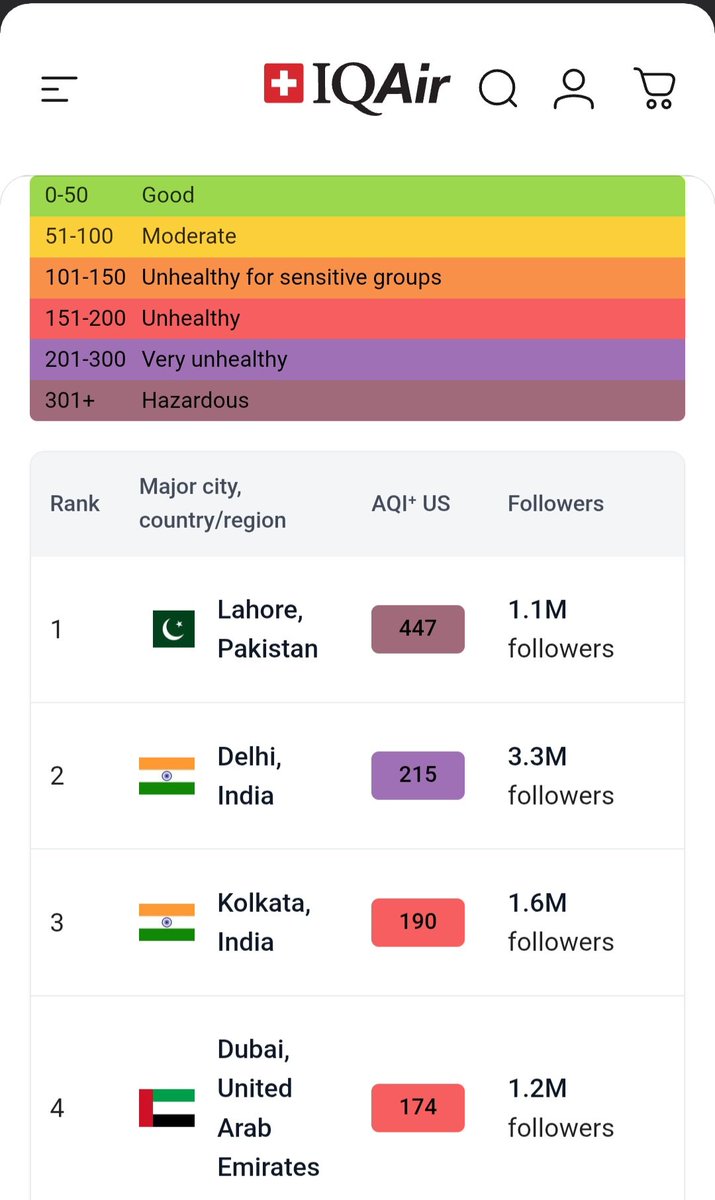
Thick smog enveloped New Delhi as the Indian capital’s air quality was classified as 'very poor.' Authorities stepped up anti-pollution measures, including restricting the entry of older, high-emission vehicles
Here’s what happened at The Ocean Cleanup in October:
🔹 In the Philippines, Interceptor 028 is now operational in the Meycauayan River- the first of several deployments planned in the region as part of our 30 Cities Program.
🔹It’s been seven years since we introduced the Interceptor to the world. Today, 26 Interceptors have been deployed across 12 countries, and we’re continuing to scale up.
🔹In Colombia, we signed an MoU with the Cartagena Mayor’s Office to tackle plastic pollution and stop waste from reaching the Caribbean Sea.
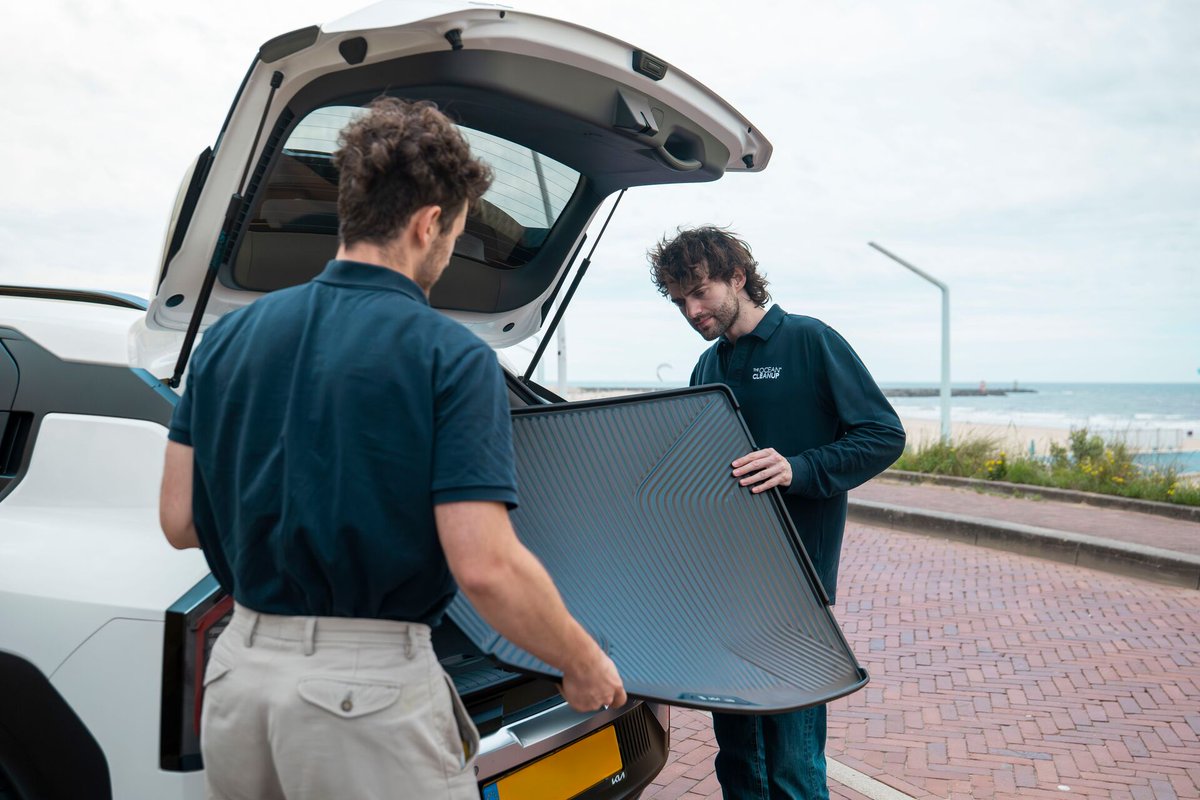
🔹Our first car accessory made with 40% plastic recovered from the Great Pacific Garbage Patch in partnership with Kia is now available.
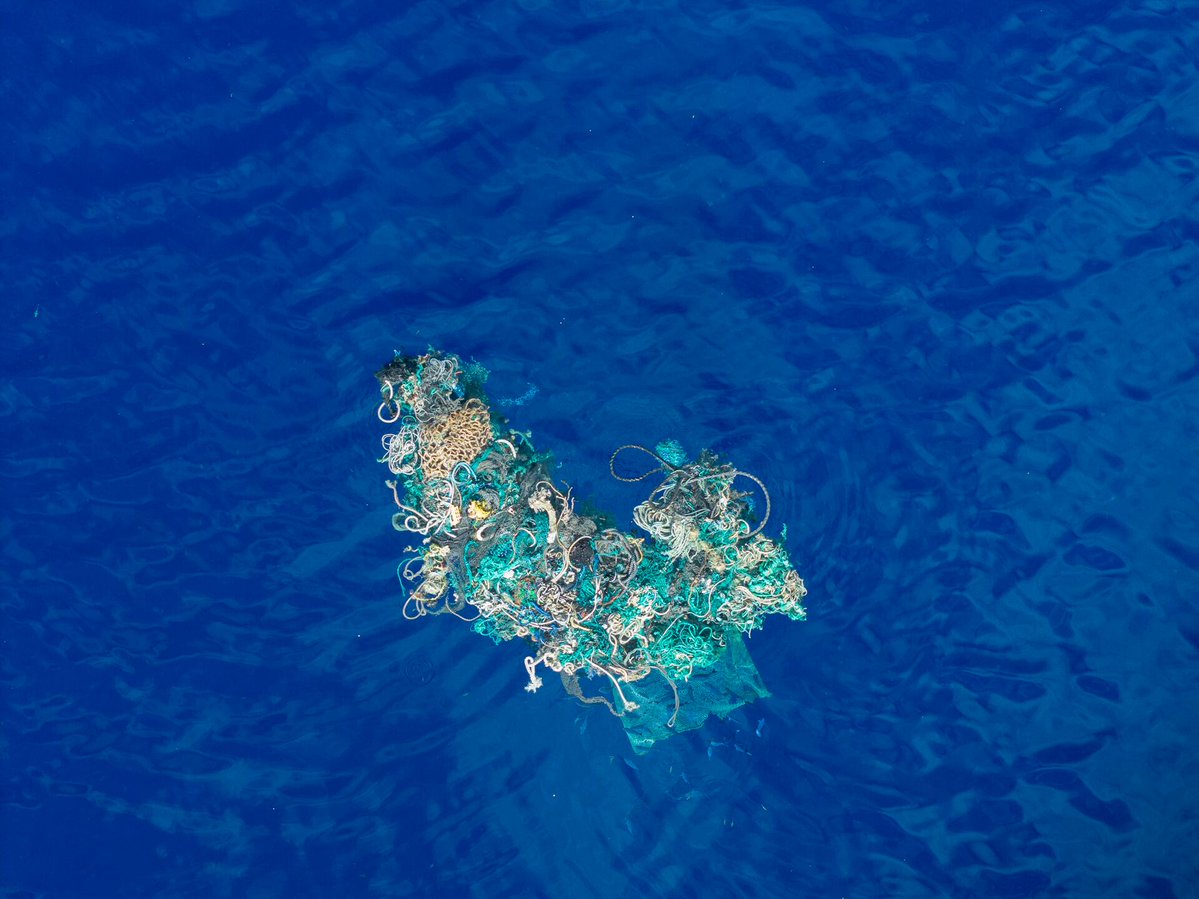
🔹Back in July, we returned to the Great Pacific Garbage Patch to test our Smart Steering Strategy. Find out how it went in our latest YouTube video:
Have a question? Ask us in the comments.
Has anyone ever been arrested for water pollution or endangering wildlife? Of course not! But they will swear that there are laws protecting the ocean.
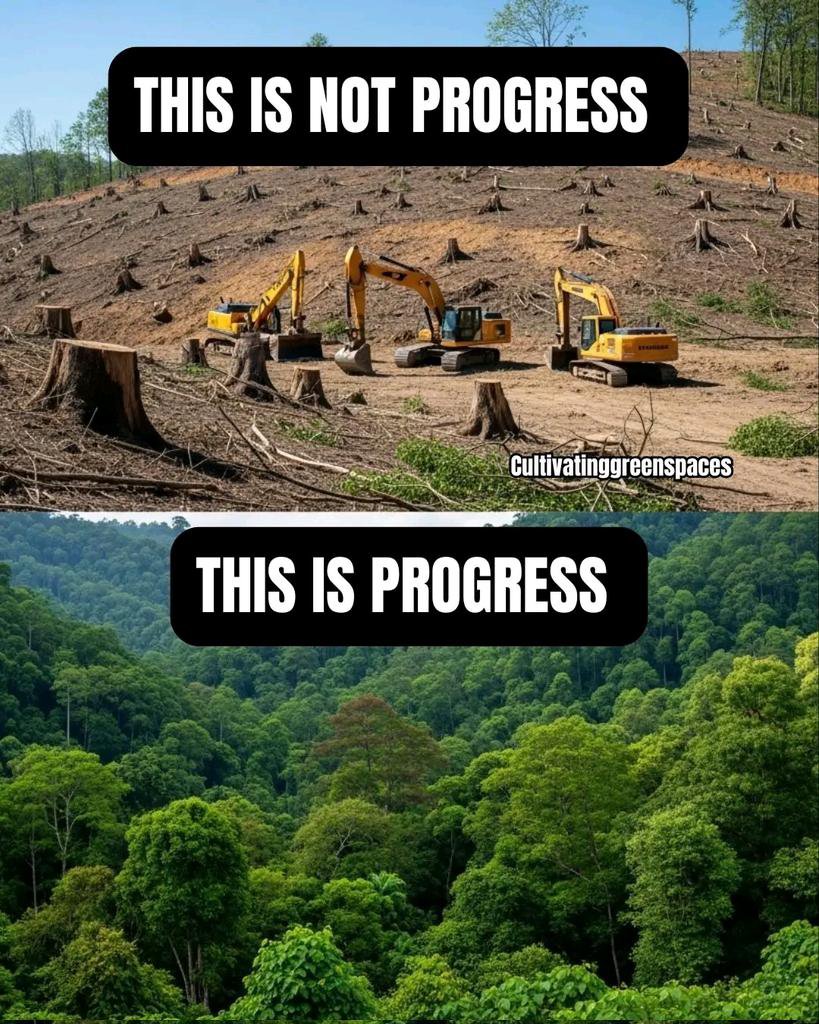
GDP counts pollution as growth. Deforestation as growth. Bottled water after rivers die as growth. It is time to count what actually matters: A planet that can still sustain 8 billion of us.
Every day, our planet bears the scars of human greed. From deforestation to pollution, our relentless pursuit of resources is pushing Earth to its limits. Did you know that we lose an estimated 18 million acres of forest each year? These forests are vital for biodiversity and climate regulation. It's time to rethink our actions and prioritize sustainability over short-term gains. Let's work together to heal our planet. #EarthHealing#Sustainability
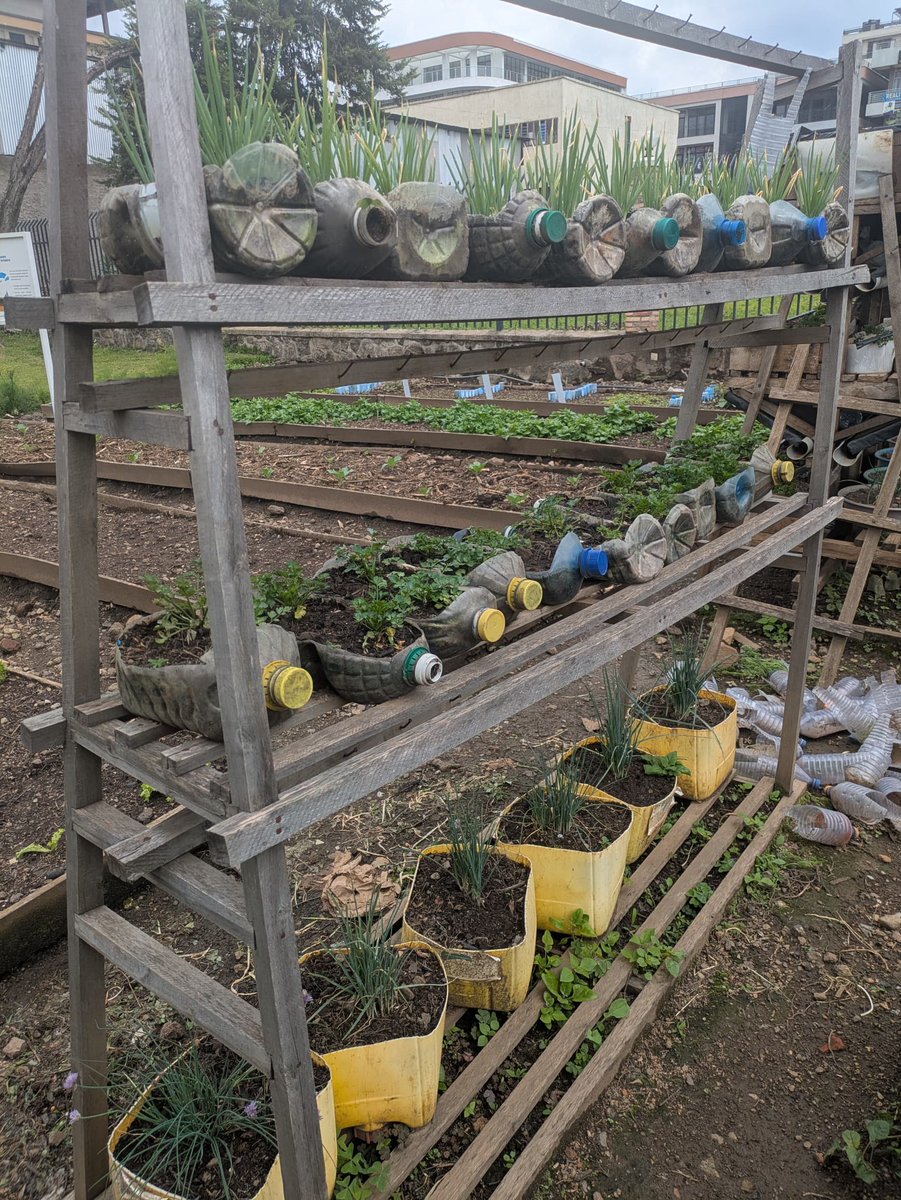
Two of the world's biggest challenges: plastic pollution and food security.
One simple idea that helps both: turn used plastic into a smart home garden. 🌱♻️
✔️ Waste becomes a resource
✔️ Families grow fresh, chemical-free food
✔️ Communities learn that sustainability starts at home
We don't need to wait for big solutions to make a difference. Start with one bottle.
Will you try it? 👇
#EcoFriendly#SmartFarming#ClimateAction
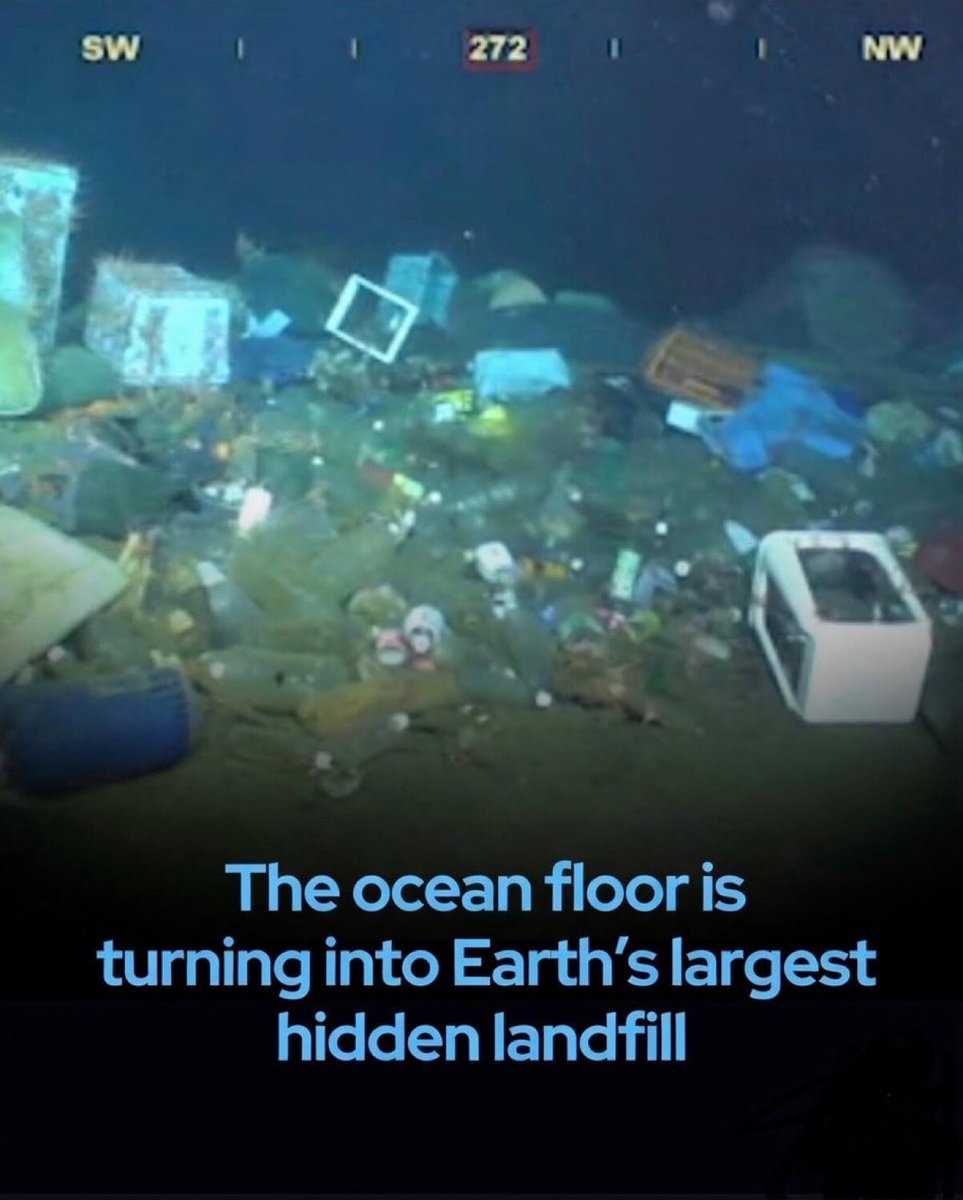
The ocean floor is slowly turning into a landfill
For decades, most concern about ocean pollution has focused on floating plastic and waste washing up on beaches. However, scientists now warn that the largest buildup of debris is happening out of sight, deep beneath the ocean’s surface.
A global review led by researchers at the University of Barcelona found that the seafloor is accumulating vast amounts of human-made waste, in some places at levels comparable to landfills. In the Strait of Messina, between Italy and Sicily, researchers documented over one million pieces of debris per square mile (around 400,000 per square kilometer), making it one of the most polluted seafloor regions ever recorded.
Debris such as plastic bags, fishing nets, metal, glass, and discarded equipment does not simply sink straight down. Ocean currents, storms, and underwater canyons transport waste from coastlines into deep-sea basins thousands of feet below the surface. Plastics account for about 62% of seafloor litter and can travel long distances before settling.
This is a global issue. Plastic has been discovered nearly 36,000 feet deep (about 10,900 meters) in the Mariana Trench, the deepest known point in the ocean. If current trends continue, scientists estimate the ocean could contain over 3 billion metric tons of waste within the next 30 years.
The impact on marine life is severe. Nearly 700 marine species are affected by seafloor debris through entanglement, ingestion, or exposure to toxic chemicals. Abandoned fishing gear can continue trapping animals for decades, a process known as ghost fishing.
Because this pollution occurs far from human view, it is often overlooked. But what sinks into the ocean does not vanish — it accumulates, persists, and alters ecosystems long after it disappears from sight.
Read the study:
“The quest for seafloor macrolitter: a critical review of background knowledge, current methods and future prospects.”
Environmental Research Letters, 2021
Not only are fossil-fuel companies killing people with pollution and helping to destroy the conditions for life on this planet, they absolutely flourish when there’s war.
Has there ever been a more demonic industry?