we made an unhinged video to let you know that you’re overpaying for your tokens…
…and there’s something you can do about it.
Introducing Doubleword.
🕊️✨🙏 LET THERE BE TOKENS 🙏✨🕊️
9187238.5K
@MeryemArik9
let there be tokens! I’m the token (generation) woman - CEO/Co-founder @doubleword_
Meryem Arik @MeryemArik9We onboarded a new customer yesterday, they’re in the defensive cyber space, overnight they found 5X more vulnerabilities than they normally do in a typical day. This was because with their other inference provider 50% of their runs were failing because of rate limits - now none of them do. Let there be tokens 🕊️🎲
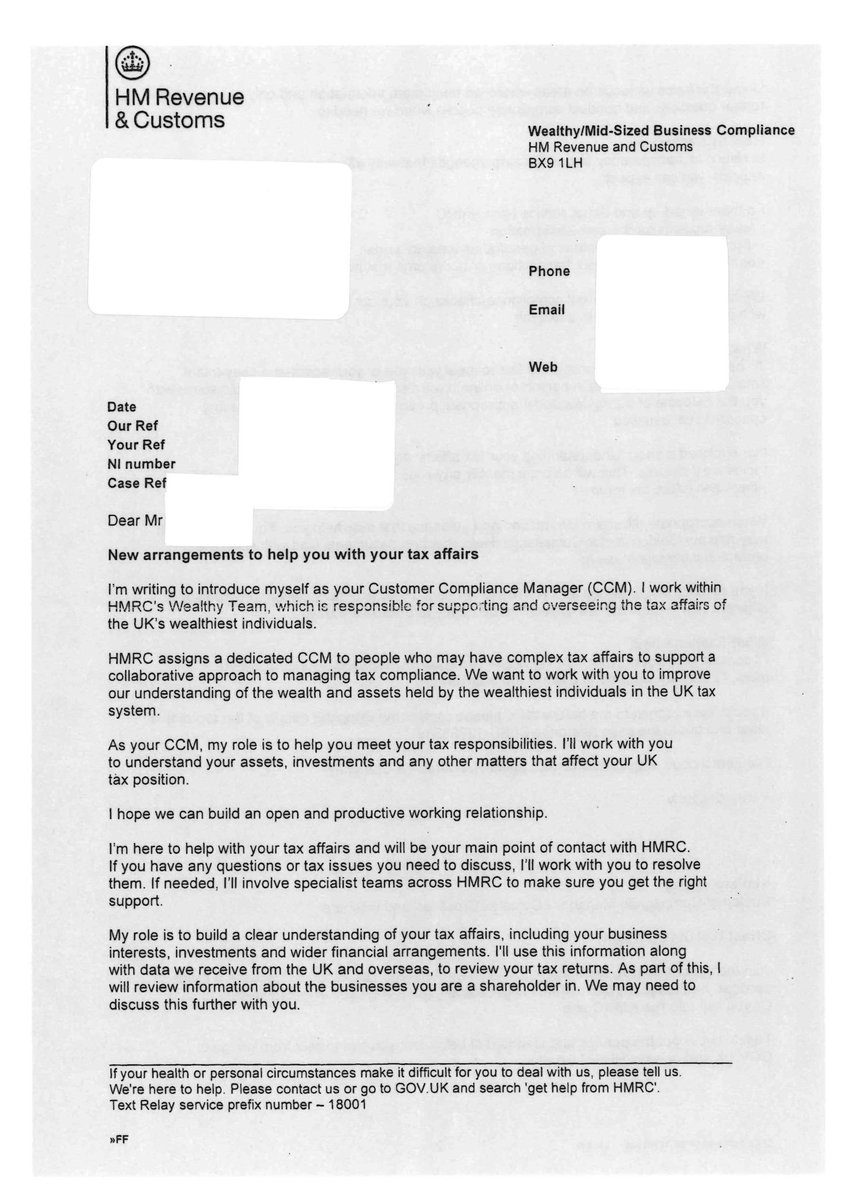
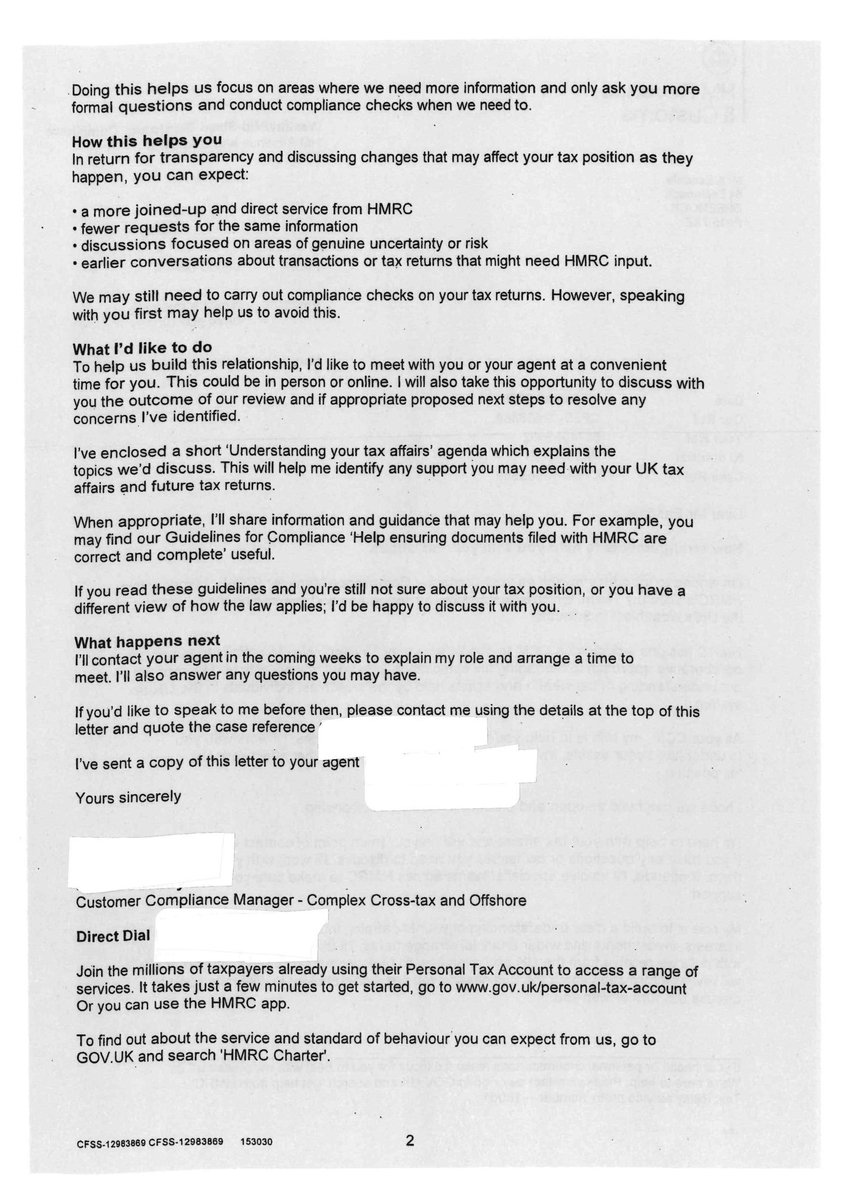
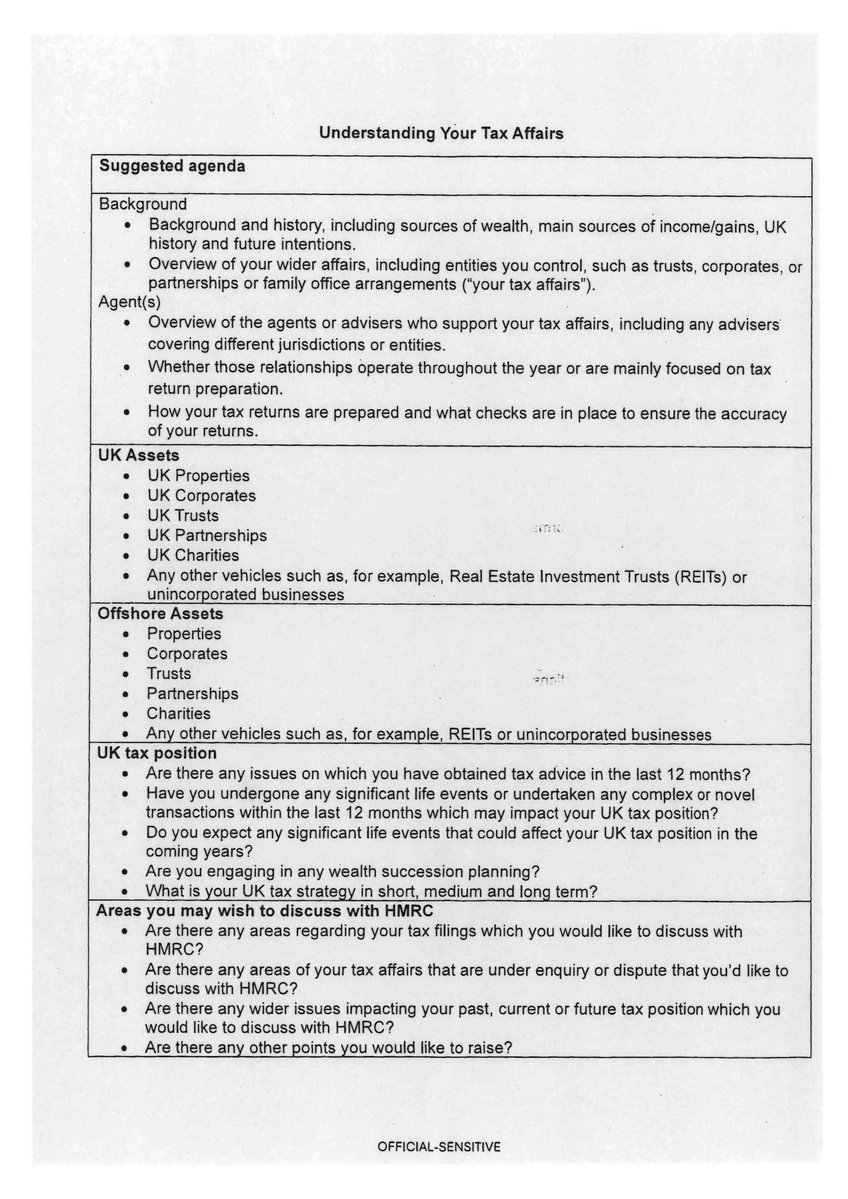
GB Politics @GBPolitcs🚨NEW: HMRC's letter to wealthy Britons demanding detailed information about their financial arrangements has been revealed

Deedy @deedydasThere is an absolute barrage of inference providers popping up that get to $1M/mo extremely quickly. This is the rough economics of inference providers: Even if you rent on-demand B300s at $8/GPU-hr, many open source models (GLM 5.3, Kimi K3, DeepSeek 4.1 Flash / Pro) can get you >$10-20/GPU-hr at reasonable throughputs (100tok/s). DeepInfer from DeepSeek directly shows they can get $38/GPU-hr on off-peak hours. Every chip / model has a different throughput / interactivity curve, but there is a lot of arbitrage between even high rental spot prices and token prices. New chips (Vera Rubins) also change this meaningfully. Your ability to be making gross margin relies on your utilization and how good your stack is. Gateways like OpenRouter, Vercel and more help solve that problem by aggregating demand to you. May inference providers discount their tokens to get longer term commits too. I've even heard stories of selling back Chinese model tokens to Chinese labs! One thorn in the economics of these players is that many Chinese open source model labs are now asking for rev share if you're at a certain scale, espp for pre-release access to their models for day 1 support. That further pushes the threshold to be in the money. The barrier to entry seems low and falling. There are even stories of smaller ones who can "vibe code" a way to stand up OSS models on a cluster they rent. And as a result, we're seeing 10s of such companies pop up almost every week and immediately skyrocketing revenue at low-ish gross margin and raising rounds on the back of that. Unsurprisingly, because the actual service provided seems commodity, this eventually drives up compute prices and drives down token prices. In theory, it would seem like neoclouds who have the lowest cost of compute and themselves have started inference businesses would win the race to the bottom (Crusoe Coreweave Nebius and GMI all have inference businesses), with larger players (Modal Fireworks Baseten) being second because they are well capitalized to make bigger compute commits cheaply and have demand (high utilization), but the reality is the pie is growing so quickly that even upstarts are absolutely crushing it and growing aggressively (inference dot net, DeepInfra, Wafer, Relace, Morph). Strategies vary across the board: neoclouds want to serve inference, inference players want to be neoclouds and do higher margin reserved instances / post training, and some want to go heterogeneous hardware or creatively flexible compute constructs. The risks are: do open source models continue to be competitive? Will their creators rent seek more? Will their shape change compute needs? How do different chips change economics? Who gets compute in a supply crunch? Below is a aggressive sketch of how gross margin scales with utilization for various models / chip sets. For now, there are many inference providers and they’re all ripping!


Elon Musk @elonmusk@Yuchenj_UW I think we’re going to see a lot of stranded compute in partially complete data centers


Meryem Arik @MeryemArik9Only just found out that “ack” means acknowledge, I thought it was an expression of frustration like “urgh”
Kimi.ai @Kimi_Moonshot