NASA Ames✓
@NASAAmes
We're NASA's center in Silicon Valley.
109 Following503K Followers13.1K Posts
- NASA AmesRT @NASA_Marshall: Members of the media are invited to tour a new lunar landing simulation at @NASAAmes on Oct. 29 & 30. Using simulators will give astronauts and engineering teams experience before crews pilot commercial human landing systems to the surface of the Moon. 🔗01110305
- NASA AmesRT @NASAArtemis: Ready for an Artemis update? Tune in Friday, Oct. 23, at 2 p.m. ET (1800 UTC) to hear our latest progress and accelerated plans for Artemis lunar missions. Watch live:03900351
- A cosmic butterfly 🦋 In this shimmering view captured by @NASAHubble, the complexities of the Twin Jet Nebula are seen in striking detail, with lobes of material stretching outward while jets of gas stream from a central star system.
 891.3K6.6K119K
- NASA AmesRT @NASA: There's a lot of ground to cover when you're building a Moon Base. During the first phase of @NASAMoonBase development, robotic rovers will gather new details about the lunar South Pole region, while lunar terrain vehicles will extend the reach of each Artemis mission.05810239
- NASA AmesRT @NASAArtemis: Post-flight analysis confirms the Artemis II Orion heat shield performed as expected during its Mach 39 reentry, protecting the spacecraft and the astronauts aboard as they returned from the 694,481-mile journey around the Moon.05110342
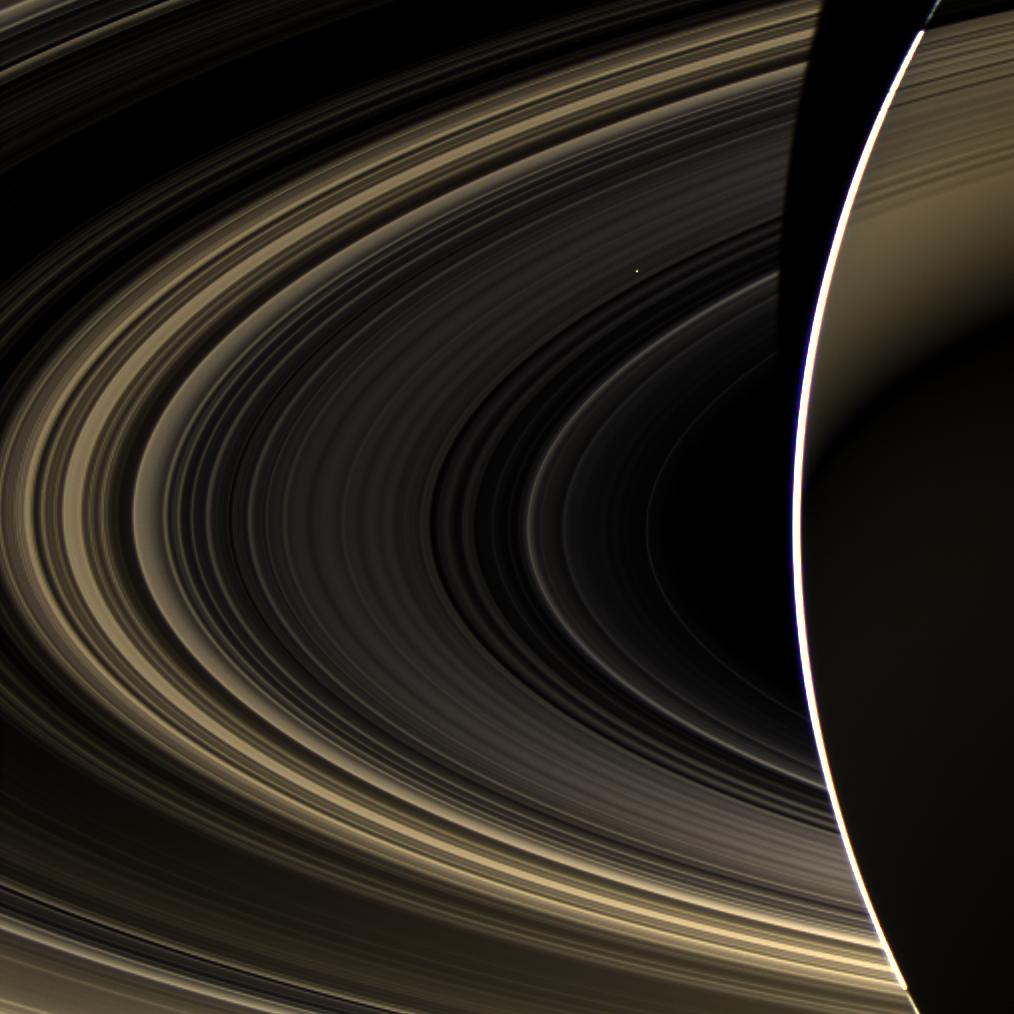
- Snapshots of Saturn 🪐 OTD in 1997, NASA’s Cassini spacecraft launched to explore the wonders of Saturn. For more than a decade, Cassini studied the jewel of our Solar System, including its spectacular rings and icy moons. Take a look at some images captured along the way!


 1617083633.1K
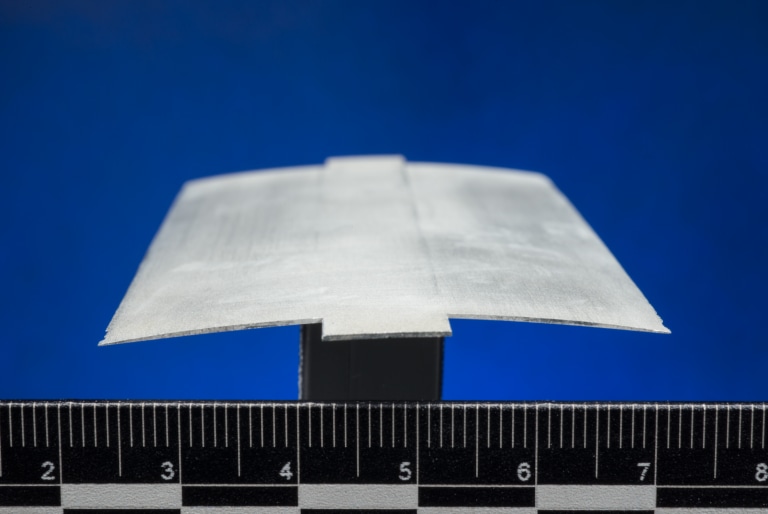
- Built to survive scorching heat 🔥 Our KREPE‑3 experiment is testing some flexible, faster‑to‑produce, lower cost heat shield materials. Today, the Cygnus XL spacecraft left @Space_Station with twelve capsules that will eject during Earth re-entry, sending back performance data on next generation heat shields. Learn more:
 34324117K
- New tech is in orbit! 🛰️ Last week, our Small Spacecraft Propulsion and Inspection Capability mission launched to low Earth orbit to demonstrate new technologies that could one day support autonomous guidance for in-space repairs. Learn more about the SSPICY mission:

 105632412.9K
- NASA AmesRT @NASAArtemis: A huge library of Artemis II data just dropped! Science is a relay race, and today marks the latest in a long series of handoffs. 814 GB of observations. 996 new images. 521 min of never-before-released crew audio. Dig in:03830337
- Posts @NASAAmesThough Venus only appears as a white dot just above and to the right of the image center, this view was made possible as Cassini entered the shadow of Saturn and looked toward the Sun.26302.2K
- NASA AmesRT @NASAKennedy: ICYMI: Four People. Three SmallSats. Two Launches. Opposite Coasts. One Great Day for NASA! 🚀🚀 NASA teams supported two launches on Oct. 1. At 11:10 a.m. ET, the @SpaceX Crew-13 mission departed Florida for the @Space_Station, carrying @NASA astronauts Jessica Watkins and Luke Delaney, @csa_asc astronaut Joshua Kutryk, and Roscosmos cosmonaut Sergey Teteryatnikov on a science expedition to the orbital lab. Just over three hours later, three NASA SmallSats launched on SpaceX’s Transporter-18 mission from California to demonstrate new propulsion technologies, study how galactic dust and high-energy radiation move through galaxies, and advance capabilities for inspecting inactive satellites. The three satellites were: • APDM: ASCENT Propulsion Dual Mode CubeSat • SPRITE: Supernova Remnants and Proxies for ReIonization Testbed Experiment • SSPICY: Small Spacecraft Propulsion and Inspection Capability0870386
- NASA AmesRT @NASAScience_: NASA has selected three new science investigations through its PRISM program to prepare for humanity’s first lunar outpost, @NASAMoonBase. From monitoring hazards to finding natural shelters and mapping water ice, take a look at the science paving the way for lunar exploration:01460396