Stanford Medicine✓
@StanfordMed
The official account of Stanford Medicine
265 Following373K Followers22.9K Posts
- Don't even think of skipping that colonoscopy. A recent clinical trial raised questions about how well colonoscopies work, but Stanford Medicine experts explain why they’re still important for preventing and detecting colorectal cancer.0171K
- Plastic to the rescue? Yes, “It’s changed the game” of knee and hip replacement, says surgeon Jessica Hooper, MD. What was once a 10- to 15-year promise may now have no time limits. AI, robotics and even “smart” implants that track recovery are also changing the field.0031K
- Stanford Medicine researchers have built an AI-enabled model of immune system changes in pregnancy, allowing them to test medications to avert premature birth.25183.6K
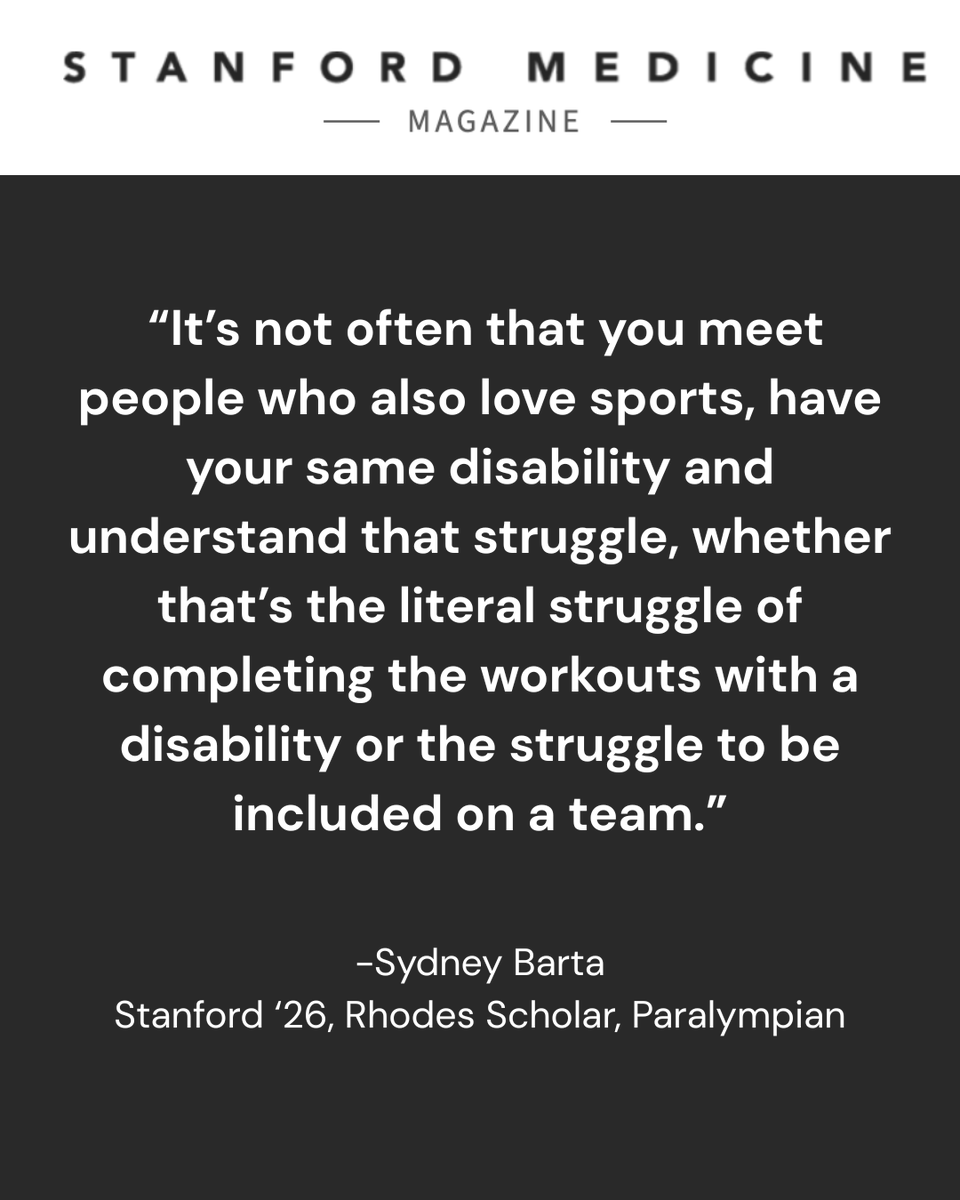
- Spotlight on Sydney Barta, a Paralympian, Stanford bioengineering graduate and the first amputee to compete for Stanford’s track and field team. Barta is turning her experiences as an athlete with a disability into a path toward bone health research and a career in orthopaedic surgery.


 25285.2K
- Behind the Science: In the devastating condition known as amyotrophic lateral sclerosis (ALS), or Lou Gehrig’s disease, the motor neurons degenerate and die. Stanford Medicine’s Aaron Gitler and team are searching for answers.320684.6K
- Stanford MedicineRT @StanfordDeptMed: #StanDOM's 2026 Annual Report, "Common Ground," arrives Oct. 22. Don't miss it! #CommonGround020399
- Stanford MedicineRT @StanfordHealth: Stanford Medicine pediatrician Anisha Patel studies how to help kids and families make healthier dietary choices. She shares her thoughts about the new federal guidelines.030353
- Stanford MedicineRT @StanfordCancer: Blood tests designed to detect cancer are gaining popularity, but how effective are they? Stanford Cancer Institute experts weigh in. #CancerDetection010375
- Stanford MedicineRT @StanfordEng: Nobel laureate @KarlDeisseroth came to neuroscience through words. His love of literature and writing drew him toward the human brain, and a required psychiatry rotation in medical school set him on the path to developing optogenetics. Here, he traces that journey.02020362
- Stanford Medicine researchers uncovered genetic evidence linking Native Hawaiians to ancient Polynesian migrations, revealing new insights into their ancestry and potential implications for genetic screening and disease risk.2251.9K
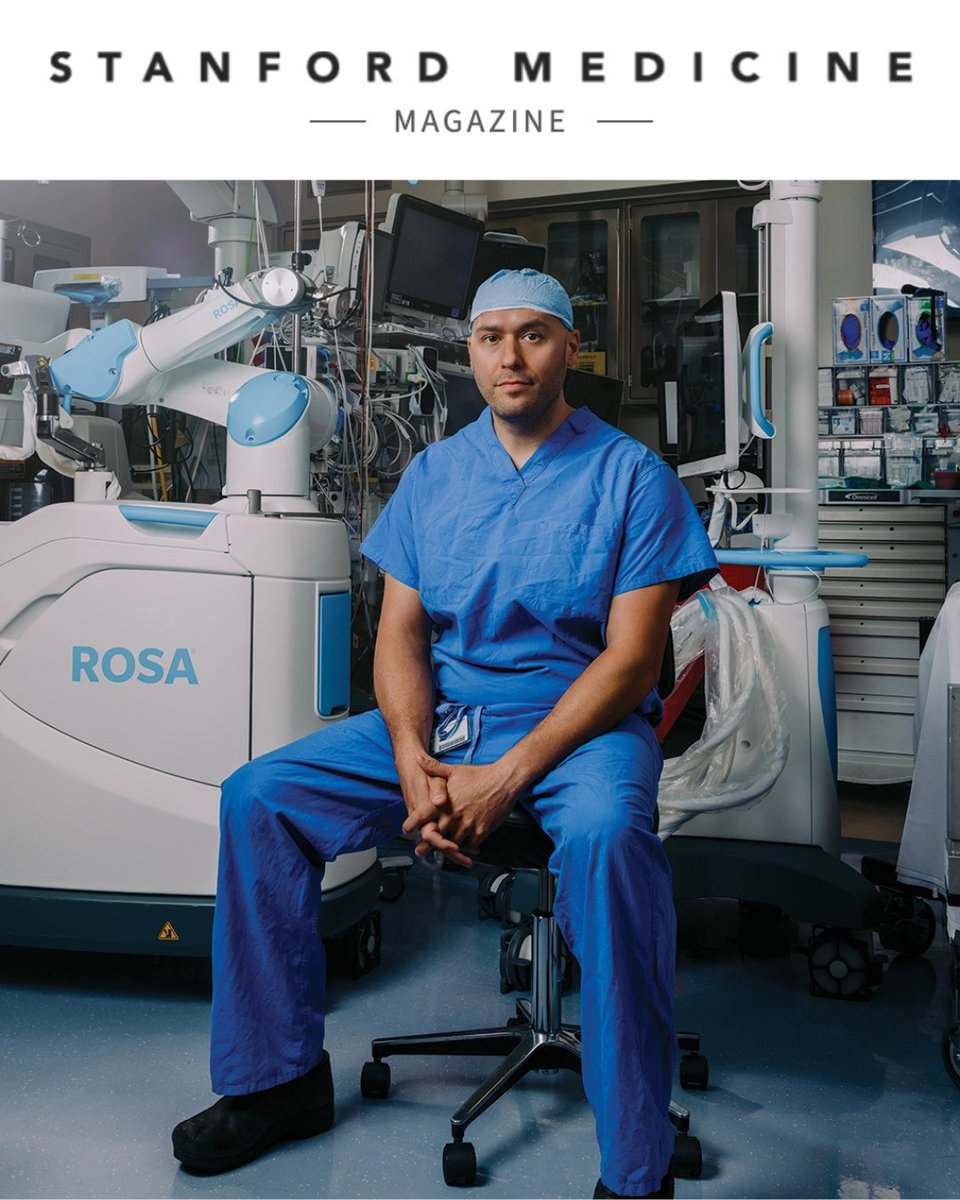
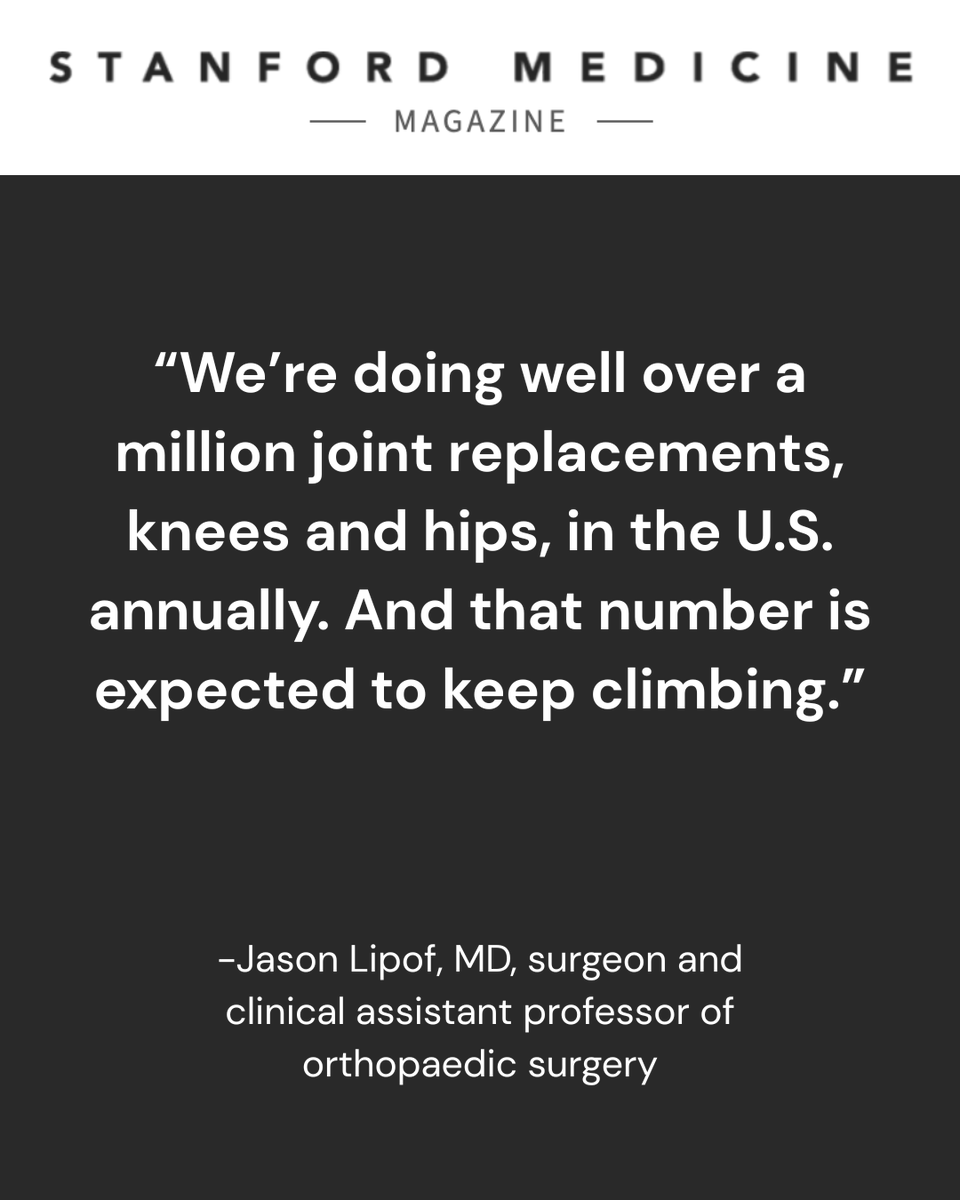
- Spotlight on Jason Lipof, MD, a surgeon and clinical assistant professor of orthopaedic surgery at Stanford Medicine. In March 2026, Lipof became the first Stanford Medicine surgeon to implant a smart knee. “Tons of people use personal activity trackers. This is just one you don’t have to remember to take on and off, or charge,” Lipof said. “The data it collects, like step count, range of motion, walking stride, gets put into these graphs and shows a patient their progress. So, it’s a motivating factor in recovery.”


 61710713.1K
- Stanford MedicineRT @Stanford: A @StanfordMed large-scale study of gene activity in immune cells could help researchers identify potential targets for treating autoimmune diseases.0210387
- Stanford Medicine psychiatrist Anna Lembke unpacks the potential of FDA-approved weight-reducing GLP-1 drugs like Ozempic as tools in treating addiction.07192.3K
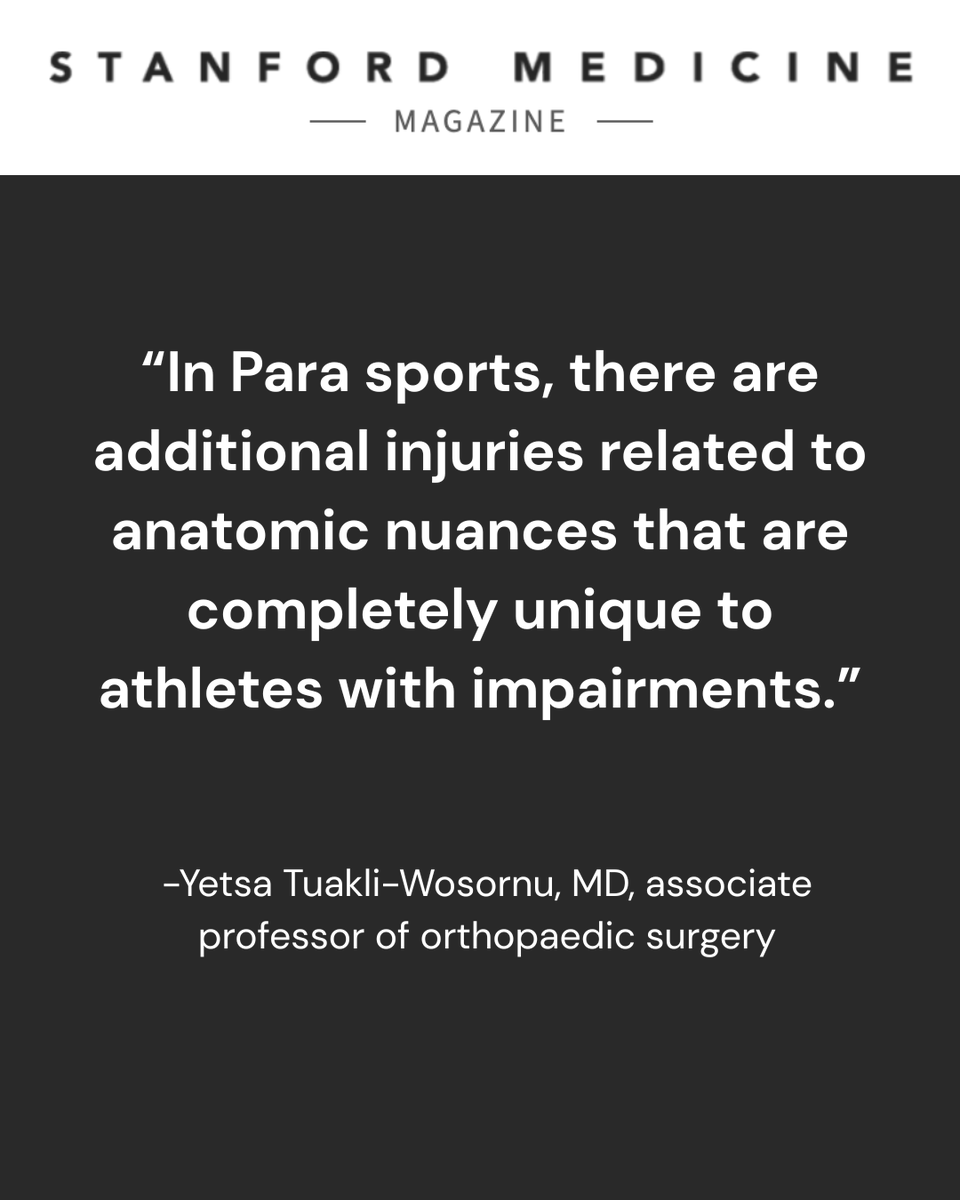
- Spotlight on Michael Fredericson, MD, and Yetsa Tuakli-Wosornu, MD, Stanford Medicine experts in adaptive sports medicine. They're redefining sports medicine for athletes with disabilities — finding the injury risks others miss and helping them stay in the game.


 07203.6K
- Stanford Medicine gynecologists offer tailored strategies to manage menopause symptoms in breast cancer survivors who can’t use hormone replacement therapy.
 44274.2K
- Spotlight on Chantal Nguyen, MD, a clinical assistant professor of orthopaedic surgery at Stanford Medicine. Nguyen studies the experiences of athletes with disabilities to identify barriers and improve access and care across adaptive sports.


 05314.2K
- “We’re incredibly excited to see the treatment being used with patients receiving routine clinic care. It’s a mark of Stanford’s innovation that it started in a Stanford laboratory and is now being used with our patients. It’s truly gratifying to be able to provide a treatment to our patients that offers a higher quality of life and lower risk," said Stanford Cancer Institute's Robert Negrin, MD.Stanford Cancer Institute @StanfordCancerA groundbreaking Stanford immunotherapy for #BloodCancers saw its first clinical use after receiving FDA approval.22013013.8K
 Stanford Cancer Institute@StanfordCancerA groundbreaking Stanford immunotherapy for #BloodCancers saw its first clinical use after receiving FDA approval.062112.8K
- “Our study establishes that the hundreds of bacterial species that are rare or missing in industrialized microbiomes were ancient companions of ours as we migrated around the globe, likely passed from generation to generation for millennia,” said Justin Sonnenburg, PhD, a professor of microbiology and immunology at Stanford Medicine.028666.3K
- A Stanford Medicine cardiologist weighs in on why we should care about hypertension, how to get it under control and to what extent wearable technology should be involved in monitoring our blood pressure.18263K
- Show more posts