Judith Curry✓

@curryja

President, Climate Forecast Applications Network Professor Emerita Georgia Tech Author of Climate Uncertainty and Risk

2.4K Following90.2K Followers11.6K Posts
  1. Judith Curry✓@curryja
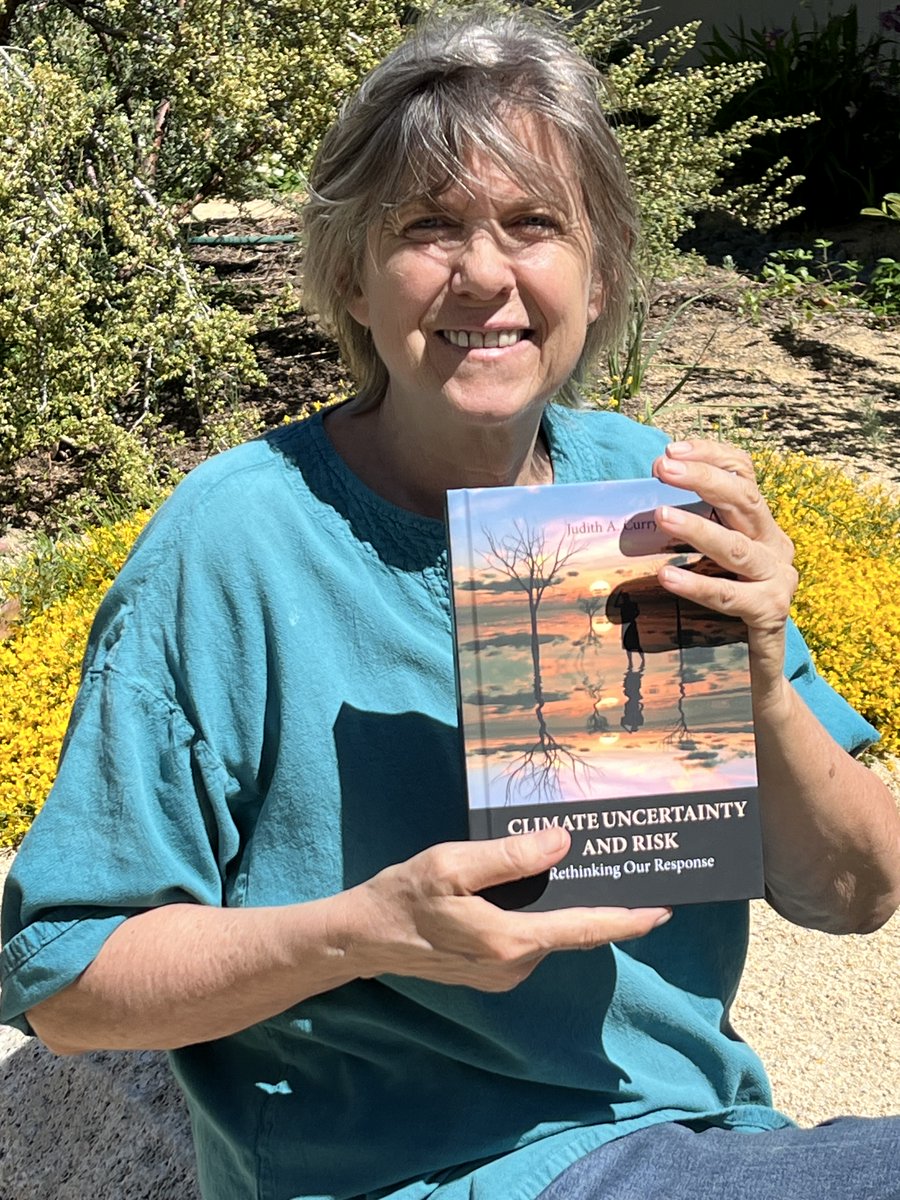
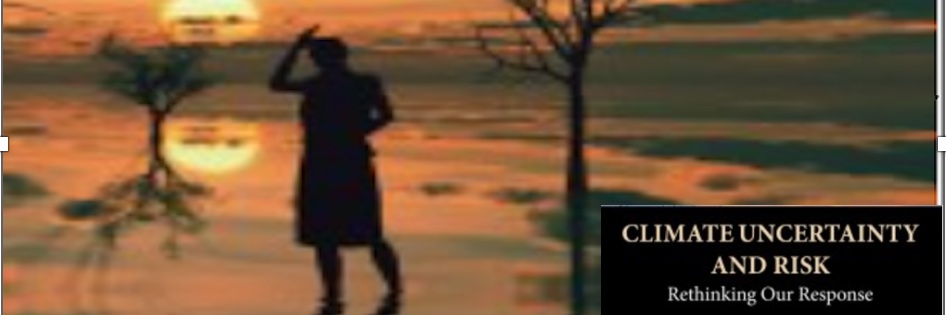
    My new book Climate Uncertainty and Risk has arrived! Early reviews: “Judith A. Curry leverages her background in climate science, weather forecasting, and devising risk management strategies to present the climate policy debate we have never had. Her balanced, evidence-based, and multifaceted discussion leaves the reader ‘better informed as to the uncertainties and the various values in play’ in designing climate policy.”―Peter Hartley “Judith A. Curry is one of the world’s leading scholars of climate change and a deep thinker about how science copes with uncertainty. In this refreshing and comprehensive book, she shows with meticulous care and great clarity that exaggerated claims about climate change made for political purposes are wide of the mark. Instead, she shows the way to a rational and practical discussion of this polarized topic.”―Matt Ridley “With climate models running too hot by a factor of 2 for 30 years, with everything that used to be called a weather event now a portent of climate change, and with billions being invested against this as opposed to other more pressing world needs, Judith A. Curry provides us with a much-needed and convincing rethink.”―Michael Kelly
    Download
    3171.2K3.9K777K
  2. Judith Curry✓@curryja
    This speech from Marco Rubio is stunningly deep for a politician, for anyone really. A must read. I tend to stay out of politics on X, but this is political philosophy at its finest.
    913831.8K33.2K
  3. Judith Curry✓@curryja
    Oh I love it . . . the "Academic Voldemort Principle"
    Aporia Magazine @AporiaMagazine
    "The Academic Voldemort Principle is the practice whereby left-wing scholars refuse to cite the work of disfavoured individuals—even when directly criticising it."
    3201545.2K
  4. Aporia Magazine@AporiaMagazine
    "The Academic Voldemort Principle is the practice whereby left-wing scholars refuse to cite the work of disfavoured individuals—even when directly criticising it."
    216989.7K
  5. Judith Curry✓@curryja
    The students strike back . . .
    Cambridge University Free Speech Society @cufreespeechsoc
    📣🕯📖 Introducing the CAMBRIDGE UNIVERSITY FREE SPEECH SOCIETY When we arrived at Cambridge University last year, we expected to find a place built around the pursuit of truth: where ideas could be freely raised, tested, and challenged. Cambridge ought to be a bastion of critical thinking, but in practice, that principle has been eroded. Speakers are no-platformed or quietly uninvited. Students self-censor in supervisions and exams as well as social settings – not because they lack a view, but because they have learned that the wrong view carries social cost. Too often, ideas are not tested by argument and challenge, but are left to stagnate in closed-minded consensus. We think this is a serious failure of the University’s basic function and mission. It is against this backdrop that we are founding the Cambridge University Free Speech Society. We firmly hold the belief that the only reliable way to sort good ideas from bad ones is to let them compete in the open: to state them clearly, subject them to scrutiny, defend them under pressure, and revise or abandon them when they fail to hold up. The society will run across a few main formats: Speaker events with open Q&A – bringing in speakers with a range of views and perspectives from across the political and academic spectrum, and giving students and the public the chance to question and challenge them directly. Student debates – opportunities for members to argue positions, including ones they may not personally hold, and to sharpen their own thinking and public speaking skills in the process. The Symposium – a fortnightly reading group dedicated to understanding the ideas underpinning the present historical moment. Join us! If you think a university should be a place where you can think out loud, question received wisdom, argue your case, and disagree openly without being cast out for it, we’d love you to join us. All we ask of you is the willingness to contest ideas in good faith and the humility to be contested in return. Details of our first event to follow shortly! In the meantime, follow us here on X at @cufreespeechsoc, on Instagram at @cufreespeechsociety, and feel free to get in touch at committee@cufss.org or through our website We are deeply grateful to the Ian Mactaggart Programme for its support. Administered by the Free Speech Union, the Ian Mactaggart Programme was established to foster a culture of open debate, independent thinking and free expression among young people in the UK, especially students.
    2231446K
  6. Cambridge University Free Speech Society✓@cufreespeechsoc
    📣🕯📖 Introducing the CAMBRIDGE UNIVERSITY FREE SPEECH SOCIETY When we arrived at Cambridge University last year, we expected to find a place built around the pursuit of truth: where ideas could be freely raised, tested, and challenged. Cambridge ought to be a bastion of critical thinking, but in practice, that principle has been eroded. Speakers are no-platformed or quietly uninvited. Students self-censor in supervisions and exams as well as social settings – not because they lack a view, but because they have learned that the wrong view carries social cost. Too often, ideas are not tested by argument and challenge, but are left to stagnate in closed-minded consensus. We think this is a serious failure of the University’s basic function and mission. It is against this backdrop that we are founding the Cambridge University Free Speech Society. We firmly hold the belief that the only reliable way to sort good ideas from bad ones is to let them compete in the open: to state them clearly, subject them to scrutiny, defend them under pressure, and revise or abandon them when they fail to hold up. The society will run across a few main formats: Speaker events with open Q&A – bringing in speakers with a range of views and perspectives from across the political and academic spectrum, and giving students and the public the chance to question and challenge them directly. Student debates – opportunities for members to argue positions, including ones they may not personally hold, and to sharpen their own thinking and public speaking skills in the process. The Symposium – a fortnightly reading group dedicated to understanding the ideas underpinning the present historical moment. Join us! If you think a university should be a place where you can think out loud, question received wisdom, argue your case, and disagree openly without being cast out for it, we’d love you to join us. All we ask of you is the willingness to contest ideas in good faith and the humility to be contested in return. Details of our first event to follow shortly! In the meantime, follow us here on X at @cufreespeechsoc, on Instagram at @cufreespeechsociety, and feel free to get in touch at committee@cufss.org or through our website We are deeply grateful to the Ian Mactaggart Programme for its support. Administered by the Free Speech Union, the Ian Mactaggart Programme was established to foster a culture of open debate, independent thinking and free expression among young people in the UK, especially students.
    1914269777.6K
  7. Judith Curry✓@curryja
    Another good article on the scientist—advocacy disease
    gary taubes @garytaubes
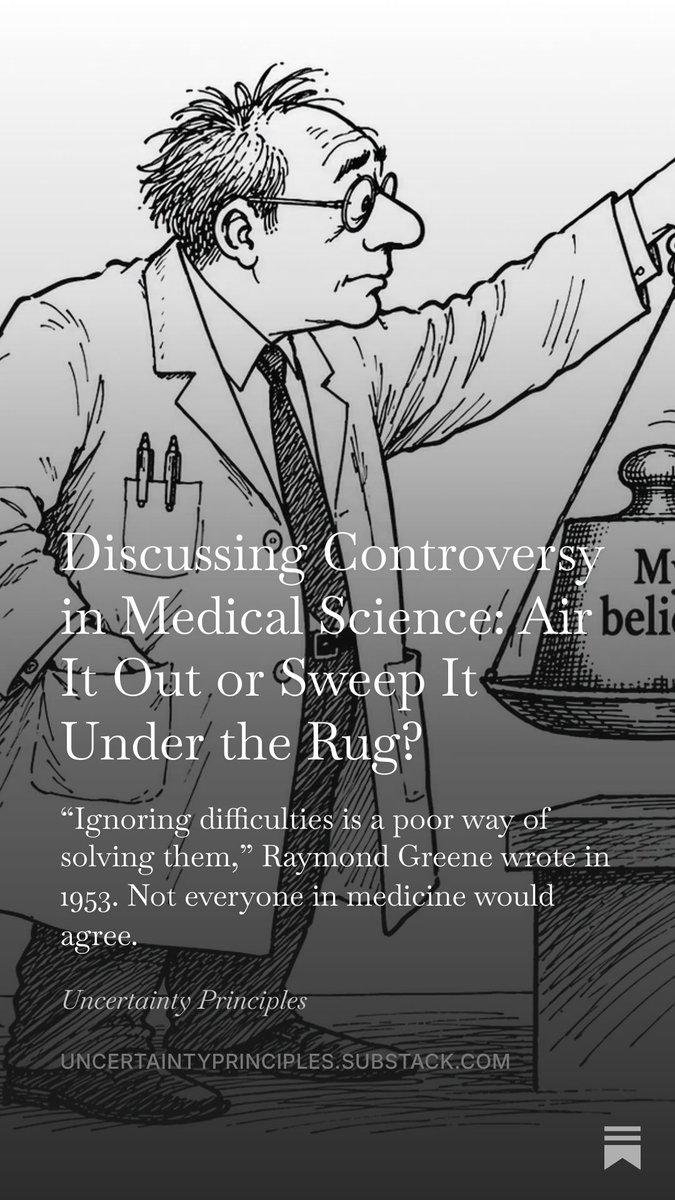
    Once upon a time, not all that long ago, medical authorities thought that the best way to resolve scientific controversies was to air them out, discuss the evidence on both sides, what was known and what was not, and so establish what research was needed to settle the issue. Well, those days may be gone. Now researchers, influential authorities (and, of course, our friends the health reporters) have decided that given the opportunity to review a vitally important subject, their job is to advocate for what they believe, ignore the counterarguments and inconvenient evidence and hope for the best. In my latest Substack, I discuss three very recent examples of this advocacy phenomenon, and compare it to how scientists used to discuss controversial science, back when they were more interested in getting the right answer than establishing their authority.  Discussing Controversy in Medical Science: Air It Out or Sweep It Under the Rug?
    2311184.6K
  8. gary taubes✓@garytaubes
    Once upon a time, not all that long ago, medical authorities thought that the best way to resolve scientific controversies was to air them out, discuss the evidence on both sides, what was known and what was not, and so establish what research was needed to settle the issue. Well, those days may be gone. Now researchers, influential authorities (and, of course, our friends the health reporters) have decided that given the opportunity to review a vitally important subject, their job is to advocate for what they believe, ignore the counterarguments and inconvenient evidence and hope for the best. In my latest Substack, I discuss three very recent examples of this advocacy phenomenon, and compare it to how scientists used to discuss controversial science, back when they were more interested in getting the right answer than establishing their authority.  Discussing Controversy in Medical Science: Air It Out or Sweep It Under the Rug?
    Download
    4211138.5K
  9. Judith Curry✓@curryja
    I remember Marcia McNutts 2015 op-ed in Science "The beyond 2 degree inferno", published when she was Chief Editor of Science. This editorial effectively shut down any chance of publishing a climate science paper in Science that challenged the mainstream narrative. Big shots controlling the climate science agenda to support their personal politics and career advancement has been the norm
    The Honest Broker @RogerPielkeJr
    “Behind the Scenes” at the National Academies New documents reveal stealth advocacy at the heart of America's science academy
    1615348011.6K
  10. The Honest Broker✓@RogerPielkeJr
    “Behind the Scenes” at the National Academies New documents reveal stealth advocacy at the heart of America's science academy
    Download
    94712630.2K
  11. Judith Curry✓@curryja
    This will be very interesting. Hopefully and end to this insanity will be provided by SCOTUS
    Energy In Depth @EnergyInDepth
    Boulder’s Climate Lawsuit Faces Its Biggest Question at SCOTUS: Where Does It Stop? Read more on EID Climate ⬇️
    3281745.4K
  12. Energy In Depth✓@EnergyInDepth
    Boulder’s Climate Lawsuit Faces Its Biggest Question at SCOTUS: Where Does It Stop? Read more on EID Climate ⬇️
    01105.5K
  13. Judith Curry✓@curryja
    A lyrical and beautiful read for a Saturday. With the words "resilience" and "uncertainty", how could I resist reading this
    The Marginalian (formerly Brain Pickings) @brainpickings
    The resilience of uncertainty – how to hold the universe in you
    34394K
  14. Judith Curry✓@curryja
    In context of the many frustrations with recent U.S. Supreme Court decisions and accusations of politicization, I found this article by Justice Scalia to be very illuminating.
    511563.9K
  15. Judith Curry✓@curryja
    Insightful article -- equally applicable to climate science
    Holly Lawford-Smith @aytchellesse
    just published--and open access! (link @ end of thread). i describe a set of strategies academics use to shut down debate: citation practices; topic choices; professional gatekeeping; platform sharing; teaching practices; disciplinary practices. i give examples of all these strategies as they are used within trans philosophy & trans-inclusive feminist philosophy. and then i ask whether a) there can be a moral obligation to deploy some of these 'no debate' strategies on particular topics (e.g. trans, DEI, israel/gaza), and b) if there is, how that personal obligation trades off against our professional obligations as academics. i conclude that philosophy's no-debaters are most likely abusing their professional positions to personal ends. if you just want documentation of how politicized the research practice in one area of academic philosophy has become (in connection with the ongoing discussion about the politicization of the humanities) jump to section 2 (or see screenshots below).
    4371416K
  16. Holly Lawford-Smith✓@aytchellesse
    just published--and open access! (link @ end of thread). i describe a set of strategies academics use to shut down debate: citation practices; topic choices; professional gatekeeping; platform sharing; teaching practices; disciplinary practices. i give examples of all these strategies as they are used within trans philosophy & trans-inclusive feminist philosophy. and then i ask whether a) there can be a moral obligation to deploy some of these 'no debate' strategies on particular topics (e.g. trans, DEI, israel/gaza), and b) if there is, how that personal obligation trades off against our professional obligations as academics. i conclude that philosophy's no-debaters are most likely abusing their professional positions to personal ends. if you just want documentation of how politicized the research practice in one area of academic philosophy has become (in connection with the ongoing discussion about the politicization of the humanities) jump to section 2 (or see screenshots below).
    Download
    2214448825.1K
  17. Judith Curry✓@curryja
    The hazards of "Green Energy", from the perspective of a mining engineer. Very important analysis
    John Lee Pettimore @JohnLeePettim13
    As a miner for 40 years I have worked in various mines around the world. Gold, platinum, copper, coal, lead, zinc, oil and salt. I'm going to tell you something, and here it is. We will destroy the earth in the name of "Green Energy" Follow along and I will explain. 🧵
    1517174635.5K
  18. John Lee Pettimore✓@JohnLeePettim13
    As a miner for 40 years I have worked in various mines around the world. Gold, platinum, copper, coal, lead, zinc, oil and salt. I'm going to tell you something, and here it is. We will destroy the earth in the name of "Green Energy" Follow along and I will explain. 🧵
    2K23.7K51.5K7.2M
  19. Judith Curry✓@curryja
    From the House Judiciary Committee. The chickens are coming home to roost
    11642049.3K
  20. Judith Curry✓@curryja
    "Establishment" climate science is so sick. Note: NASEM refers to the US National Academies on Science, Engineering and Medicine
    The Honest Broker @RogerPielkeJr
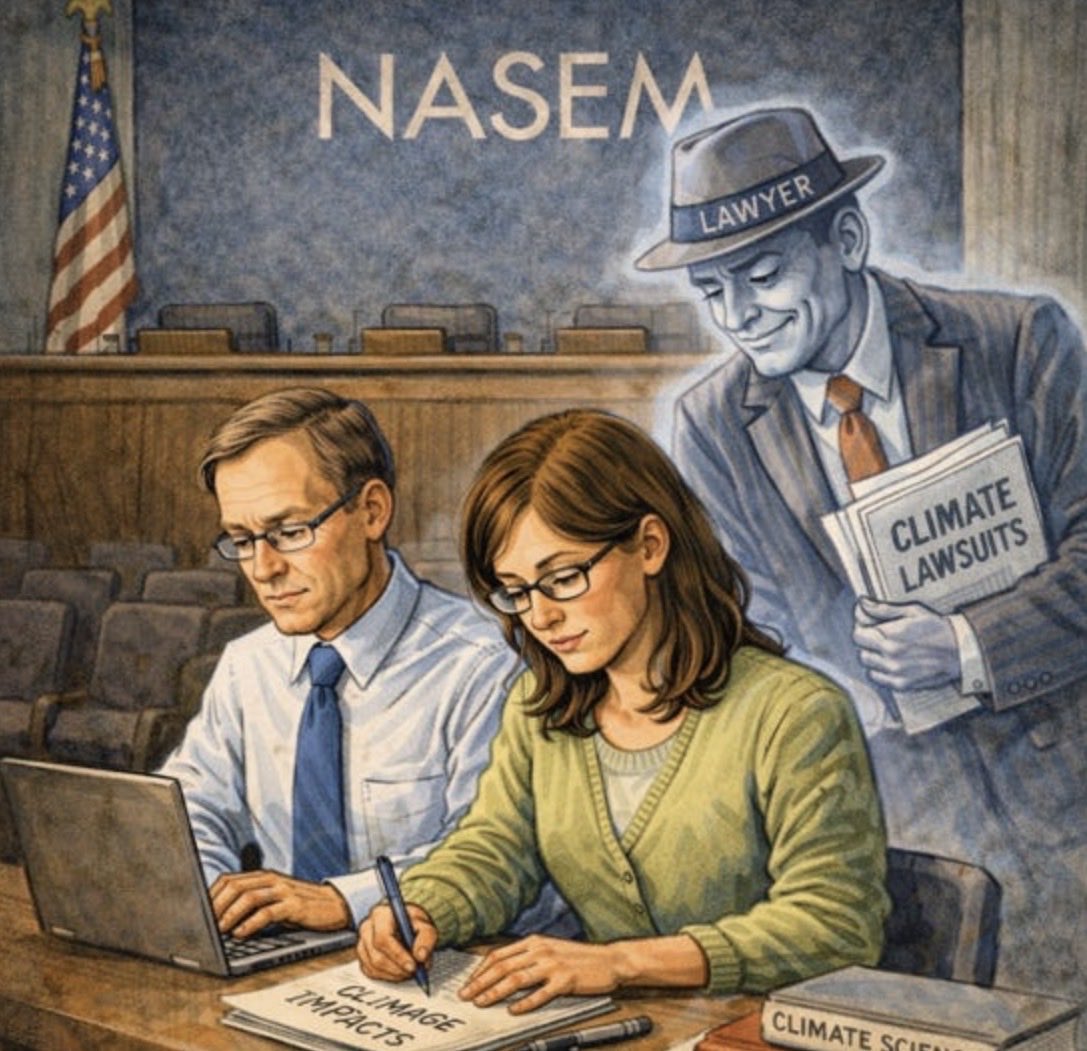
    Wow NASEM scandal gets worse In March I documented that a lawyer representing plaintiffs in climate litigation had ghost written a NASEM/FJC chapter on climate science for federal judges House Judiciary just released a report with the smoking guns It’s even worse than I claimed
    76022511.9K
  21. The Honest Broker✓@RogerPielkeJr
    Wow NASEM scandal gets worse In March I documented that a lawyer representing plaintiffs in climate litigation had ghost written a NASEM/FJC chapter on climate science for federal judges House Judiciary just released a report with the smoking guns It’s even worse than I claimed
    Download
    75015215.9K
  22. Judith Curry✓@curryja
    V. interesting article on the problems with social science
    216775.2K
  23. Judith Curry✓@curryja
    A reminder of some very wise words from Marcus Aurelius
    successmovers @successmoverss
    Marcus Aurelius commanded the most powerful empire on Earth while facing back to back catastrophes: the Antonine Plague, treason by his top general, ongoing border wars, and the deaths of eight of his children. Yet his private journal, Meditations, wasn't a battle plan. It was a manual for not losing his mind. Here is why his exact operating system explains modern paralysis and how he solved it: 🧵
    26476.3K
  24. successmovers✓@successmoverss
    Marcus Aurelius commanded the most powerful empire on Earth while facing back to back catastrophes: the Antonine Plague, treason by his top general, ongoing border wars, and the deaths of eight of his children. Yet his private journal, Meditations, wasn't a battle plan. It was a manual for not losing his mind. Here is why his exact operating system explains modern paralysis and how he solved it: 🧵
    Download
    23208.4K
  25. Judith Curry✓@curryja
    Judith Curry
    RT @ZeyiYang: You really don’t often get stories about China and AI like this one: it has so much subtlety, is culturally on-point, and combines great reporting and excellently writing
    afra wang @afrazhaowang
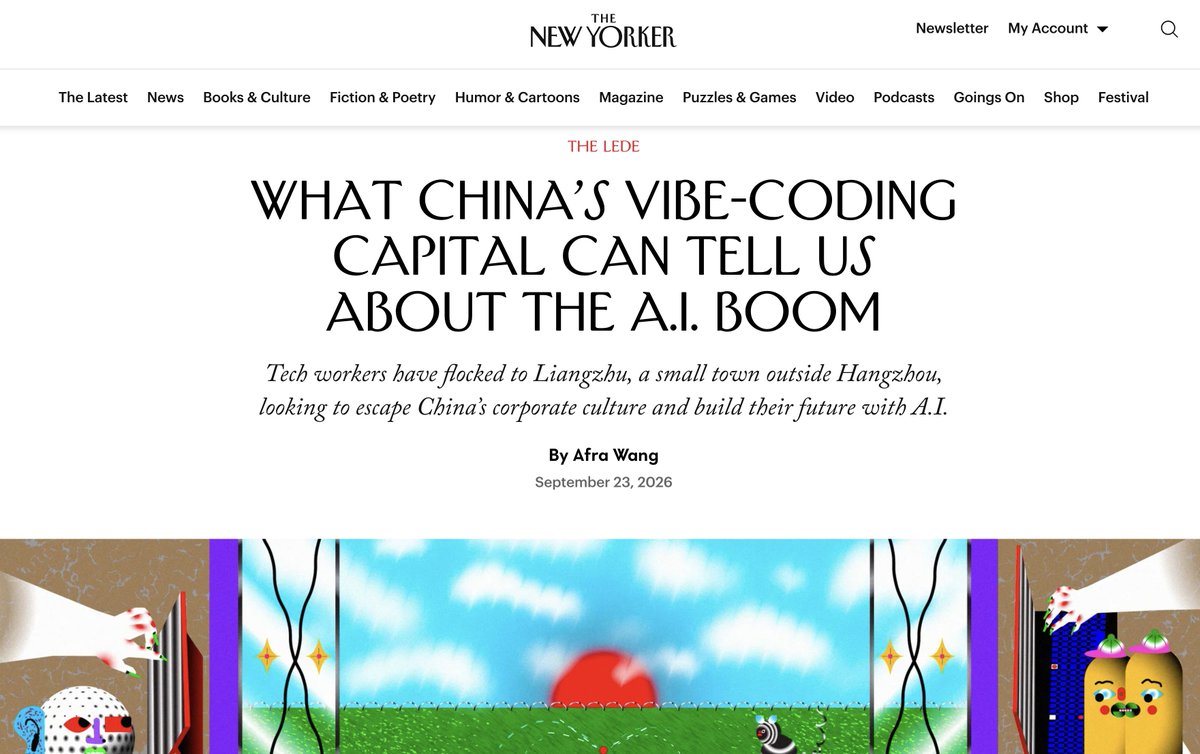
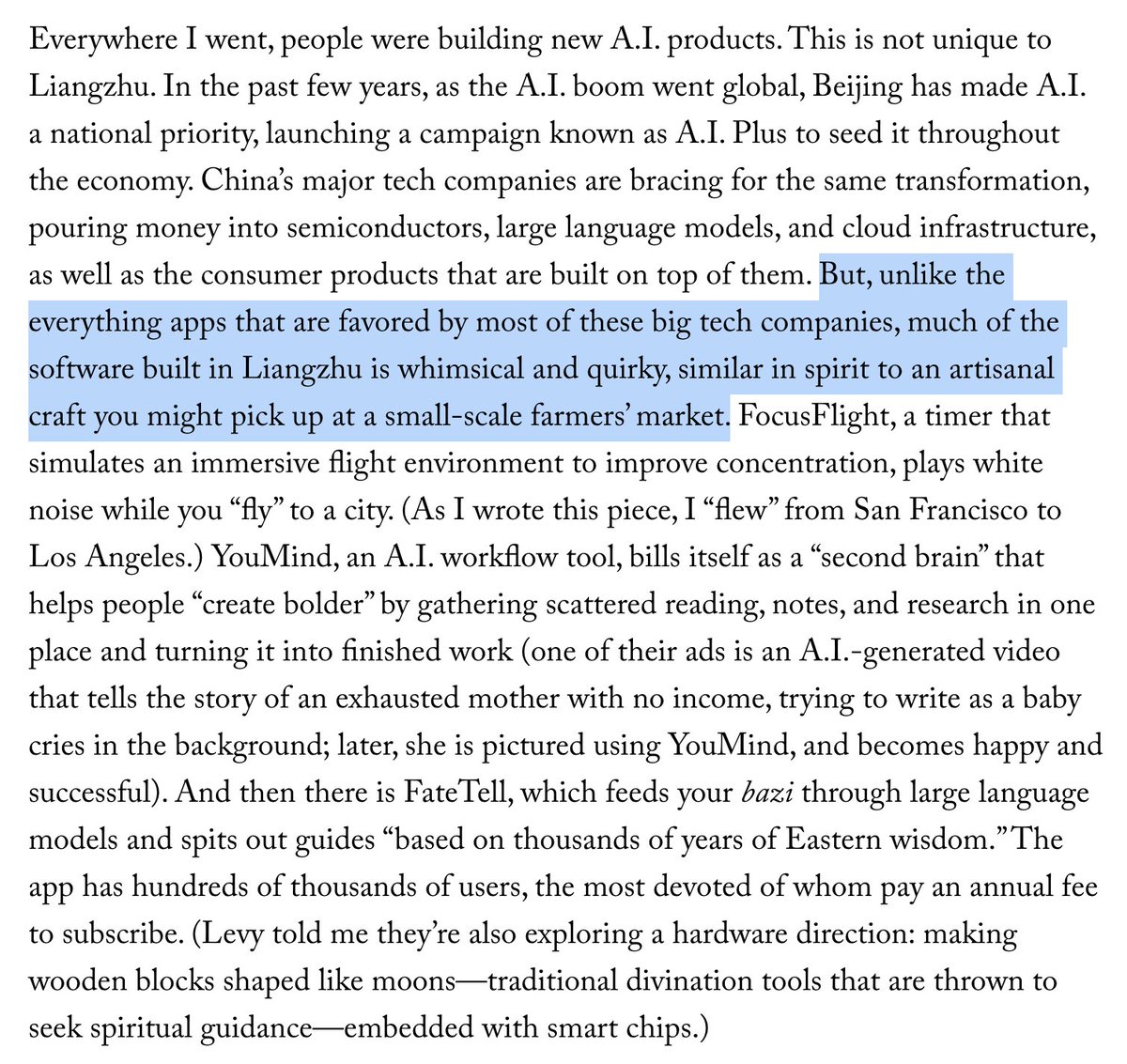
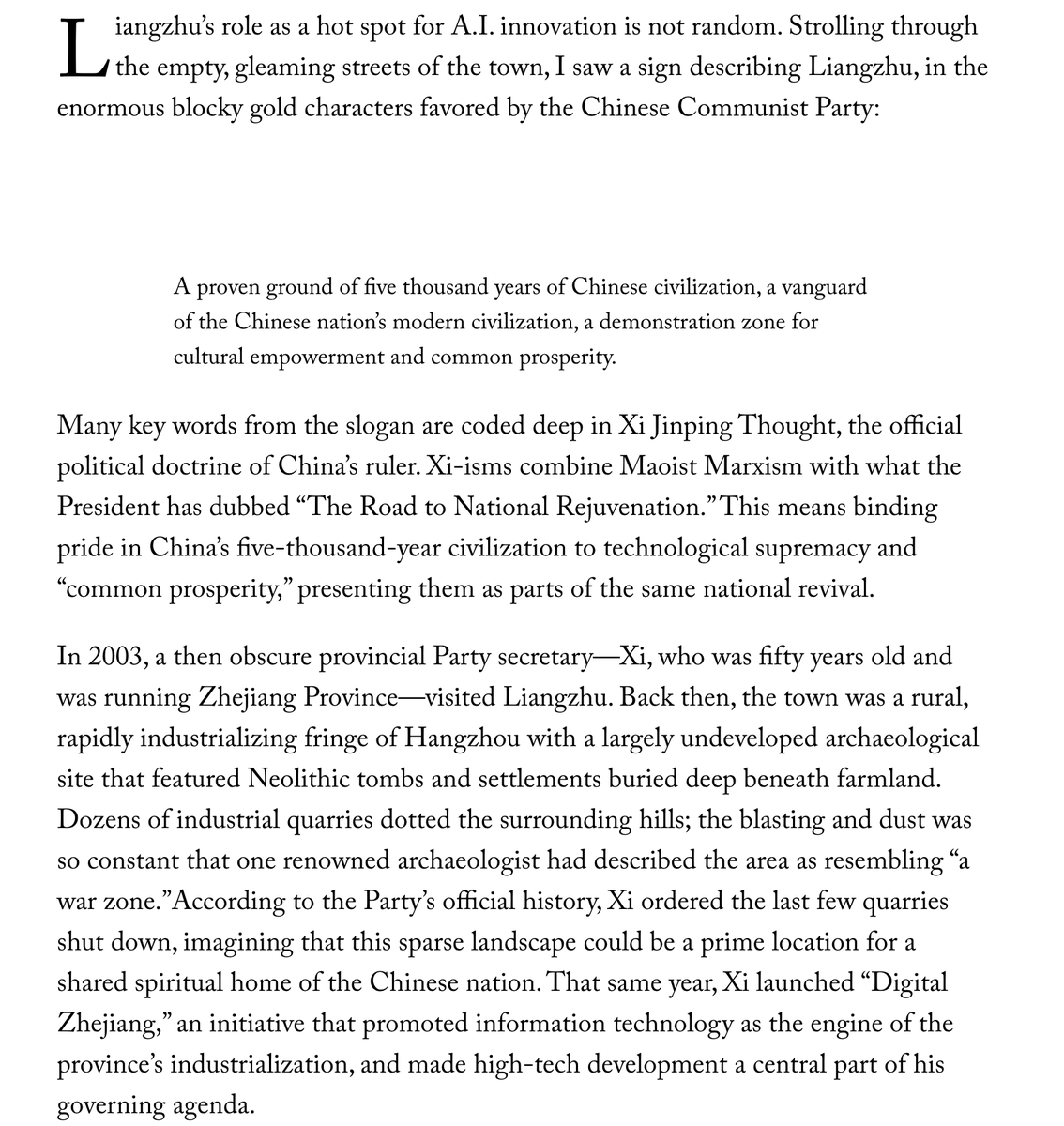
    My first piece for @NewYorker is out today! As Xi Jinping lands in DC to start his state visit, you'll hear a lot about the US-China AI race. I'd like to tell a complementary AI story. This past May, a few days after Trump visited Beijing, I went to the town people call China's vibe-coding capital, Liangzhu. There, you learn that China's AI scene is not monolithic. It's also full of contrarians, cool vibe coders, spiritual seekers, and people who love AI but refuse to join the 996 grind. Liangzhu is on the edge of Hangzhou. I hung out with a group of anti-mainstream builders who use AI to make whimsical apps for fortune-telling, mental well-being, and creativity. Some of them run their lives entirely by bazi astrology (their founder almost became a Taoist monk). They meet on "Crazy Thursday" to vibe-code together. Rent is cheap, so they can get a bigger place with a living room to have friends over (unthinkable in Beijing or Shenzhen). In Liangzhu, they want to use AI to forge their own future. It’s a ground-level story—less about model capabilities, hyperscalers, or AI policy, and more about how people in China are using AI, and the human stories behind it.
    0250552
  26. afra wang✓@afrazhaowang
    My first piece for @NewYorker is out today! As Xi Jinping lands in DC to start his state visit, you'll hear a lot about the US-China AI race. I'd like to tell a complementary AI story. This past May, a few days after Trump visited Beijing, I went to the town people call China's vibe-coding capital, Liangzhu. There, you learn that China's AI scene is not monolithic. It's also full of contrarians, cool vibe coders, spiritual seekers, and people who love AI but refuse to join the 996 grind. Liangzhu is on the edge of Hangzhou. I hung out with a group of anti-mainstream builders who use AI to make whimsical apps for fortune-telling, mental well-being, and creativity. Some of them run their lives entirely by bazi astrology (their founder almost became a Taoist monk). They meet on "Crazy Thursday" to vibe-code together. Rent is cheap, so they can get a bigger place with a living room to have friends over (unthinkable in Beijing or Shenzhen). In Liangzhu, they want to use AI to forge their own future. It’s a ground-level story—less about model capabilities, hyperscalers, or AI policy, and more about how people in China are using AI, and the human stories behind it.
    Download
    491941.2K185K
  27. Judith Curry✓@curryja
    Fascinating read
    Mike Sowden @Mikeachim
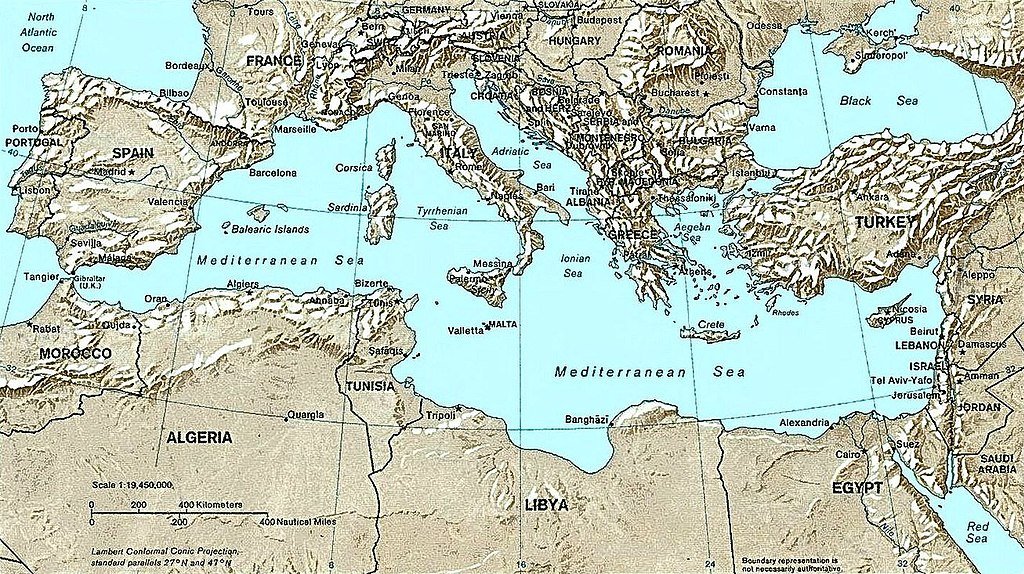
    A while back, I learned something mindblowing about the geological history of the Mediterranean Sea, and I just can't get it out of my head. Now I'm going to make it *your* problem too. Sorry. Hang onto your hat. This gets wild. 1/
    71512215.2K
  28. Mike Sowden@Mikeachim
    A while back, I learned something mindblowing about the geological history of the Mediterranean Sea, and I just can't get it out of my head. Now I'm going to make it *your* problem too. Sorry. Hang onto your hat. This gets wild. 1/
    Download
    2861.1K12K3.1M
  29. Judith Curry✓@curryja
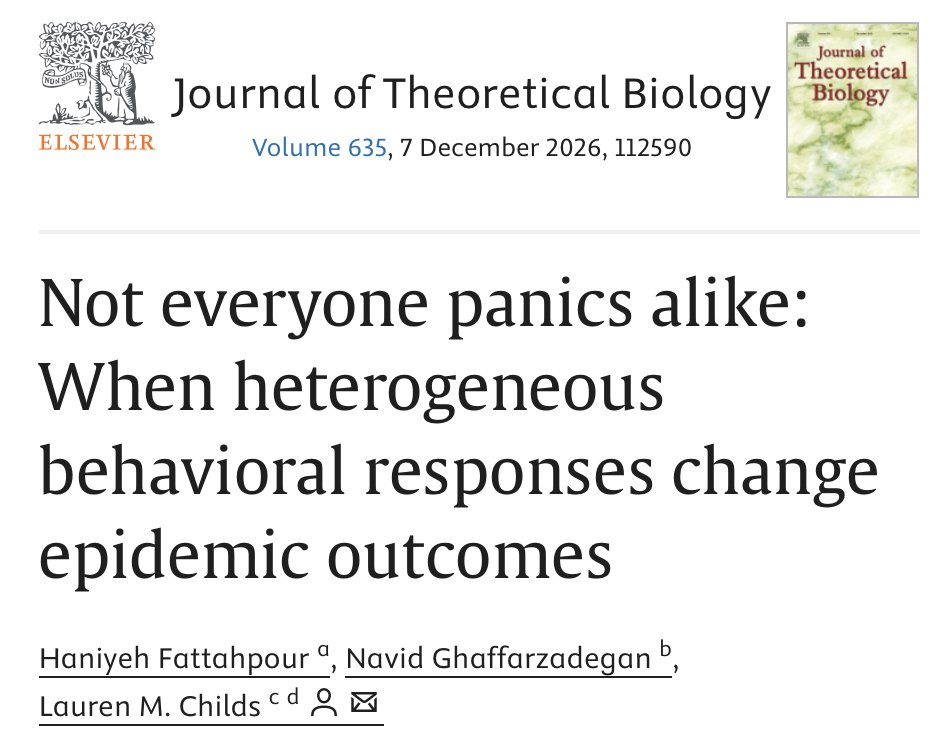
    Fascinating paper on epidemiology and behavioral responses. Shows how different responses can create rising immunity from less vulnerable populations hence protecting more vulnerable populations.
    Download
    18413.1K
  30. Judith Curry✓@curryja
    Academic climate bureaucracy at its "finest". 174 coauthors, published in Nature.
    20281809.2K
  31. Judith Curry✓@curryja
    Raising an important issue re the NetZero movement
    Ross McKitrick @RossMcKitrick
    Two important essays were published this week on the theme that the climate movement is now a serious national security risk for the US and Europe. This one in Tablet magazine: is by 2 authors, one from the Hudson Inst in DC and the other a professor at the Naval Postgrad Academy in CA. They trace the links between China and the western Net Zero movement, which is partly financial, but works mostly through influence operations by which the CCP gains exemption from criticism by western green groups despite its own coal-intensive and slave labor-dependent growth strategy. This one: is by Richard Dearlove, former head of MI5, explaining how China's influence ops in the UK led to deindustrialization and a precarious dependence on China; to the extent that the UK could not now reindustrialize or stabilize its electricity grid without seeking assistance from Beijing. Dearlove's paper raises the possibility that a security agency like MI5 saw a threat building but was unable to address it because of a perception that climate science forbids criticizing Net Zero and related measures. A question I think worth asking is whether western intelligence agencies have internalized the green Net Zero mindset thereby preventing them from challenging the climate alarmism so effectively weaponized by the CCP. And if they now want to start doing so, would they know how, or have the capacity to do so.
    1710445927.3K
  32. Ross McKitrick✓@RossMcKitrick
    Two important essays were published this week on the theme that the climate movement is now a serious national security risk for the US and Europe. This one in Tablet magazine: is by 2 authors, one from the Hudson Inst in DC and the other a professor at the Naval Postgrad Academy in CA. They trace the links between China and the western Net Zero movement, which is partly financial, but works mostly through influence operations by which the CCP gains exemption from criticism by western green groups despite its own coal-intensive and slave labor-dependent growth strategy. This one: is by Richard Dearlove, former head of MI5, explaining how China's influence ops in the UK led to deindustrialization and a precarious dependence on China; to the extent that the UK could not now reindustrialize or stabilize its electricity grid without seeking assistance from Beijing. Dearlove's paper raises the possibility that a security agency like MI5 saw a threat building but was unable to address it because of a perception that climate science forbids criticizing Net Zero and related measures. A question I think worth asking is whether western intelligence agencies have internalized the green Net Zero mindset thereby preventing them from challenging the climate alarmism so effectively weaponized by the CCP. And if they now want to start doing so, would they know how, or have the capacity to do so.
    503731.1K185K
  33. Judith Curry✓@curryja
    Very interesting insights from a DOGE insider
    37446.5K
  34. Show more posts