Posts with #ACVC26

#ACVC26

Public posts on X that use #ACVC26.

Related hashtags

  1. Dr. Chacón-Lozsán F .'.✓@franciscojlk
    ⚡ #ACVC26 — Ventricular Tachycardia: Is it time for earlier ablation? A very insightful session explored one of the key evolving questions in electrophysiology: 👉 When should we perform VT ablation? 🔍 Key takeaways: 1. Timing must be individualized • Based on etiology (ischemic vs NICM) • Clinical status and patient profile 2. In ischemic VT: • Ablation is no longer only a “last resort” • Early ablation may reduce recurrence and limit amiodarone exposure 3. In NICM: • Evidence remains limited • Strategy depends on substrate and genotype. 📊 Emerging evidence: • VANISH-2 (2025) → ablation improved outcomes vs antiarrhythmic drugs • PARTITA (2022) → early ablation after first ICD shock reduced death/HF. ⚠️ Important concept: 👉 VT management is a continuum • Acute phase → suppress arrhythmia (drugs) • Subacute phase → define definitive therapy (ablation/ICD). 💊 Amiodarone remains the cornerstone in acute settings, especially in electrical storm. 🎯 Final message: 👉 Ablation is moving earlier—but not for everyone 👉 Precision and timing are key #ACVC26 #Electrophysiology #Cardiology #VT #Arrhythmia
    Download
    111322.5K
  2. Dr. Chacón-Lozsán F .'.✓@franciscojlk
    🫀 “PE is the new STEMI” — but are we treating it too aggressively? One of the most thought-provoking sessions at #ACVC26 challenged the growing enthusiasm for catheter-directed therapies. The message was clear: 👉 Not every PE needs intervention In fact, most patients do well with anticoagulation alone The real challenge is not how to treat— 👉 but who to treat ⚠️ Current risk scores don’t capture the full picture 🛫 More evidence is underway. We need to move toward: • Better understanding of RV failure • Early identification of decompensation • Truly individualized decision-making 🚨 Until then: 👉 Avoid “wild” use of catheter-based therapies #ACVC26 #CardioTwitter #CriticalCare #PulmonaryEmbolism
    Download
    33410511.7K
  3. Dr. Chacón-Lozsán F .'.✓@franciscojlk
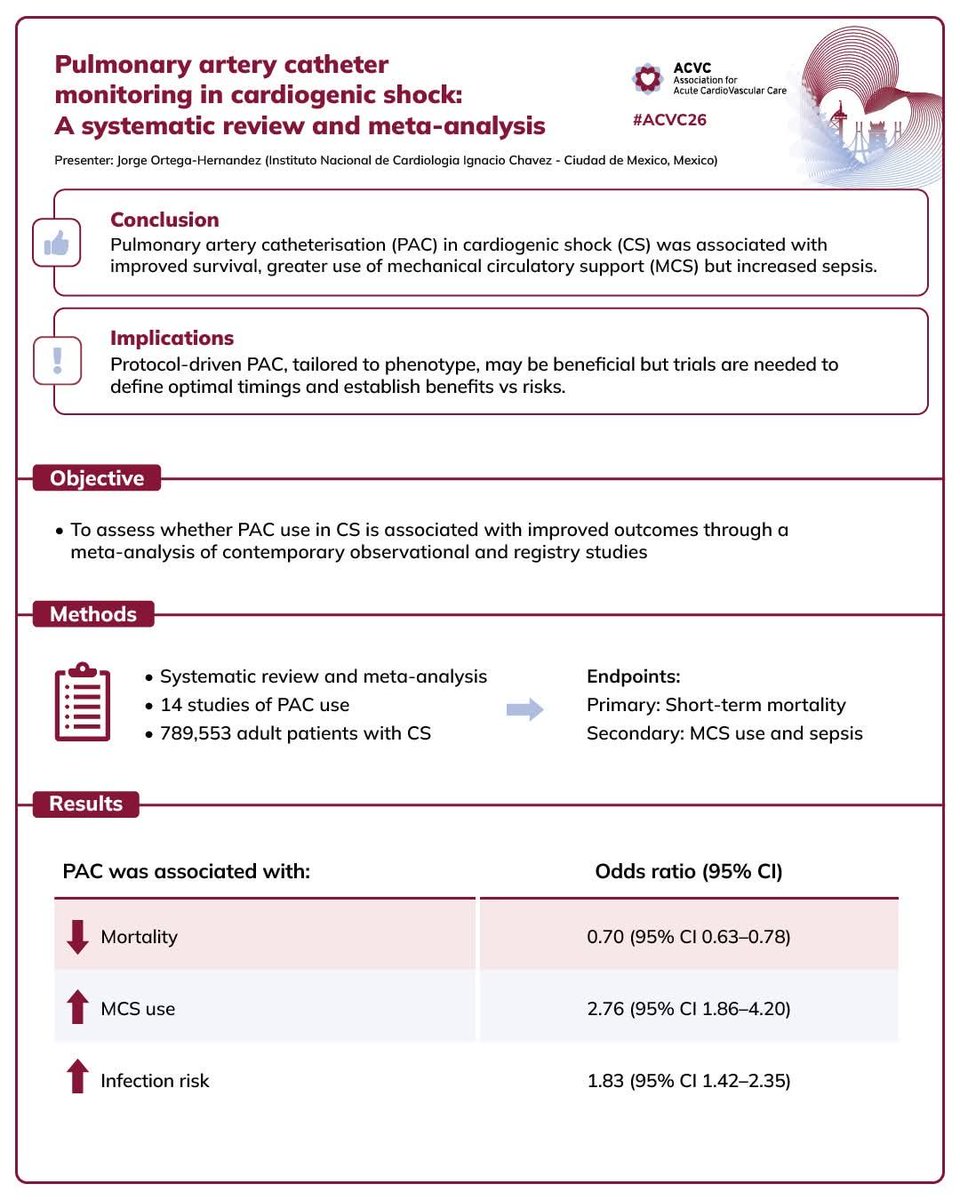
    Pulmonary artery catheter in cardiogenic shock: back in the game? #ACVC26. A large meta-analysis (14 studies, ~790k patients) suggests that PAC-guided management in cardiogenic shock is associated with: ✔️ ↓ Mortality (OR 0.70) ✔️ ↑ Use of mechanical circulatory support (OR 2.76) ⚠️ ↑ Infection/sepsis risk (OR 1.83). 🧠 Clinical perspective This is not just about monitoring, it’s about decision-making. PAC may: • Improve hemodynamic phenotyping • Enable earlier and more appropriate MCS escalation • Shift care from reactive → protocol-driven precision management BUT: ⚠️ Observational data → strong risk of selection bias ⚠️ Benefit likely depends on center expertise & structured protocols ⚠️ Signal of increased infections cannot be ignored. 📌 Take-home PAC is not obsolete—it is underutilized and misunderstood. The future is not “PAC vs no PAC”, but: 👉 Who, when, and how to use PAC in cardiogenic shock Randomized trials are urgently needed. #CardiogenicShock #Hemodynamics #CriticalCare #Cardiology #MCS #ACVC
    Download
    212427.2K
  4. Konstantin Krychtiuk@krychtiukmd
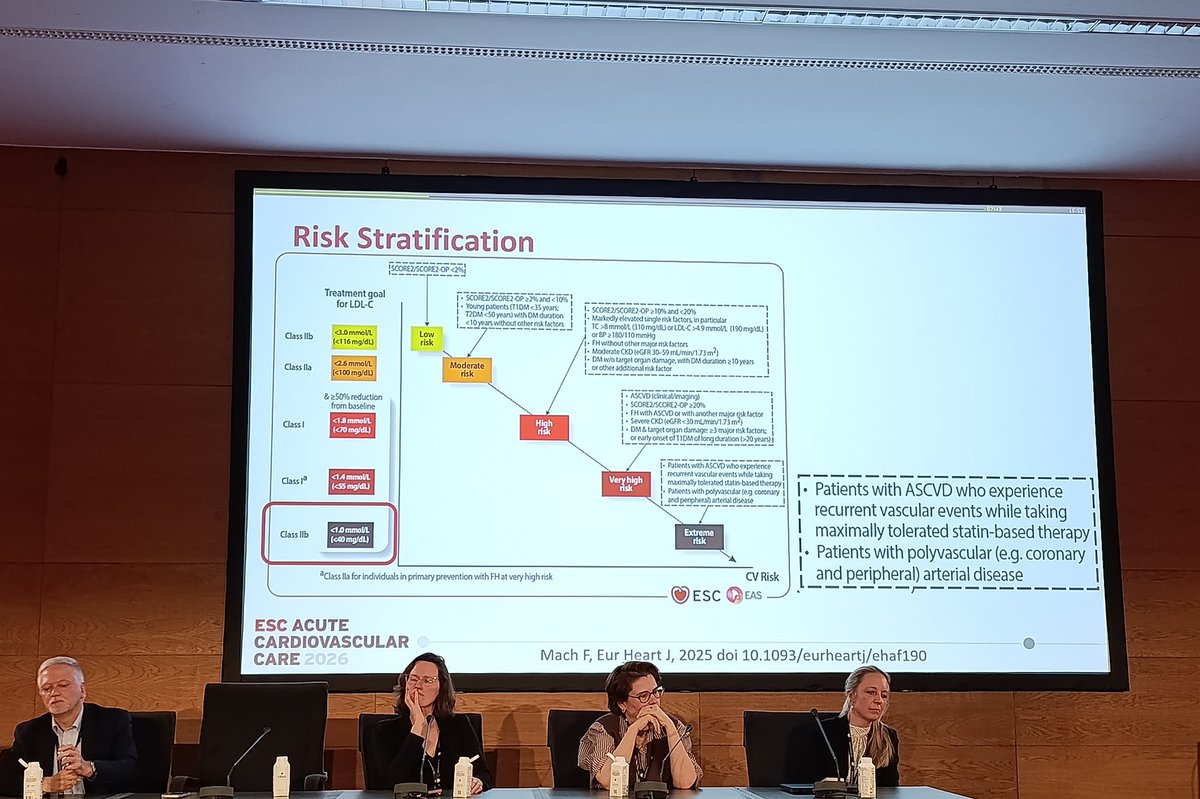
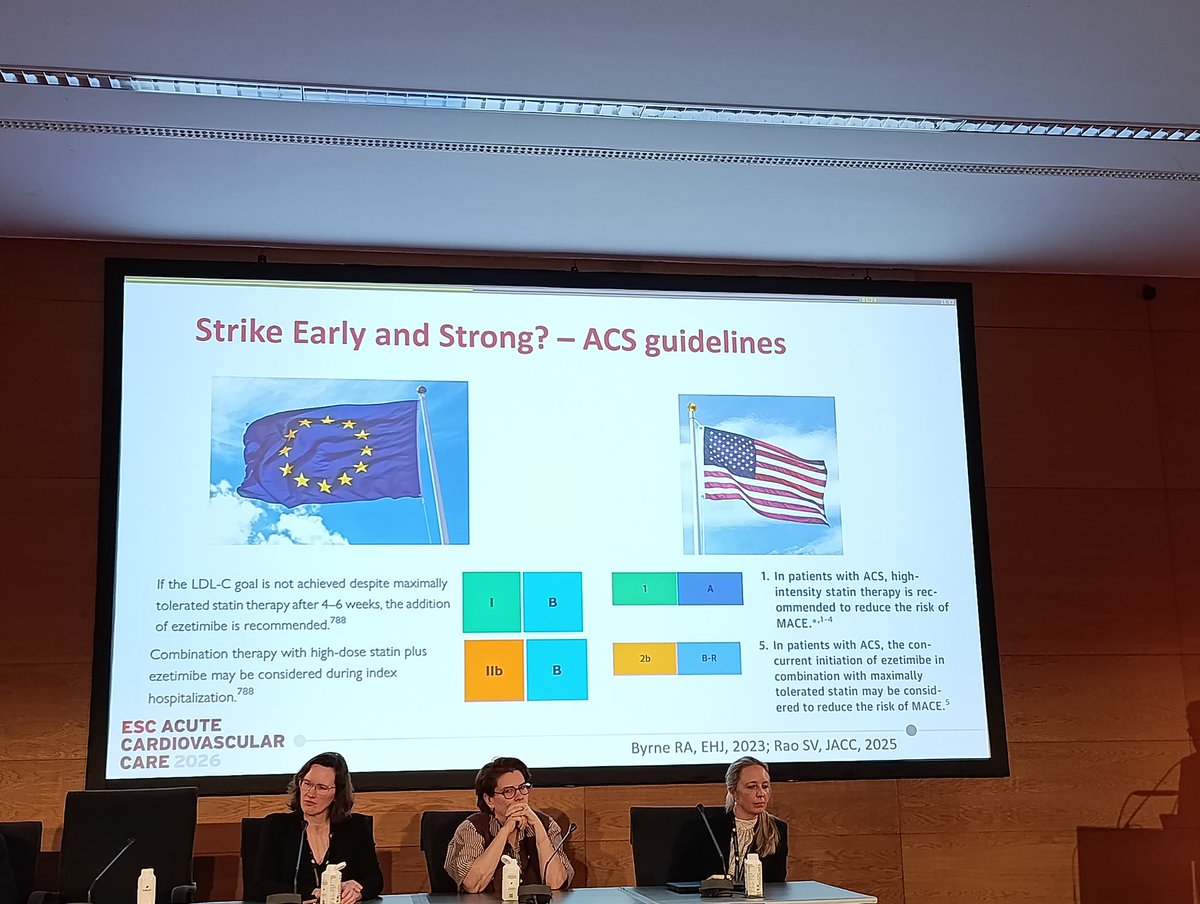
    It was an honor to present my thoughts at #ACVC26 on what the acute cardiologist needs to know about dyslipidemia - my take out: - Define risk categroy and LDL-C target in hospital - Estimate requires LDL-C lowering - Initiate dual or triple lowering therapy in hospital!
    Milica Aleksic @drmilicaa
    Excellent presentation about updates on dyslipidemia management by @krychtiukmd Strike early and strong ? #ACVC26 @escardio @ACVCPresident @HannahSchaubro1 @sighalvo @Sofiegevaert @JaninePoss
    18192.6K
  5. Dr. Chacón-Lozsán F .'.✓@franciscojlk
    🫀 #ACVC26 Day 2 Review (Pulmonary Hypertension & Shock Physiology Focus) 🧠 1. Acute Decompensated Pulmonary Hypertension (PAH) , The “hardest nut” 🔑 Core message: 👉 RV failure = the central problem 👉 Not lung, not LV → RIGHT VENTRICLE ⚠️ Key concepts: RV is thin-walled → not designed for afterload Acute PAP increase → rapid RV collapse Coronary perfusion of RV becomes diastolic-dependent ⚠️ 2. Prognosis: worse than we assume 📊 Takeaways: Mortality significantly higher in PH patients (~37% vs 25%) ICU PAH patients → very poor survival OPALS-like risk markers: Low P/F ratio High lactate Hyponatremia Thrombocytopenia 👉 This is not a benign ICU subgroup 🔬 3. Pathophysiology of RV failure is more complex than “pressure overload” 🧬 Mechanisms: Fibrosis Mitochondrial dysfunction Inflammation Sarcomeric abnormalities Hormonal influence 👉 RV failure = systemic disease, not just hemodynamics 🫀 4. Hemodynamics redefined – RV perfusion & coupling 🔑 Critical concepts: RV perfusion shifts → diastolic dominant RV-PA coupling: Ees (contractility) Ea (afterload) Coupling = Ees/Ea 👉 When coupling fails → RV collapse 🔄 5. PV loop interpretation is clinically powerful 📈 Patterns: Pressure overload → tall, narrow loop Volume overload → wide loop Hypocontractility → flattened loop 👉 PV loops = real-time physiology visualization ⚠️ 6. Organ failure in RV shock = venous congestion problem 🔑 Message: 👉 Not just low CO → high venous pressure kills organs Liver → congestive hepatopathy / ischemia Kidney → congestion + low perfusion 👉 CVP is not just a number → it is pathophysiology 🚑 7. Management strategy – simple but unforgiving 🧭 Stepwise approach: 1️⃣ Identify & treat cause of ↑PAP 2️⃣ Optimize preload (avoid both hypo- & overload) 3️⃣ Maintain MAP & coronary perfusion 4️⃣ Reduce RV afterload (key step) ⚡ GLOBAL TAKE-HOME FROM TODAY 🧠 Conceptual shift: 👉 Shock ≠ LV failure 👉 Shock ≠ MAP problem 👉 Shock = interaction between: RV function Afterload (PAP) Venous congestion Microcirculation 🔥 Clinical pearls: High CVP is not reassuring → it is dangerous Fluids in RV failure can kill the patient Vasopressors ≠ always beneficial → must preserve RV perfusion Pulmonary vasodilation can be life-saving PV loops may become next-gen bedside tool (AI integration?) 👉 We are entering a new era: From: LV-centric shock models Static numbers (MAP, CVP) To: RV-centric physiology Dynamic coupling (Ees/Ea) Organ congestion + microcirculation
    Download
    07161.3K
  6. Dr. Chacón-Lozsán F .'.✓@franciscojlk
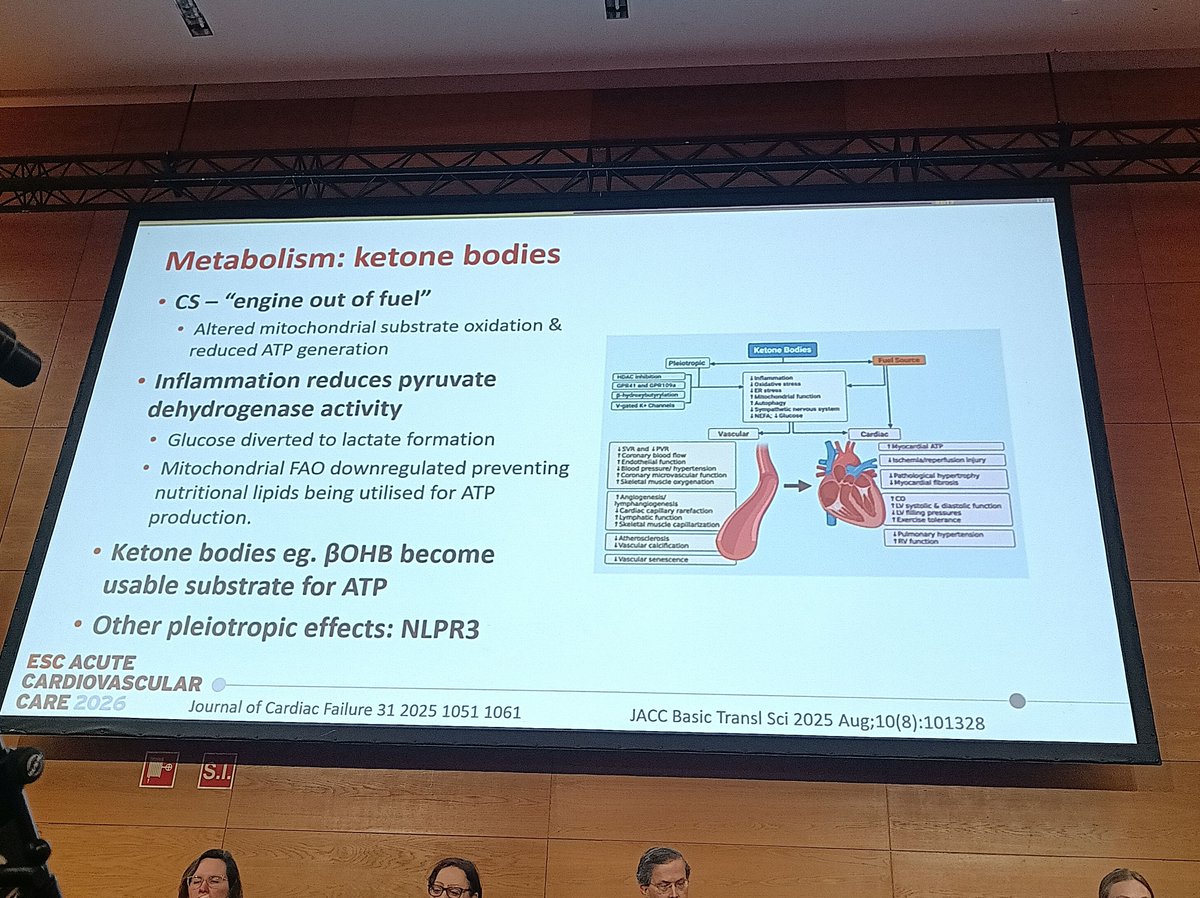
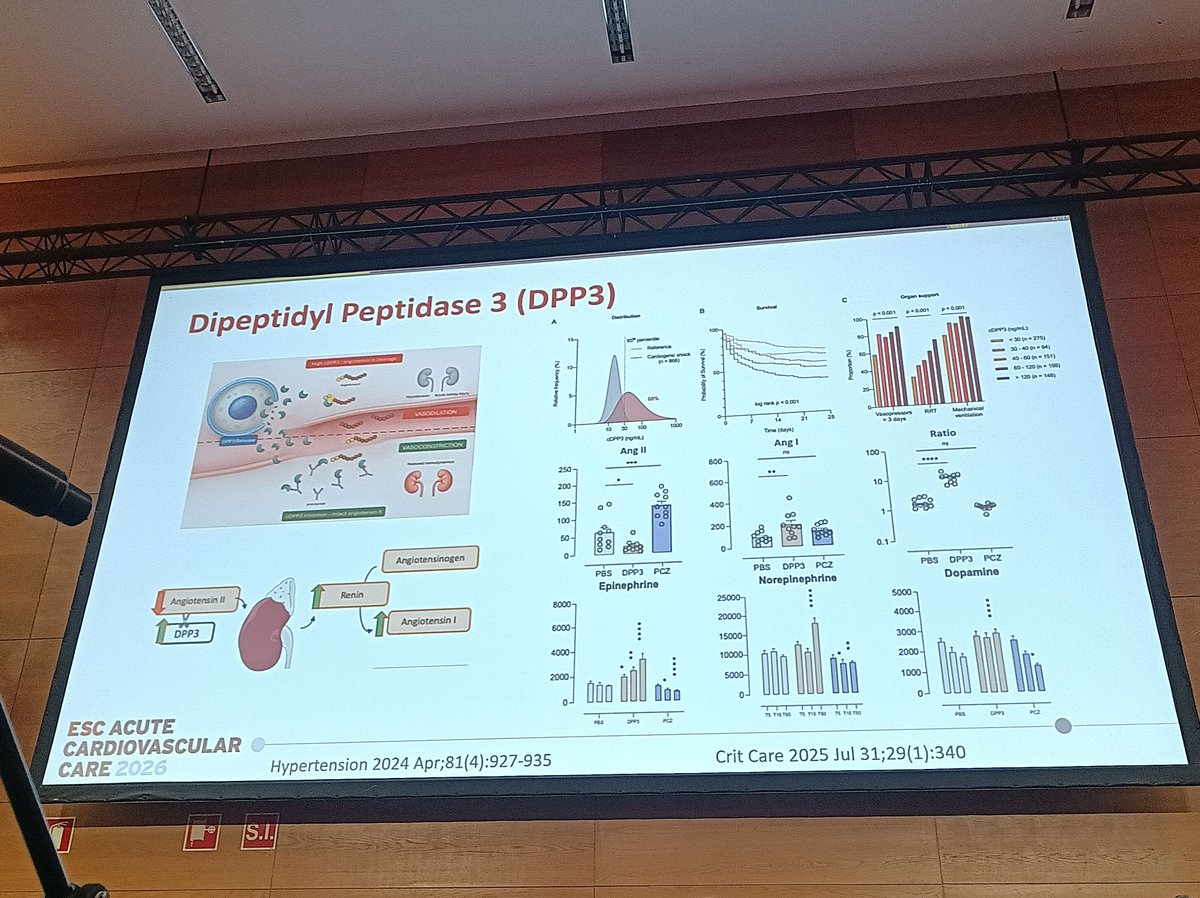
    #ACVC26 Inflammation & metabolism in cardiogenic shock A powerful session highlighting a critical shift in our understanding of cardiogenic shock: 👉 It is not only hemodynamic failure — it is also an inflammatory and metabolic disease. 🔬 Key insights: Inflammation is central → cytokine activation, endothelial dysfunction, and organ injury Immune and metabolic dysregulation are tightly linked (e.g., NLRP3 pathways) Up to 25% of patients develop mixed shock, with significantly worse outcomes ⚠️ Major unmet needs: Mortality still 30–50% Limited understanding of underlying biology No therapies currently targeting the biological drivers 🧪 Emerging directions: Biomarker-driven phenotyping (e.g., cDPP3 as a potential target) Early-phase trials targeting DPP3 pathways (ProcARD2a) Metabolic modulation → ketone bodies as alternative energy substrates Precision nutrition strategies (e.g., ketogenic approaches under investigation) 🚧 Challenges: Patient heterogeneity (AMI vs HF vs mixed shock) Narrow therapeutic windows Interaction with MCS and critical care interventions 🚀 The future: 👉 Biology-based classification of cardiogenic shock 👉 Integration of AI, biomarkers, and hemodynamics 👉 Adaptive precision medicine trials 💡 Take-home message: To improve survival, we must move beyond supporting circulation → and start targeting the biology of shock. #ACVC26 #CardiogenicShock #CriticalCare #Inflammation #PrecisionMedicine #TranslationalMedicine
    Download
    13121.9K
  7. European Society of Cardiology✓@escardio
    Register for #ACVC26 before the deadline. From presentations with experts to interactive practice with live simulations, workshops and gaming sessions - gain the skills you need to succeed in your daily practice. Sign up by 20 January to save the most: @ACVCPresident #ACVC_ESC
    Download
    0361.5K
  8. Anna Oleksiak, MD PhD, Asst. Prof.@ann_oleksiak
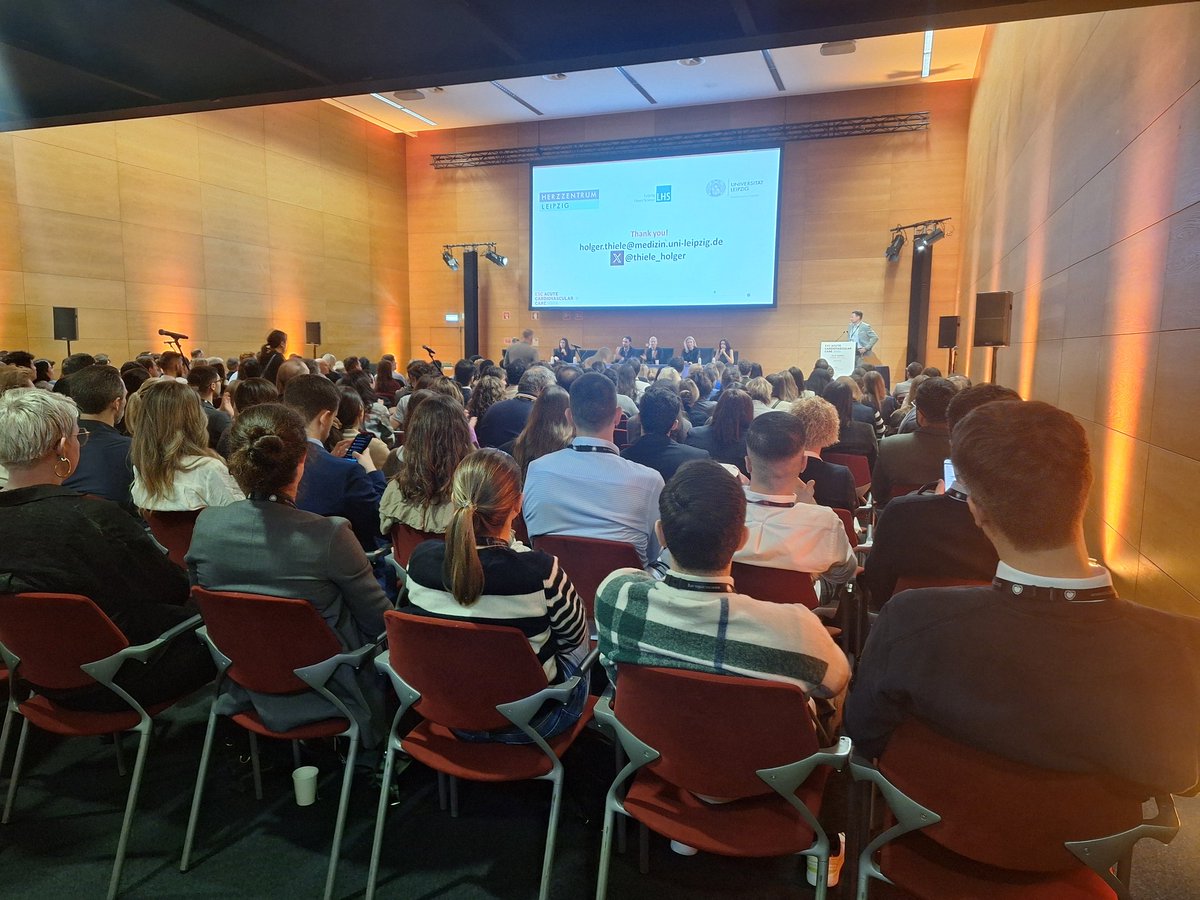
    Full room of people at #ACVC26 session "The cardiogenic shock aftermath"! This is truly HOT SESSION! Complications and management of #MCS, #LVAD in context of patient selection and timing, life after the #CS & difficult end-of-life decisions in #ICU. Enjoy this session!
    Download
    005171
  9. Dr. Chacón-Lozsán F .'.✓@franciscojlk
    ACVC 2026 | Not all high risk pulmonary embolism is equal. A key message from #ACVC26: 👉 High risk PE is not a single entity, there is major heterogeneity in presentation, physiology, and response to therapy. ⚠️ Guidelines vs real-world complexity According to ESC 2019: • Immediate anticoagulation • Systemic thrombolysis → first-line therapy (Class I, Level B) • Surgical embolectomy → second-line • Catheter-directed therapy (CDT) → third-line ➡️ However, this linear model does not reflect clinical reality 🚨 Limitations of systemic thrombolysis Key concerns highlighted: • Not always fast enough in critical patients • Variable effectiveness on clot burden • Significant bleeding risk • Many patients have contraindications 📊 Important insight: 👉 Up to ~1/3 of PE patients have contraindications to fibrinolysis ➡️ Leading to underuse even in eligible cases 🧠 Not all high-risk PE behaves the same New paradigm (AHA/ACC 2026): High-risk PE spectrum includes: • D1 → transient hypotension • D2 → normotensive shock • E1 → persistent hypotension • E2 → refractory shock / cardiac arrest ➡️ Particularly important: Normotensive shock = high risk despite “normal BP” 🔄 Treatment failure must be anticipated Clinical warning: • Lack of improvement within 24–48h after anticoagulation • No response 2–4h after thrombolysis ➡️ Should trigger escalation ⚙️ Catheter-directed therapies (CDT) Emerging central role: • Can be used early in selected patients • Especially when: Thrombolysis contraindicated Thrombolysis failure Rapid deterioration Algorithm highlights: • Early CDT after indication established • Can follow systemic thrombolysis if insufficient response • Requires PERT-based decision making. 🚀 Mechanical thrombectomy (CAVT) Highlighted as a promising strategy: Advantages: • Rapid clot removal • Immediate hemodynamic improvement • Lower bleeding risk vs systemic lysis Potential benefits of medium-bore devices: • Better distal reach • Lower vascular complications • Faster procedures • Reduced blood loss 🎯 Beyond pulmonary embolism CAVT applications extend to: • STEMI with high thrombus burden • Peripheral arterial embolism • Deep vein thrombosis • Ischemic stroke ➡️ Suggesting a broader paradigm shift in thrombosis management 🎯 Take-home message High-risk PE is not uniform. • Risk stratification must be dynamic • Normotensive shock is critical to recognize • Thrombolysis is not always sufficient or safe • Early escalation and device-based therapies are key 👉 We are moving from a “one-size-fits-all” to a personalized, physiology-driven approach #ACVC26 #PulmonaryEmbolism #InterventionalCardiology #CriticalCare #Thrombectomy #Shock #ESC
    Download
    1236124.9K
  10. Anna Oleksiak, MD PhD, Asst. Prof.@ann_oleksiak
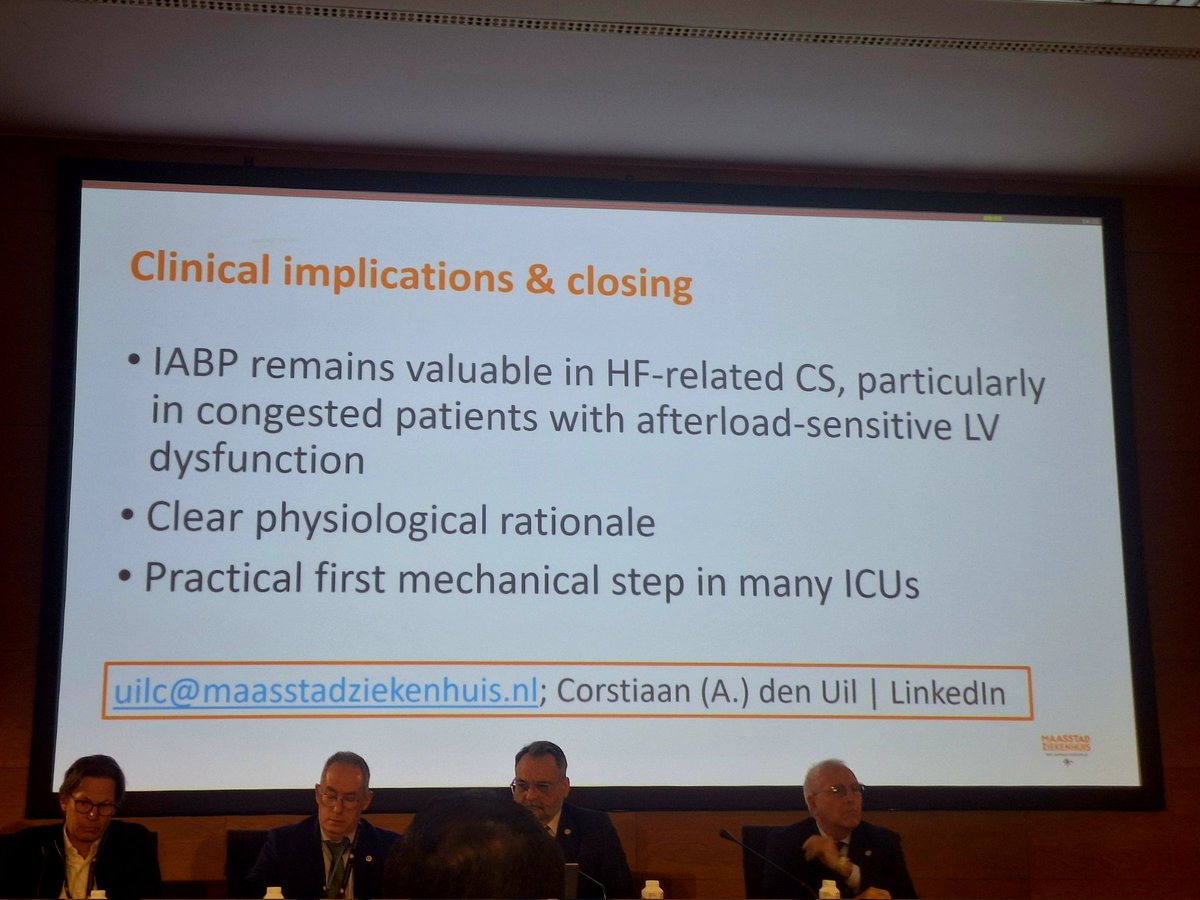
    "Deep dive into altered physiology during temporary mechanical circulatory support" session during #ACVC26 was exciting! 👉 Alessandro Sionis & mirko belliato as chairs 👉 speakers: Corstiaan (A.) den Uil, Jacob Eifer Møller, Alain Combes, Jan Bělohlávek & Roberto Lorusso
    Download
    24282.6K
  11. European Society of Cardiology✓@escardio
    #ACVC26 abstract submission deadline extended, giving you more time to share your work & shape practice in acute care. Bring your science to a community built on teamwork, learning, and action. Deadlines: Abstracts: 4 November | Clinical cases: 6 November #ACVC_ESC @ACVCPresident
    Download
    09122.8K
  12. Anna Oleksiak, MD PhD, Asst. Prof.@ann_oleksiak
    ✅️ VA-ECMO increases LV afterload due to retrograde flow and may leads to ↑ LVEDP, ↑ PCWP, and risk of pulmonary edema ✅️ PCWP may rises with increasing ECMO flow - consider unloading, especially in: LV dilation, significant MR, preserved RV function, elevated CVP #ACVC26
    Download
    24115613.1K
  13. European Society of Cardiology✓@escardio
    #ACVC26 puts you at the centre of the action: • Immersive acute cases with access to experts • Multidisciplinary Heart Team discussions • Turning evidence into practice across key acute conditions • Hands-on haemodynamics workshops Register before 19 February to save #ACVC_ESC @ACVCPresident
    Download
    0061.3K
  14. Show more posts