Posts with #Entropy
#Entropy
Public posts on X that use #Entropy.
Related hashtags


AtNovocaines💕@AtNovocaine_01231995963.4K
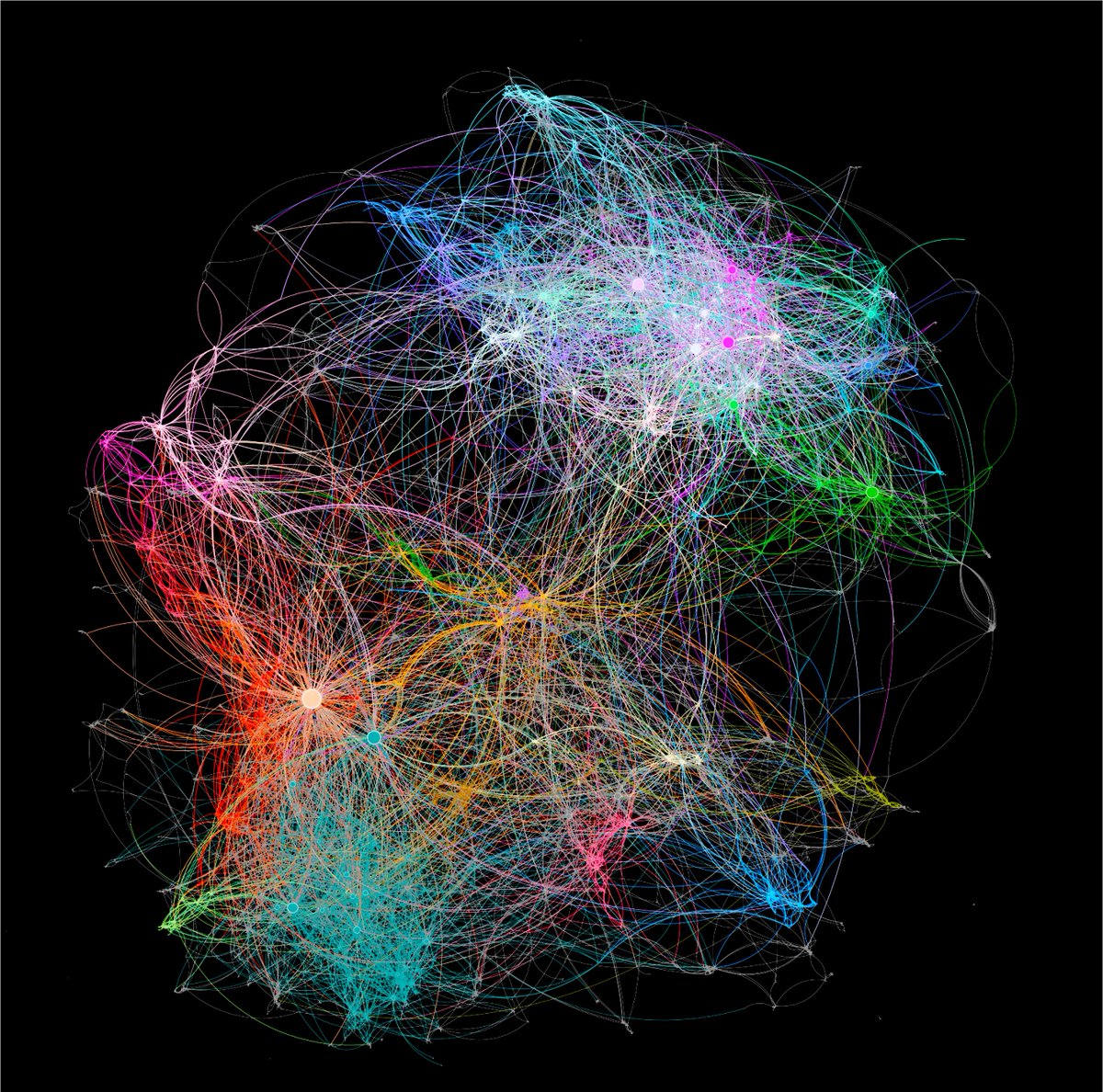
Deep stuff! We uncovered a startling link between #entropy—a bedrock concept in #physics—and how #AI can keep discovering new ideas without stagnating. In an era where reasoning models can reflect on problems for days at a time (rather than generating quick, single-step solutions), our study shows how semantic entropy (the spread of meanings) and structural entropy (how evenly its links between concepts generated by the AI are distributed) together hold the secret to ongoing exploration. Specifically, we measured structural entropy using Von Neumann graph entropy (applied to the adjacency Laplacian), while semantic entropy came from a similarity-based embedding deep language embedding matrix. The key insight? Although semantic entropy consistently outpaces structural entropy, they remain in a near-critical balance—fueling "surprising edges" that introduce relationships between distant concepts. This mirrors physical systems on the brink of a phase transition, where a little bit of "disorder" keeps the process dynamic yet avoids chaos. The result is an AI that doesn’t just keep pace with known solutions but actively creates new pathways of thought over extended “thinking” sessions. As reasoning models become ever more capable—undertaking extended, multi-day "thought processes"—understanding fundamental principles is crucial. By weaving these insights into reinforcement learning strategies, we can reward models not just for correctness, but for venturing into novel conceptual ground. This opens the door to AI systems that actively cultivate new insights, rather than settling into narrow patterns or endlessly rehashing the same knowledge. Going Deeper When physicists describe entropy, they refer to the measure of "disorder" in a system: the number of ways particles can rearrange without altering the system’s energy. Yet entropy transcends molecules and heat. In this research, it emerges as the engine that drives AI reasoning models to keep generating fresh ideas over extended periods. By analyzing agentic graph reasoning, we computed Structural Entropy (using Von Neumann graph entropy of the normalized Laplacian) to measure how evenly a knowledge graph’s connections spread out. In parallel, we assessed Semantic Entropy, built from a semantic adjacency matrix of cosine similarities between node embeddings. Remarkably, semantic entropy persistently outran its structural counterpart, indicating that the AI remains open to far-reaching conceptual links while sustaining a stable fraction of "surprising edges." This dynamic reflects self-organized criticality—a state where systems hover between rigid order and random chaos. Much like a sand pile teetering on the edge of collapse, the AI preserves enough organizational structure to remain coherent, yet stays flexible enough to generate unexpected leaps in meaning. The fraction of "surprising edges" remains stable, offering evidence that the model naturally integrates new, distant ideas without toppling into confusion. Ultimately, this deep linkage between physics and AI may become a cornerstone for how we build machines that never stop learning, tapping into the same principle that governs how atoms move in a gas—entropy as the driving force behind endless possibility.1274092K211K
"dRAW ENTROPY DUO OH MYGOSH PLSSS😭😭and my life is urs" im sorty for leaving u on read i was struggling with this for 5 days #entropyduo #wyllfanart #mugmfanart Can u tell whos the favorite0937589
Lady Prity Khastgir #ProtocolDiplomat #IPlawyer #I@Iamdataqueen#Entropy is always increasing #insinkwith*Astronomy Vibes @AstronomyVibesYour brain might be tuning into intelligence – not generating it. Biophysicist Douglas Youvan believes intelligence isn’t something the brain creates, but something it connects to. His hypothesis is that intelligence is a fundamental, non-local property of the universe – existing outside of biology, waiting to be tapped by structures complex enough to interface with it. This idea draws from quantum theory, where certain properties of a system remain undefined until observed. Much like Schrödinger’s cat being both alive and dead until measured, Youvan suggests that intelligence exists as potential – not locked in the brain, but in an underlying “informational substrate” of the universe. To explore this, Youvan looks at how biological and artificial systems behave. Enzymes, neurons, and even neural networks in AI often exhibit patterns that are not just reactive but predictive – suggesting they may be linking into rules or information beyond their own architecture. In particular, he notes the fractal geometry of neurons, which mirrors patterns found throughout nature, from river deltas to galaxies. These recursive structures, he argues, may be optimized to interface with information embedded in the fabric of reality.00016
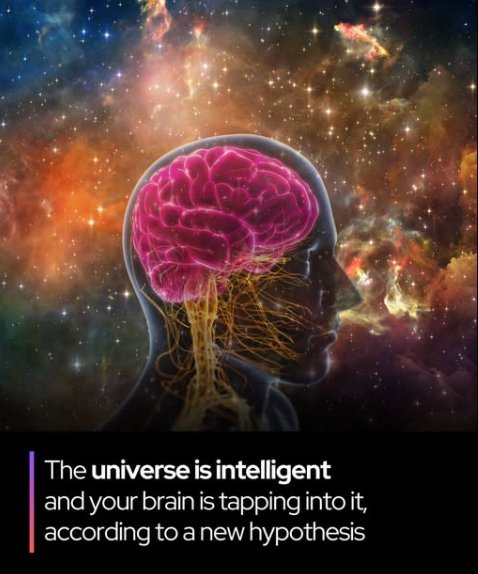
Your brain might be tuning into intelligence – not generating it. Biophysicist Douglas Youvan believes intelligence isn’t something the brain creates, but something it connects to. His hypothesis is that intelligence is a fundamental, non-local property of the universe – existing outside of biology, waiting to be tapped by structures complex enough to interface with it. This idea draws from quantum theory, where certain properties of a system remain undefined until observed. Much like Schrödinger’s cat being both alive and dead until measured, Youvan suggests that intelligence exists as potential – not locked in the brain, but in an underlying “informational substrate” of the universe. To explore this, Youvan looks at how biological and artificial systems behave. Enzymes, neurons, and even neural networks in AI often exhibit patterns that are not just reactive but predictive – suggesting they may be linking into rules or information beyond their own architecture. In particular, he notes the fractal geometry of neurons, which mirrors patterns found throughout nature, from river deltas to galaxies. These recursive structures, he argues, may be optimized to interface with information embedded in the fabric of reality.25351215.6K
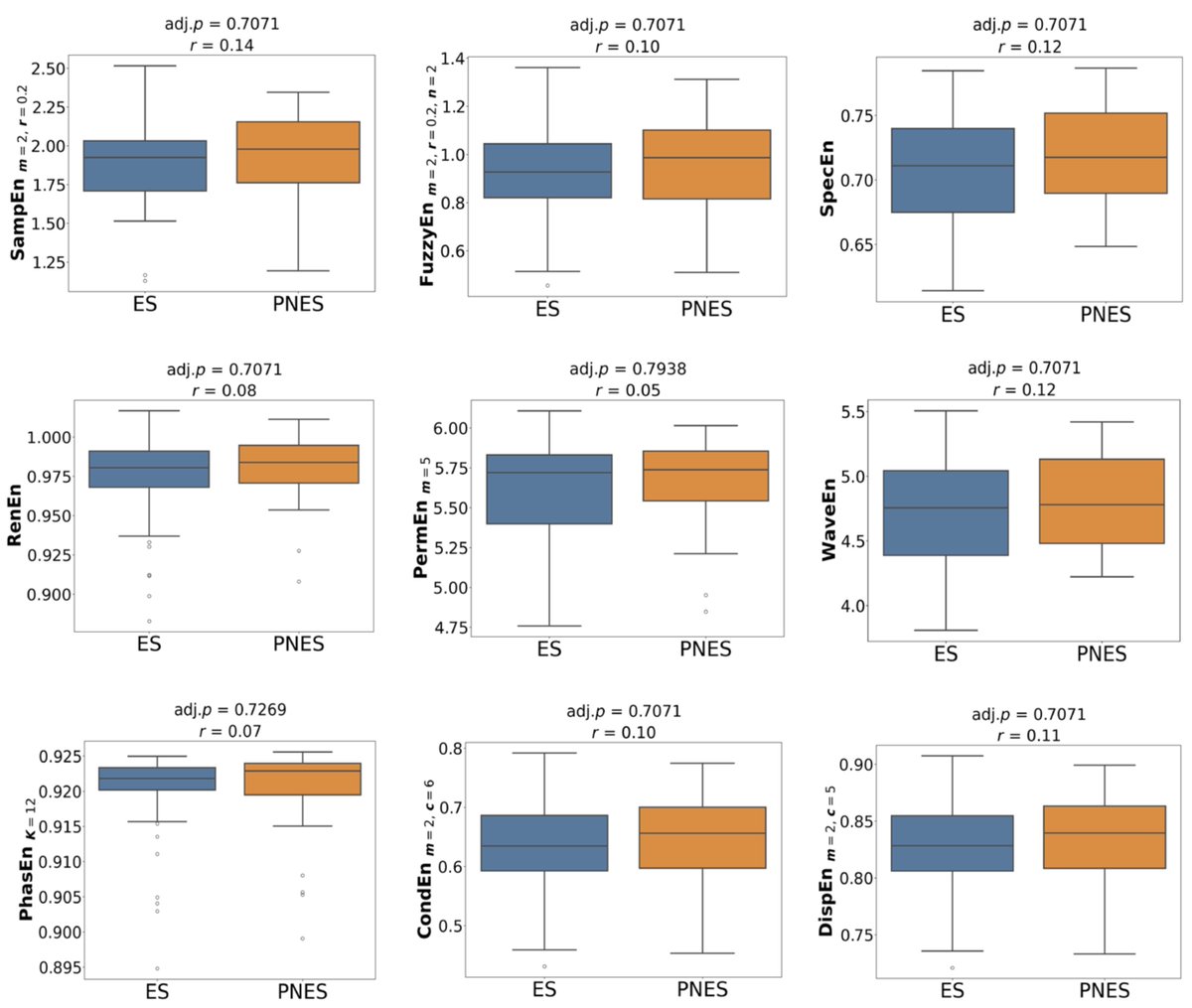
Entropy MDPI@Entropy_MDPI📢📢Read #Entropy Feature Paper "EEG Complexity Analysis of Psychogenic Non-Epileptic and Epileptic Seizures Using Entropy and Machine Learning", by Hesam Shokouh Alaei, Samaneh Kouchaki, Mahinda Yogarajah and Daniel Abasolo 👉 Find full article at:00088
Kate Raworth@KateRaworthSo what is ecological economics? If you want a snappy introduction to economics that's actually designed for life on this planet, check out these ace videos (and many more) by @DrDanONeill. #sustainability #entropy #HermanDaly1920154885.5K
1345053112.8K
BestEarningTips ( Airdrop 🪂)@BestEarninTips🔈 Simple Guide on @entropyIO 👀 💱 Decentralized Trading Platform 🚀 Powered by @HyperliquidX 💰 $100M+ Open Interest without a Points Program! 👇 How to Get Started 🔗 Link- 1: connect your wallet #Entropy #Web3 #Crypto #DeFi #Hyperliquid105205
Entropy MDPI@Entropy_MDPI📢📢Read #Entropy recent Article "From Quantum Cryptography to Intuitionism and Beyond: Relativity, Many-Worlds and Non-Locality", by Nicolas Gisin 👉Find full article at: #intuitionism #manyworlds #nonlocality #relativity #indeterminism #randomness00191
3046855433.2K
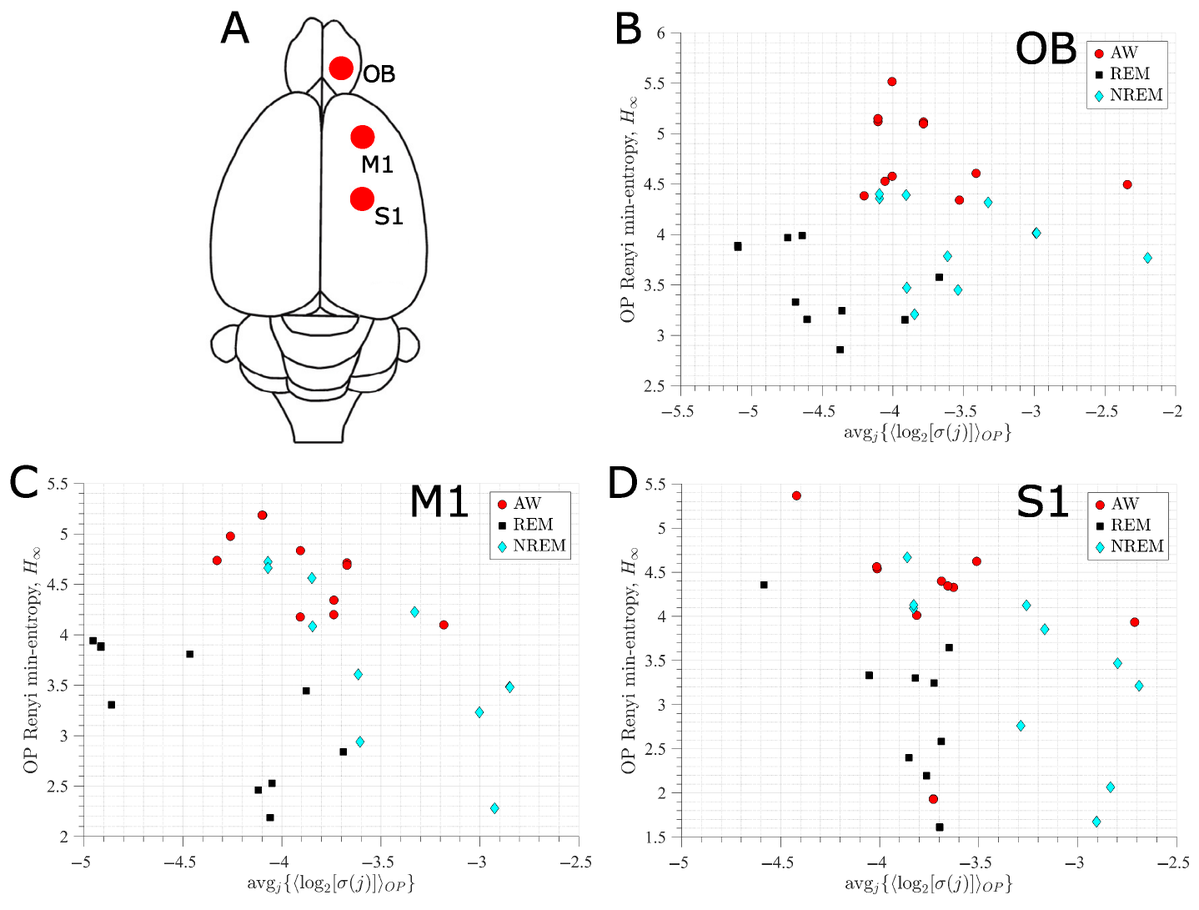
Entropy MDPI@Entropy_MDPI📢📢Read #Entropy Feature Paper "Including the Magnitude Variability of a Signal in the Ordinal Pattern Analysis", by Melvyn Tyloo, Joaquín González and Nicolás Rubido 👉 Find full article at: #ordinalpatterns #permutationentropy #signalanalysis00098

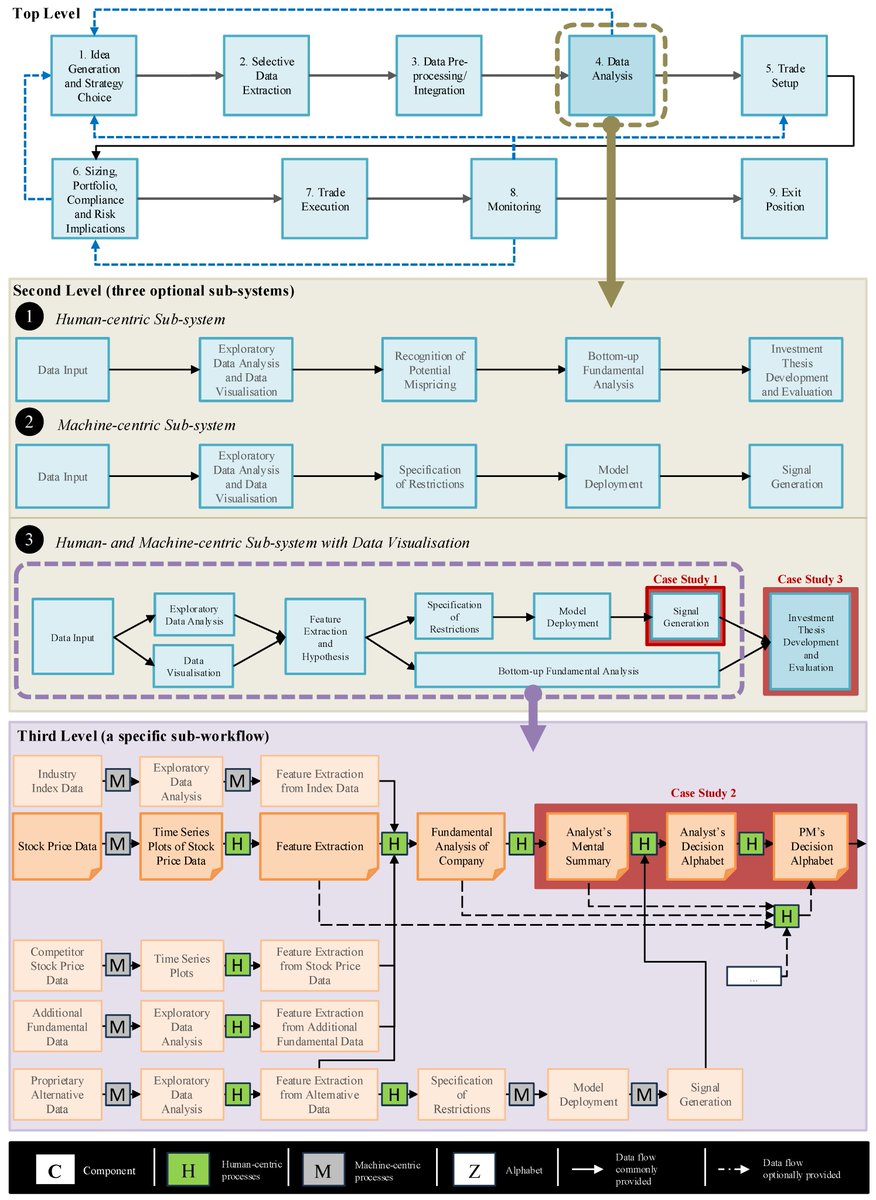
Entropy MDPI@Entropy_MDPI📢📢Read #Entropy Feature Paper "Information-Theoretic Cost–Benefit Analysis of Hybrid Decision Workflows in Finance", by Philip Beaucamp, Harvey Maylor and Min Chen 👉Find full article at: #informationtheory #costbenefitanalysis #datadriven012113
- Show more posts