🚨 Crypto Hack Alert! 🚨
Today, March 15th, a significant security breach occurred at @Poolz__ , resulting in a loss of approximately $1.4 million!
The culprit behind this attack? A smart contract exploit due to an integer overflow vulnerability 😱
🧵
💡 Web3 security is crucial in the ever-evolving world of cryptocurrencies!
Companies like @Cyvers_ are working tirelessly to detect and prevent attacks like these in real-time.
Let's raise awareness about the importance of #security in the blockchain ecosystem! 🌐🔒
🚨 Crypto Hack Alert! 🚨
Today, March 15th, a significant security breach occurred at @Poolz__ , resulting in a loss of approximately $1.4 million!
The culprit behind this attack? A smart contract exploit due to an integer overflow vulnerability 😱
🧵
Overnight, certain Red Lion #HMI terminals for automation controls systems have frozen. When reset they're coming back like it's Jan. 1, 1997, causing incorrect logs and other issues. Looks like a 32-bit unsigned #IntegerOverflow. Field service calls may be needed to fix this!
There's an extremely funny thread on GCC Bugzilla about GCC optimizing away signed overflow checks.
The OP is bitching relentlessly about how unprofessional and stupid GCC developers responsible for this behavior are, but the best part is the OP getting repeatedly recommended an approach for preventing signed overflows, here are two examples:
- "The original poster might want to read <link1> and <link2> to see how he might "prevent people from getting hacked" correctly."
- "<link2> is all I am going to say from now on. It tell you explictly how to dectect an overflow before an overflow is going to happen."
The latter is written by a GCC developer.
The catch? The approach doesn't work. Not only that, its description explicitly states that it "may fail if invoked on various edge cases, such as the smallest negative integer, INT_MIN", see the screenshot.
Let that sink in: a GCC developer is recommending a function that can cause signed overflow (and therefore "undefined behavior") to help preventing signed overflow (and therefore "undefined behavior").
It's just so hilarious that a GCC developer isn't capable of comprehending two short sentences on a topic directly related to their literal job. YET AGAIN, because they failed to understand the C standard too when interpreting what "undefined behavior" means.
I'll include some of the best bitching below and provide a link.
on the last livestream on we encountered an integer overflow and I didn't explain it, so i took the chance to explain it in a blog post:
#integeroverflow#hacking#Cybersecurity@LiveOverflow any thoughts/corrections?
#Insecurearithmetic
Insecure arithmetic includes integer overflow and integer underflow, which are well-known types of vulnerabilities that may lead to unintended devastating consequences, especially in smart contracts.
#LearnwithSalusSec
utilizing arithmetic operations involving unsigned integers with improper assumptions of the result;
employing a variable var that takes the smallest type to store the assigned initial value; however, in case of incrementing or decrementing, it will produce a wrong calculation.
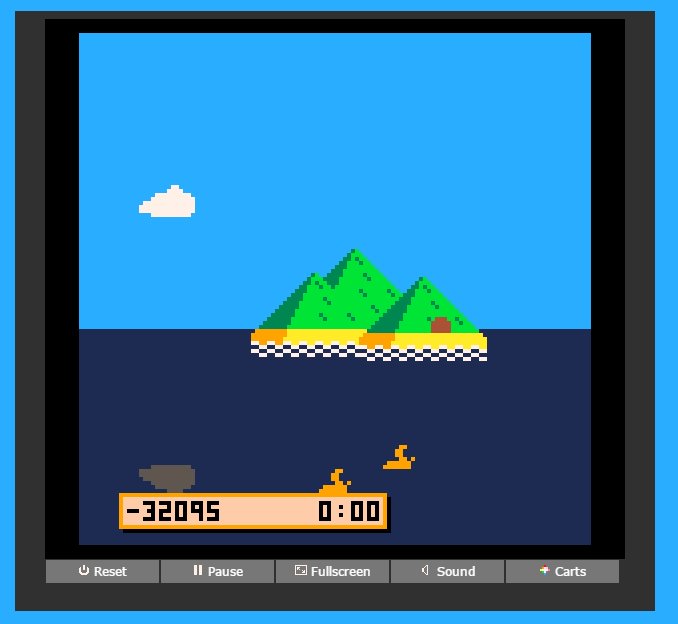
2nd challenge. Hacking into a welsh bank. We robbed a few trillion give or take a quid. Now to find out if bankrupting Wales was enough to go through to the final...
So didn't make the final despite being one of the only teams to get both flags. Our final score of 'less than infinity' just wasn't up to snuff. #integeroverflow means along with a few other teams we broke the system but apparently not by enough