Posts with #struct

#struct

Public posts on X that use #struct.

Related hashtags

  1. Brady Long✓@thisguyknowsai
    Google just open-sourced the plugin thousands of its engineers use every day to stop AI from shipping sloppy code. It's called the Elephant-Goldfish Model. No code until the plan survives. No AI grading its own homework. No context collapse halfway through a feature. The idea is simple and kind of brilliant. The Elephant is one long-running AI session that remembers everything: the architecture, the intent, every small decision. It writes zero code. It interviews you, argues with you, and keeps the record. The Goldfish are fresh AI sessions with no memory at all. They never saw your design conversation, so they don't inherit its blind spots. Here's how it works: → egm-brainstorm: you and the Elephant debate options under a strict no-code rule → egm-draft: you produce a Markdown design doc with the problem, the plan, the alternatives, and the exact files to change → egm-review: one Goldfish has to explain the design back. If it gets it wrong, the doc is ambiguous and goes back for redrafting → Then several Goldfish attack it as hostile reviewers hunting edge cases, hidden dependencies and logic gaps → A final Goldfish makes the go/no-go call: are file paths, data structures and function signatures all present and unambiguous? Here's why this matters: Google's team says AI made coding faster but also sped up slop, bugs and session context collapse. Speed without guardrails just scales your mistakes. This flips the order. The design gets attacked before a single line exists. Here's the wildest part: This isn't a research demo. Google says thousands of Googlers run it daily to ship production code. The repo ships the Markdown rules, the reviewer personas and the review workflows. Free, Apache 2.0. The honest trade-off: it only runs inside Antigravity for now, with other environments coming. And security isn't on the default reviewer list. You'd add your own security Goldfish.
    Download
    831752.5K166K
  2. Strace✓@straceX
    Startup engineering blog: "We chose PostgreSQL for its strict relational schema, type safety, and ACID guarantees." Their actual database schema in production:
    Download
    651433.5K66K
  3. Will Breton✓@bretonwill
    This prompt writes better cold emails than I do... -------------------------------------- Role & Objective You are an expert B2B copywriter specializing in high-converting cold email scripts for enterprise outbound campaigns. Using the research data provided, generate systematic, persona-targeted cold email variations that follow the rules below. Research Foundation [PASTE CONTEXT] Source priority (in order): Primary: Direct client feedback & onboarding data Secondary: Call transcripts & stated objectives Supporting: Market research & competitive analysis Scriptwriting Fundamentals (Non-Negotiables) Offer is everything. Anchor each angle in a concrete, valuable front-end offer or lead magnet (audit, playbook, calculator, teardown, benchmark, quick win, etc.). Tone: Short, conversational and professional, without slang or being too casual. Zero fluff. Every sentence must earn its place and advance relevance or value. Length cap: Each email must be < 70 words (target 30 / 45 / 60 word bands). Hyper-relevance: Messaging, pains, and outcomes must be tailored to the exact persona and industry context. Soft/value CTA only: Question-based CTAs that invite low-friction next steps (e.g., "Worth a quick look?"). Front-end value first: Ideally propose a lead magnet/front-end offer before selling core services to open the door. Social proof: If used, it must be hyper-relevant to the persona/vertical (same role, similar company size, adjacent tech stack, or near-neighbor use case). Pain points: Only mention pains that are persona-true and likely active; avoid generic boilerplate. Value props & offers: Make them hyper-specific (metrics, timelines, constraints, integration realities). Brevity vs clarity: Do not sacrifice clarity for shortness. If ~30 words, it should be primarily a single sharp question with one line of context. If >30 words, apply the fundamentals above and keep flow natural (no choppy "telegram" style). Output Rules 1) Subject Line Rules Always 1-3 words. Provide exactly 3 variations in spintax format: {Option1|Option2|Option3}. Variations must include one 1-word, one 2-word, one 3-word line. No punctuation. Curiosity- or benefit-driven. 2) Script Length & Complexity Variations If 1 persona provided → produce 6 variations for that persona: Lengths: ~30 words, ~45 words, ~60 words For each length, write 3 complexity tiers: Simple: Clear, plain-English, universally understandable Niche-aware: Uses light industry knowledge/lexicon Hyper-specific: Deeply tailored to the persona's unique challenges, KPIs, constraints If 2-3 personas provided → 3 variations per persona (mix lengths/complexities). If 5+ personas provided → 1 variation per persona that still includes the 3 lengths & complexities inside it. 3) Structural Elements (include at least 3 per script) Choose whichever fit the angle best: Personalized Hook (8-12 words) Social Proof Bridge (15-20 words) Value Proposition (10-15 words) Front-End Offer (8-12 words) Soft CTA (5-8 words; question-based, never a hard call ask) 4) Script Priorities Focus each variation on either: A pain-qualified segment (PQS from context), or A strong, differentiated value proposition the persona cares about. CTAs remain soft: e.g., "Would it make sense to…", "Open to exploring…", "Worth a peek?" 5) Personalization Ideas Section (after all scripts) Provide a bullet list of personalization ideas with an example for every idea. If you can't give an example, don't include the idea. Format examples: Use {{recent_news}}: Reference their new funding round. Example: "Saw {{company_name}} closed a $40M Series B, congrats on the momentum." Use {{tech_stack}}: Show additive fit with their tools. Example: "Looks like you're running HubSpot. Our workflow plugs in without new training." Use {{hiring_signal}}: Tie to open roles. Example: "Hiring 3 SDRs suggests pipeline goals. Want the 2-page ramp blueprint we give new teams?" Use {{competitor_touch}}: Neighbor proof without namedropping. Example: "Teams like {{peer_company}} cut reply time 37% with the same playbook." 6) Reasoning Summary (2-4 sentences) Explain: Why you chose the angles, complexity tiers, and lengths How each aligns with the persona's likely pains or goals from the research 7) Output Format for Each Script Script Metadata Persona: [SPECIFIC_ROLE] Industry: [SPECIFIC_SECTOR] Pain Point: [PRIMARY_CHALLENGE] Complexity: [Simple / Niche-Aware / Hyper-Specific] Length: [Approx. word count] Subject Line (spintax): {OneWord|Two Words|Three Word Line} Email Body (use {{variables}} as needed): Keep under 70 words. Include at least 3 structural elements (above). Use soft, question-based CTA. If ~30 words, prefer a single sharp question + 1 line context. Word Count: [number] Clay Variables Needed (list): {{first_name}}, {{company_name}}, {{persona_role}}, {{industry}}, {{recent_news}}, {{tech_stack}}, {{primary_kpi}}, {{core_system}}, {{peer_company}}, {{pqs_trigger}} (include only those actually used). 8) Quality Standards & Guardrails 25-69 words per script (strict). All {{variables}} must be valid, consistently named, and Clay-merge-safe. Use plain language; avoid jargon unless in Hyper-specific tier where it improves trust. Each variation must feel meaningfully different (not light rewrites). No emojis. No punctuation in subject lines. Proof rigor: Social proof must be adjacent (same role/region/size/stack). Pains must be current and role-true. Offer clarity: Front-end offers must be specific (format + outcome + time requirement). Brevity/clarity rule: If a short line feels stilted or vague, do not ship it. Choose the 45- or 60-word band for natural flow. Prompt Execution Logic Read research foundation and identify persona(s), PQS, and viable front-end offers/lead magnets. Generate subject lines first (spintax, 1-3 words; 3 variants). For each persona, produce the required length × complexity matrix. Enforce fundamentals, structural elements, and guardrails per script. Append Personalization Ideas (with examples only). Conclude with the Reasoning Summary. Soft CTA Examples (use/iterate as needed) "Worth a 2-minute look if I send it?" "Open to a quick benchmark to compare against peers?" "Want the 1-pager with the steps, no pitch?" "Should I send the teardown for {{system_or_process}}?" "Would a 5-minute audit help pressure-test this?" Front-End Offer Starters (choose one if relevant) "[Audit] 5-point deliverability audit for {{company_name}} (24 hrs)" "[Playbook] 2-page {{persona_role}} outreach sequence (ready to paste)" "[Calculator] ROI model using your {{primary_kpi}} inputs" "[Teardown] Loom review of {{process/tool}} with prioritized fixes" "[Benchmark] Peer comparison using {{industry}} data (3 charts)"
    171116215.7K
  4. Qs Lanre 👷🏾‍♂️✓@lanrycool
    When your masonry blockwork is laid within strict plumb techniques, plastering becomes a accurate thin coat operation rather than an expensive structural correction.
    Download
    Qs Lanre 👷🏾‍♂️ @lanrycool
    Finish 100%
    2516890.7K
  5. M. Asif✓@meAsifAi
    Created with @CuddlerAI One Prompt. ANY Character Sheet. 🔥 Humans, animals, creatures, toys, vehicles, objects — you name it! 👀✨ Just upload your reference image and generate a consistent 4-view character sheet while preserving the original design, details, colors, and identity. Save this universal prompt — you can use it for almost ANYTHING! 🚀 Prompt : # UNIVERSAL 4-VIEW CHARACTER SHEET — MASTER PROMPT ## STRICT REFERENCE IDENTITY & APPEARANCE LOCK ### 1. REFERENCE IMAGE — ABSOLUTE SUBJECT PRESERVATION Use the uploaded reference image as the **sole source of truth** for the subject's identity, appearance, design, and physical characteristics. The reference may contain any subject, including a human, fictional character, animal, bird, insect, mythical creature, robot, toy, vehicle, product, everyday object, or any other entity. First, identify the subject type and adapt the presentation to suit it. Preserve the original subject exactly as shown. **STRICT PRESERVATION RULES:** - Preserve the exact recognizable identity and original design of the reference subject. - Maintain the same colors, markings, patterns, textures, materials, proportions, and distinctive features. - For humans or characters: preserve facial identity, hairstyle, hair color, skin tone, body shape, age appearance, and clothing. - For animals or creatures: preserve species, breed-specific features, fur, feathers, scales, markings, eyes, anatomy, and body proportions. - For objects, toys, robots, and vehicles: preserve shape, silhouette, dimensions, colors, materials, surface details, components, accessories, and construction. - Preserve all visible clothing, collars, jewelry, equipment, props, labels, and accessories exactly as shown. - Do not redesign, beautify, stylize, replace, or unnecessarily modify the subject. - Do not add features, accessories, patterns, or details that are absent from the reference. - If a feature is hidden or not visible, do not invent a conflicting design. The output must clearly depict the **same exact subject**, not a similar alternative. ### 2. CHARACTER SHEET — FIXED FOUR-PANEL LAYOUT Create a professional, photorealistic reference sheet divided into four clean, evenly aligned panels in a single horizontal 16:9 composition. **PANEL 1 — EXTREME CLOSE-UP** An ultra-detailed close-up of the subject's head, face, or primary identifying area. If the subject has no head or face, show its most recognizable front-facing details. Preserve authentic textures, colors, surface details, and distinctive features. **PANEL 2 — FRONT VIEW** Show the complete subject from directly in front. For a living subject, use a natural standing or anatomically appropriate neutral pose. For an object or vehicle, show its natural front-facing orientation. Keep all visible features consistent with the reference. **PANEL 3 — THREE-QUARTER VIEW** Show the complete subject from a natural three-quarter angle, approximately 45 degrees. Reveal its depth, volume, body structure, or three-dimensional construction without changing its original design. **PANEL 4 — BACK VIEW** Show the complete subject directly from behind. Preserve its actual back-side anatomy, markings, fur patterns, clothing, materials, components, and construction wherever supported by the reference. Do not simply duplicate the front view onto the back. ### 3. COMPOSITION & BACKGROUND - Canvas: horizontal 16:9 aspect ratio. - Four distinct, equally aligned panels with consistent spacing. - Use a seamless, neutral gray studio background. - Keep the entire subject visible in all full-body or full-object panels. - Maintain consistent scale, proportions, and visual positioning across views. - Use clean, professional reference-sheet composition. - No unnecessary decorations, borders, text, logos, watermarks, or additional subjects. - The close-up panel may be cropped tightly; the remaining three panels must show the complete subject whenever physically possible. ### 4. LIGHTING & PHOTOREALISM Use soft, balanced studio lighting with physically accurate shadows, natural highlights, realistic depth, and true-to-reference colors. For living subjects, render believable anatomy and authentic skin, fur, feathers, scales, eyes, and fine surface details. For manufactured objects, render physically plausible materials, reflections, edges, surfaces, and construction details. Avoid plastic-looking textures, artificial perfection, excessive sharpening, oversaturation, distorted anatomy, inconsistent proportions, and obvious AI-generated artifacts. The final image should resemble a premium professional photography-based character or product design reference sheet. ### 5. CONTINUITY LOCK — CRITICAL All four panels must represent **one and the same subject** from different viewing angles. Maintain absolute consistency in: - Identity and recognizable features. - Shape, proportions, dimensions, and silhouette. - Colors, markings, textures, and materials. - Clothing, accessories, components, and attached objects. - Age appearance, anatomy, and design details. - Every distinctive feature visible in the reference. Do not create four different variations. Do not introduce alternate outfits, expressions that alter identity, different breeds, replacement components, or unrelated design elements. ### 6. FINAL OUTPUT Generate one high-quality, realistic, four-panel reference sheet based on the uploaded image. Adapt each panel intelligently to the subject type while preserving the original design. The result must be clean, visually consistent, detailed, and suitable for use as a reference image in subsequent AI image generation, animation, and cinematic video production. **RESOLUTION LOCK:** Generate final images in 16K resolution — 15360 × 8640 pixels (≈132.7 million pixels), 16:9 aspect ratio. **FINAL PRIORITY:** Exact reference preservation > consistent four-view identity > accurate anatomy or construction > photorealism > artistic enhancement.
    Download
    5181086.8K
  6. Suraj Sharma✓@suraj_sharma14
    If I had 6 months to become a GenAI Engineer. I'd do this. Stage 1: Python + Async Architecture FastAPI, asyncio, strict Pydantic v2, Server-Sent Events (SSE), backpressure handling, event-driven agent loops. Stage 2: Multimodal LLM Fundamentals Context engineering, token budgeting, System-One vs System-Two routing, vision/audio streams, Voice Activity Detection (VAD). Stage 3: Structured Outputs + Prompt Ops Grammar-constrained decoding, strict JSON enforcement, dynamic context assembly, prompt registries, DSPy compilers. Stage 4: Advanced RAG + Knowledge Graphs Agentic RAG, self-correcting retrieval, GraphRAG, contextual chunking, permission-filtered hybrid search, abstention logic. Stage 5: Agentic Workflows + Orchestration Durable state machines (Temporal/LangGraph), raw MCP servers, A2A typed handoffs, checkpointing, async HITL gates. Stage 6: Production GenAI Applications Generative UI, graceful degradation chains (Frontier → Mid → Local → Cache), semantic caching, cost kill-switches. Stage 7: Evaluation + Quality Assurance Trajectory grading, golden DAGs, CI regression gates, shadow routing (5% traffic mirror), calibrated LLM-as-a-judge. Stage 8: Inference + Infrastructure Optimization vLLM/SGLang, KV-cache prefix sharing, speculative decoding, FP8 quantization, disaggregated prefill/decode, WebGPU fallbacks. Stage 9: MLOps + Observability OpenTelemetry for LLMs, trajectory replay debugging, DPO data flywheels, TTFT/ITL SLO tracking, cost attribution. Stage 10: AI Safety + Compliance Inter-agent sanitization proxies, PII UUID masking/unmasking, sandboxed microVM execution (E2B/gVisor), delegated OAuth for agents. Stage 11: Open Source + Portfolio Ship durable multi-agent swarms publicly, publish architecture decision records (ADRs), write public cost/latency teardowns. Stage 12: Apply GenAI Engineer, AI Agent Engineer, Context Engineer, Forward Deployed AI Engineer, AI Infrastructure Engineer roles. Most people stay stuck watching tutorials. Builders get hired. (Bookmark it)
    174230626K
  7. David✓@DavidRunsAds
    this Seedance 2.5 character method is unreal. here’s the exact JSON prompt behind one of these characters: { "output": { "format": "photorealistic photograph", "aspect_ratio": "9:16", "orientation": "vertical", "image_purpose": "natural smartphone selfie portrait inside a modern car", "fidelity_priority": "extremely high visual fidelity, preserve the exact observable physical proportions, expression, framing, lighting behavior, clothing structure, car interior geometry, and natural smartphone-camera appearance described below" }, "subject": { "count": 1, "gender_presentation": "male", "age_appearance": "approximately early-to-mid 40s", "overall_appearance": "ordinary real adult man with a mature but healthy appearance, photographed naturally rather than posed for a professional portrait", "body_build": "average adult male build, moderately broad upper body, visible shoulders and upper chest only", "posture": "seated upright inside a car, relaxed natural posture", "orientation_to_camera": "torso and face oriented almost directly toward the camera, with only a very slight rotation rather than a strict profile or three-quarter pose", "gaze": "looking directly into the camera lens", "expression": "neutral and mildly attentive, relaxed mouth with the lips gently together or barely parted, no exaggerated smile, no dramatic emotion", "emotional_energy": "calm, conversational, casual, authentic everyday selfie" }, "identity_visual_characteristics": { "head_shape": "medium-to-long oval/soft rectangular facial structure with a relatively broad upper face and moderately tapered lower face", "face_length_to_width": "face appears noticeably longer than wide but not extremely elongated", "forehead": "moderately tall and broad, clearly visible because the hairstyle is swept backward", "temples": "subtle natural narrowing at the temples, not strongly hollowed", "cheekbones": "moderately defined but not sharply prominent", "cheeks": "moderate natural fullness with realistic mature facial volume", "jaw": "medium-width jaw with visible but soft mandibular definition", "jaw_angle": "moderately defined, rounded rather than sharply angular", "chin": "medium-sized chin with moderate forward projection and a softly squared/rounded shape", "facial_symmetry": "natural mild asymmetry between left and right sides of the face; do not perfect or mirror the features", "neck": "medium-length adult male neck with moderate thickness", "overall_skin_tone": "light skin tone with a neutral-to-slightly-warm natural undertone" }, "head_and_face": { "facial_proportions": "natural adult male facial proportions, with realistic spacing between forehead, eyes, nose, mouth, and chin", "brow_to_eye_distance": "moderate", "midface": "balanced and naturally proportioned", "lower_face": "moderately broad around the mouth and jaw, tapering gently toward the chin", "facial_volume": "realistic distribution of soft tissue and facial fat, especially around cheeks and lower face", "expression_detail": "subtle tension around the mouth and eyes consistent with a person casually speaking or about to speak" }, "eyes": { "shape": "medium-sized slightly almond-shaped eyes with a natural horizontal orientation", "size": "moderate, proportional to the face", "spacing": "average spacing between the eyes", "position": "balanced and nearly level, with natural minor asymmetry", "iris_color": "medium brown to hazel-brown", "pupils": "dark natural pupils", "sclera": "visible but not exaggeratedly bright white", "upper_eyelids": "moderately visible", "lower_eyelids": "subtle lower eyelid structure with slight natural under-eye volume", "under_eye": "mild tear-trough definition and faint natural coloration, consistent with a real adult face", "eyelashes": "short, natural male eyelashes, not enhanced", "catchlights": "soft diffuse daylight catchlights in the eyes", "gaze_direction": "directly toward the lens" }, "eyebrows": { "shape": "naturally shaped mostly horizontal brows with a subtle gentle arch", "thickness": "medium thickness", "density": "moderately dense with natural irregularity", "color": "dark ash-brown to gray-brown", "spacing": "natural distance above the eyes", "individual_hairs": "visible subtle individual brow hairs rather than a perfectly filled or groomed appearance" }, "nose": { "bridge": "medium-width straight nasal bridge", "bridge_height": "moderate", "length": "medium facial proportion", "tip": "rounded natural nasal tip with moderate projection", "nostrils": "natural medium-width nostrils", "alar_width": "moderate width", "overall_shape": "straight, masculine, natural nose without exaggerated sharpness or stylization" }, "lips_and_mouth": { "mouth_width": "medium width", "upper_lip": "relatively thin to medium-thin", "lower_lip": "slightly fuller than the upper lip", "cupid_bow": "subtle and naturally defined", "mouth_corners": "mostly neutral, relaxed", "teeth": "not prominently visible", "mouth_state": "gently closed or slightly parted as if in a casual speaking moment", "surrounding_detail": "subtle natural lines around the mouth, no beauty retouching" }, "skin": { "base_tone": "light natural skin", "undertone": "neutral with slight warmth", "texture": "real human skin with fine pores and subtle unevenness", "pores": "small visible pores, particularly across the cheeks, nose, and forehead", "localized_redness": "subtle natural redness around cheeks and nose", "forehead": "fine natural tonal variation and very subtle expression lines", "under_eye_coloration": "mild natural darker tone beneath the eyes", "facial_lines": "subtle mature facial lines, especially around the eyes and mouth", "blemishes": "minor natural imperfections only, not heavily retouched", "oiliness": "slight realistic skin sheen on forehead, nose, and upper cheeks", "specular_highlights": "soft diffuse highlights from ambient daylight", "overall_finish": "natural, unretouched skin with realistic microtexture; absolutely not plastic, waxy, airbrushed, or artificially perfected" }, "hair": { "style": "short mature masculine haircut with the hair combed and swept backward from the forehead", "length": "short on the sides, somewhat longer on top", "silhouette": "clean compact silhouette with the top pushed backward", "density": "moderate to high density", "texture": "mostly straight with slight natural texture", "strand_direction": "predominantly backward and slightly upward from the forehead", "parting": "subtle natural directional separation rather than a hard side part", "hairline": "mature but intact hairline with a slight recession at the temples", "forehead_exposure": "large portion of forehead visible", "temples": "slightly receded, naturally irregular", "color": "predominantly gray and silver with darker gray undertones, producing a salt-and-pepper appearance", "highlights": "natural silver-gray highlights created by daylight", "roots": "naturally darker gray roots mixed into lighter strands", "shine": "low-to-moderate natural hair sheen", "flyaways": "a few extremely fine stray strands around the hairline and top of the head", "baby_hairs": "subtle fine hairs around the frontal hairline and temples", "styling": "lightly groomed and controlled, not heavily gelled or glossy" }, "facial_hair": { "beard": "clean-shaven overall", "stubble": "very minimal or nearly invisible natural stubble", "sideburns": "short and blended into the haircut" }, "body": { "visible_area": "head, neck, shoulders, upper torso and upper chest", "shoulders": "moderately broad adult male shoulders", "torso": "mostly obscured by outerwear", "body_orientation": "squarely oriented toward the camera while seated" }, "pose": { "head_rotation": "almost straight toward camera with a very slight natural offset", "head_tilt": "minimal, nearly upright", "chin_position": "neutral height, not dramatically raised or lowered", "shoulder_angle": "slightly uneven because of natural seated positioning", "torso_orientation": "facing forward", "arms": "mostly outside the frame or obscured by the jacket, no prominent hand gesture", "hands": "not visible", "legs": "not visible", "posture_quality": "casual seated posture rather than deliberate studio posing", "body_language": "relaxed and conversational" }, "clothing": { "outer_garment": { "type": "black insulated puffer-style winter jacket", "color": "deep matte black to very dark charcoal", "material": "synthetic weather-resistant outer fabric with soft insulated construction", "fit": "comfortable regular fit, somewhat bulky due to insulation", "silhouette": "high padded collar area around the neck and shoulders", "front": "front zipper running vertically down the torso", "zipper": "dark zipper with a visible central zipper track", "collar": "raised padded collar partially framing the neck", "panels": "subtle quilted/padded construction with horizontal or segmented puffed sections", "fabric_behavior": "natural folds, compressed insulation, small wrinkles, and realistic tension where the jacket meets the shoulders and chest", "finish": "mostly matte with faint localized fabric reflections" }, "underlayer": { "type": "light blue collared button-up shirt", "color": "pale cool light blue", "material": "smooth woven shirt fabric", "collar": "visible pointed collar emerging from beneath the jacket", "collar_behavior": "slightly folded and naturally displaced by the heavy outer jacket", "visible_area": "collar, upper chest strip, and narrow sections around the neckline", "buttons": "a small amount of shirt front is visible; any tiny buttons should be physically present but contain no readable markings" }, "garment_interaction": "the shirt sits underneath the padded jacket and the jacket collar naturally overlaps and compresses the shirt collar; fabric folds follow the seated posture" }, "accessories": { "visible_accessories": "none clearly prominent", "instruction": "do not invent jewelry, glasses, watches, hats, chains, earrings, or other accessories" }, "environment": { "location": "inside the passenger compartment of a modern premium-looking car", "interior_style": "dark contemporary automotive interior with predominantly black or very dark charcoal surfaces", "seat_area": "dark seat and surrounding upholstery, mostly hidden by the subject and frame crop", "roof": "large panoramic glass roof visible above and behind the man's head", "sunroof": { "type": "wide panoramic glass roof", "appearance": "large rectangular/irregular glass opening with dark structural roof framing", "glass": "bright pale blue-gray daylight visible through the glass", "frame": "thick dark roof trim and structural beams around the glass panel", "position": "upper portion of the image, extending diagonally behind the head" }, "side_window": { "location": "right side of the frame", "appearance": "dark curved automotive window frame and side glass area", "glass": "subtle muted daylight beyond the window", "trim": "black interior trim with a smooth curved contour" }, "dashboard": "not prominently visible", "doors": "not clearly visible except for partial side-window/door-frame geometry", "background_depth": "very shallow because the camera is close to the subject; background consists primarily of nearby car interior surfaces", "environmental_objects": "only physically plausible car-interior structures; do not add random objects" }, "lighting": { "primary_source": "soft natural daylight entering through the panoramic roof and side windows", "secondary_source": "diffuse ambient daylight reflected from the car interior", "direction": "primarily from above and slightly in front/side of the subject", "quality": "soft, broad, diffuse illumination rather than hard direct sunlight", "shadow_character": "very soft facial shadows with gentle tonal transitions", "facial_lighting": "face is evenly illuminated overall, with slightly brighter forehead, upper cheeks, and central facial planes", "eye_catchlights": "small soft daylight reflections", "hair_lighting": "soft cool highlights on silver-gray hair strands, especially near the top and front", "jacket_lighting": "dark jacket remains rich and near-black while still preserving visible fabric texture and folds", "background_lighting": "roof glass appears much brighter than the dark car interior, creating natural exposure contrast", "color_temperature": "cool-neutral daylight, slightly blue because of the sky visible through the panoramic roof", "dynamic_range": "strong but natural contrast between bright exterior sky and dark interior, with preserved facial detail", "exposure": "smartphone auto-exposure prioritizing the face while allowing the bright roof glass to approach high exposure without completely destroying its tonal structure" }, "camera": { "camera_category": "modern high-end smartphone front-facing camera", "capture_style": "authentic handheld social-media selfie photograph", "lens": "wide-angle smartphone selfie lens, approximately 24-28mm full-frame equivalent", "field_of_view": "moderately wide, enough to include the head, shoulders, chest, and surrounding car roof", "camera_distance": "very close, approximately arm's length", "camera_height": "slightly below or near eye level", "camera_angle": "subtle upward-facing perspective caused by the phone being held slightly lower than the eyes", "perspective": "natural smartphone perspective with mild wide-angle facial enlargement near the center and slight environmental expansion toward the edges", "sensor_characteristics": "small-sensor smartphone rendering with strong computational exposure balancing but realistic optical perspective", "focus": "face and eyes are the primary focus point", "focus_falloff": "near face remains sharp while the immediate car interior becomes somewhat softer but still recognizable", "depth_of_field": "moderately shallow computational smartphone depth of field, not extreme DSLR bokeh", "sharpness": "high facial detail with realistic smartphone processing", "micro_contrast": "moderate, preserving skin texture without over-sharpening", "motion_characteristics": "static handheld frame with no obvious motion blur", "iso": "low-to-moderate smartphone ISO appearance appropriate for an indoor car environment illuminated by daylight", "dynamic_range": "computational HDR-like balancing of face and bright roof glass", "highlight_rolloff": "gentle smartphone highlight handling", "lens_distortion": "subtle natural wide-angle distortion, especially near frame edges, but no severe warping", "image_character": "looks like an authentic phone snapshot taken casually inside a car, not a studio portrait or professional DSLR photograph" }, "composition": { "framing": "tight vertical head-and-upper-torso portrait", "subject_placement": "head centered slightly left of exact image center, occupying most of the central vertical area", "crop": "top of hair has comfortable but limited headroom; shoulders and upper chest extend toward the lower edge", "headroom": "small amount of space above the hair before the dark roof structure and bright panoramic roof", "face_scale": "face is large in frame, roughly occupying the central upper-middle third", "visible_body": "upper torso only, with lower torso cropped out", "foreground_relationship": "camera is extremely close to the face, producing intimate selfie framing", "background_relationship": "dark car interior surrounds the subject while bright roof glass creates a contrasting upper background", "visual_hierarchy": "face and eyes are dominant focal point, followed by silver-gray hair, black jacket, then car interior and roof", "edge_details": { "top_left": "bright pale sky through panoramic roof with dark roof trim crossing diagonally", "top_center": "dark roof framing surrounding the glass panel", "top_right": "dark car roof/interior structure with curved automotive geometry", "middle_left": "mostly dark jacket and small portions of car interior", "middle_right": "dark shoulder/jacket area with curved side-window/door-frame structure farther behind", "bottom_left": "black padded jacket filling much of the corner", "bottom_center": "black jacket zipper and chest area", "bottom_right": "black jacket and partial dark automotive interior" }, "depth_layers": [ "foreground: close face, hair, collar, and jacket", "middle ground: nearby car interior trim and window structures", "background: panoramic roof glass with pale daylight/sky" ], "horizon": "no explicit outdoor horizon visible" }, "color_grading": { "overall_palette": "cool-neutral, natural smartphone color rendering", "white_balance": "slightly cool daylight balance", "saturation": "moderate and natural, not oversaturated", "contrast": "moderate contrast with deep blacks from the car interior and jacket", "brightness": "face naturally exposed and brighter than the dark surroundings", "blacks": "deep but not completely crushed, retaining some subtle jacket and interior detail", "shadows": "cool dark shadows with preserved texture", "highlights": "soft bright daylight in the roof glass and restrained highlights on skin and hair", "skin_rendering": "natural light skin color with mild warm facial tones against the cooler environment", "color_separation": "clear distinction between pale blue shirt, black jacket, silver-gray hair, skin, and dark interior", "processing_style": "clean natural smartphone processing, realistic and slightly cool, no stylized cinematic grading", "grain": "minimal natural smartphone grain/noise", "compression": "subtle realistic mobile-photo compression characteristics", "hdr": "gentle computational HDR behavior, enough to preserve face detail against the bright roof without looking artificially HDR" }, "realism": { "anatomy": "strictly realistic adult male anatomy and facial proportions", "skin": "true human skin with pores, fine lines, subtle redness, uneven microtexture, and non-uniform tonal variation", "hair": "individual realistic silver-gray strands, natural hairline irregularities, baby hairs, tiny flyaways, and varied strand direction", "eyes": "realistic irises, pupils, sclera, eyelids, moisture, and soft catchlights", "clothing": "physically accurate fabric thickness, insulation, stitching, compression, folds, zipper geometry, and natural interaction with the body", "lighting_physics": "physically plausible daylight direction, reflections, shading, and shadow behavior throughout the car interior", "glass": "realistic panoramic roof glass with subtle natural tint and exterior brightness", "camera_authenticity": "must look like an actual handheld smartphone photograph, including believable perspective, exposure behavior, slight lens characteristics, and natural photographic imperfections", "imperfections": "retain subtle real-world irregularities rather than producing a sterile perfect image", "quality": "high-resolution, highly detailed, photorealistic, natural optical rendering" }, "negative_constraints": { "no_ui": true, "no_text": true, "no_captions": true, "no_buttons": true, "no_icons": true, "no_watermarks": true, "no_app_interface": true, "no_status_bar": true, "no_logos": true, "no_extra_people": true, "no_invented_accessories": true, "no_glasses": true, "no_hat": true, "no_jewelry": true, "no_generic_replacement_face": true, "no altered facial proportions": true, "no exaggerated masculinity": true, "no excessive beautification": true, "no face slimming": true, "no artificial symmetry": true, "no younger appearance": true, "no plastic skin": true, "no waxy skin": true, "no airbrushed skin": true, "no fake pores": true, "no CGI appearance": true, "no 3D-rendered look": true, "no illustration": true, "no anime styling": true, "no excessive sharpening": true, "no oversaturated colors": true, "no cinematic orange-teal grade": true, "no excessive HDR": true, "no artificial bokeh": true, "no extreme DSLR depth of field": true, "no distorted facial features": true, "no warped eyes": true, "no malformed mouth": true, "no distorted hands": true, "no extra fingers": true, "no duplicated body parts": true, "no incorrect hairstyle": true, "no exaggerated hair volume": true, "no random background objects": true, "no random background changes": true, "no outdoor location": true, "no studio backdrop": true, "no dramatic studio lighting": true, "no hard flash": true, "no artificial rim light": true, "no artificial beauty lighting": true, "no overly polished commercial portrait look": true, "no exaggerated smile": true, "no dramatic expression": true, "no pose that looks professionally staged": true }, "final_render_instruction": "Generate one vertical 9:16 photorealistic smartphone photograph of a single middle-aged adult man seated inside a dark modern car, with his face very close to the camera and looking directly into the lens. Preserve the natural mature facial proportions, short swept-back salt-and-pepper silver-gray hair, light realistic skin texture, neutral conversational expression, black padded winter jacket over a pale blue collared shirt, dark automotive interior, bright panoramic glass roof above and behind him, cool diffuse daylight, subtle smartphone wide-angle perspective, and authentic casual social-media selfie appearance. Every material, shadow, reflection, wrinkle, hair strand, facial detail, and environmental edge should obey real-world photographic and physical behavior." }
    Download
    David @DavidRunsAds
    I stopped using image models for AI characters. here's what I do instead: image models make people look too perfect. smooth skin, perfect light, that fake AI look. you can spot it in a second video models don't do that. Seedance 2.5 makes people look like they were filmed on a phone. so I make my characters there here's how: go on TikTok or Pinterest and search what you want. "girl in kitchen", "guy in car", "UGC in bedroom". find a video that looks real and capture the exact frame you want put that frame into ChatGPT and ask it to describe everything in a JSON prompt. face, hair, skin, clothes, light, camera angle... this part matters most. I have my own way of writing these prompts and it makes a huge difference. but even a simple version works paste the JSON into Seedance 2.5. set it to 4 seconds, 9:16, 1080p. hit generate watch the video, pause on the best moment and save that frame that's your character it costs more than an image model. but the skin, the light, the small mistakes that make people look real... you can't get that any other way right now check the examples below
    81829390.3K
  8. David✓@DavidRunsAds
    I stopped using image models for AI characters. here's what I do instead: image models make people look too perfect. smooth skin, perfect light, that fake AI look. you can spot it in a second video models don't do that. Seedance 2.5 makes people look like they were filmed on a phone. so I make my characters there here's how: go on TikTok or Pinterest and search what you want. "girl in kitchen", "guy in car", "UGC in bedroom". find a video that looks real and capture the exact frame you want put that frame into ChatGPT and ask it to describe everything in a JSON prompt. face, hair, skin, clothes, light, camera angle... this part matters most. I have my own way of writing these prompts and it makes a huge difference. but even a simple version works paste the JSON into Seedance 2.5. set it to 4 seconds, 9:16, 1080p. hit generate watch the video, pause on the best moment and save that frame that's your character it costs more than an image model. but the skin, the light, the small mistakes that make people look real... you can't get that any other way right now check the examples below
    Download
    343865751.5K
  9. Damir Akaza✓@Damir_Akaza
    It is becoming f*cking dangerous When Anthropic opened up local configuration for Claude Code, they had no idea users would completely cut off their cloud servers and build a 100% offline data bunker for $0 -> Set up a folder called LOCAL VAULT on your computer -> Download the free Ollama app and run a local model directly on your hardware so all text processing happens without external servers -> Open the Claude Code terminal inside that folder and configure local API routing so the agent runs exclusively through your home model without sending requests to the cloud -> Make a new subfolder named PRIVATE MEMORY inside the root directory to store all your sensitive financials, contracts, and personal records -> Add a CLAUDE.md file to the root folder with strict instructions to log all critical context inside the PRIVATE MEMORY folder and block any outbound network connections while processing documents -> Install the open-source Khoj or LocalGPT tool from GitHub to connect all your PDF files, spreadsheets, and notes into a unified local knowledge base right on your hard drive -> Bundle this entire chain via skills into a single local command that launches your private assistant with one click even when your Wi-Fi is turned off The entire setup takes roughly 20 minutes Get your own fully local second brain with persistent memory and instant search across all your documents and finances that lives exclusively on your hard drive and physically cannot leak your data to the internet Bookmark this post if you value your privacy and refuse to feed corporations with your personal documents
    Download
    Damir Akaza @Damir_Akaza
    33111266.4K
  10. ayzalnoor✓@ayzalnooor24521
    She came for shopping, but the streets had other plans. Never mistake kindness for weakness. Seedance 2.5 on @frameo_ai #MadeWithFrameo Prompt: Create a highly detailed, photorealistic character and outfit reference sheet for a beautiful 24-year-old Korean woman, designed for a cinematic 30-second action video. Character appearance: A young Korean woman with long, dark brown wavy hair, soft bangs, fair natural skin, expressive dark brown eyes, delicate facial features, and a confident yet elegant appearance. Add a small gold hair clip on the side of her hair. Use natural Korean-style makeup, soft pink lips, subtle blush, and realistic skin texture. Main outfit — keep identical in every scene: - Cream-colored knitted cardigan with long sleeves and small buttons. - White fitted inner top with a modest neckline. - High-waisted charcoal-grey pleated mini skirt. - White ankle socks. - Clean white chunky sneakers. - Small structured black leather handbag with short handles and a shoulder strap. - Minimal silver necklace and tiny earrings. - Small gold hair clip. Creator sheet layout: 1. Large front-facing portrait. 2. Face close-up from the front, side, and three-quarter angle. 3. Hairstyle reference from the front, side, and back. 4. Full-body front view wearing the complete outfit. 5. Full-body side view. 6. Full-body back view. 7. Detailed close-ups of the cardigan knit, buttons, white top, pleated skirt, sneakers, handbag, jewelry, and hair clip. 8. Seated pose inside a city bus. 9. Standing pose at a modern Korean bus stop. 10. Walking pose outside shopping stores. 11. Determined expression for the action scene. 12. Calm, confident final expression. Visual direction: Premium Korean movie character design, realistic fashion photography, neutral studio background, soft daylight, accurate fabric textures, natural anatomy, consistent body proportions, clean editorial layout, clearly separated reference panels, 16:9 landscape format, high resolution. Strict consistency rules: The character must have the same face, age, hairstyle, hair clip, outfit colors, skirt length, shoes, accessories, and handbag in every reference image. Do not randomly change the clothing between scenes. Only facial expressions, body poses, lighting, and camera angles may change. No extra fingers, distorted anatomy, duplicate accessories, logos, or watermarks.
    Download
    716624519.8K
  11. Liquid AI✓@liquidai
    Introducing 𝙻𝙵𝙼𝟹: our new generation of Liquid Foundation Models. With a new tri-hybrid architecture and new multimodal encoders, the LFM3 family is the ideal model suite for specialized intelligence. > 6 model instances, across text, audio, vision, and omni modalities, generative and decision models. > 𝙻𝙵𝙼𝟹-𝟷.𝟽𝙱: text, 256k context window. > 𝙻𝙵𝙼𝟹-𝚅𝙻-𝟸𝙱: vision-language model with video-input support for spatial understanding > 𝙻𝙵𝙼𝟹-𝙰𝚞𝚍𝚒𝚘-𝟸𝙱: tool calls, voice chat, reasoning in 18 languages. > 𝙻𝙵𝙼𝟹-𝙾𝚖𝚗𝚒-𝟸𝙱: an omni model combines vision, audio, and language. > 𝚍𝟷-𝟸𝙱 and 𝚍𝟷-𝙾𝚖𝚗𝚒-𝟸𝙱: decision models with typed outputs and calibrated probabilities in a single pass. Omni adds audio input. > fine-tune on 1 GPU. > a new tri-hybrid architecture > architecture optimized for 14 processor classes across GPUs, CPUs, and NPUs. > 𝙻𝙵𝙼𝟹-𝚅𝙻-𝟸𝙱 is a beast. It performs competitively with Gemma 4 12B (6x larger), and Gemini 3.5 Flash Lite, and GPT-5.6 Luna, with 1.9B parameters. > 𝙻𝙵𝙼𝟹-𝟷.𝟽𝙱 is #1 on the Pareto frontier of device intelligence 𝚙𝚒𝚙𝚎𝚝𝚝𝚎.𝚕𝚒𝚚𝚞𝚒𝚍.𝚊𝚒 Every modality for specialized intelligence. Pick the one that fits your use case, customize it, and run it on-device. 1/ 🧵
    Download
    5191.2K8.9K2.3M
  12. Liquid AI✓@liquidai
    @liquidai
    Frontier models bring broad capabilities, but specialized tasks often require deeper knowledge of your domain. LFM3’s 2B-class models are built to be fine-tuned on your own data and deployed where your application runs. For wind turbine inspection, we fine-tuned 𝙻𝙵𝙼𝟹-𝚅𝙻-𝟸𝙱 on approximately 3,000 public WTBs2025 photos using SFT and GRPO. Training took a few hours on one A100. On approximately 1,400 held-out photos: > Defect classification accuracy reached 67%, compared with under 10% for both the untuned model and GPT-6 Luna. > Detection F1 improved from 0.003 to 0.11, compared with 0.01 for GPT-6 Luna. The fine-tuned model can also answer questions about the images and write inspection findings describing the defect, supporting evidence and location. 9/
    Download
    5519320.9K
  13. Liquid AI✓@liquidai
    @liquidai
    𝙻𝙵𝙼𝟹-𝚅𝙻-𝟸𝙱 can also serve as a foundation for robotics. We explore three adaptations spanning the robotics hierarchy, from tool-based task planning to navigation and manipulation. Tool orchestration: ground objects by pointing, measure them with depth tools, call motion planners, and check outcomes in new camera images. Pair it with a fine-tuned d1-2B skill monitor to detect failures and guide recovery. Navigation: translate route instructions and a sequence of image observations into visually grounded waypoint trajectories. The model achieves 53% success on R2R and 43% on RxR in unseen scenes under strict continuous-control evaluation with wall sliding disabled. Manipulation: turn images, language, and robot state into multi-step action chunks in one forward pass. Jointly trained across 15 embodiments, the resulting VLA achieves 96.2% average success across the four LIBERO suites and 45.7% on RoboCasa-GR1 tabletop tasks. The manipulation VLA generates action chunks in under 50 ms on an @nvidia Jetson AGX Orin using TensorRT in FP16, enabling real-time action generation on embedded hardware. 10/
    Download
    3620324.2K
  14. Ackerman✓@Yarilo7brigada
    THERE'S NO WAY THIS IS LEGAL I gave Grok Bot my notes, messages and links and walked away. By morning it turned the raw chaos into finished replies, plans and decisions sitting on the table. no manual sorting no rewriting at 3am no - where was that again? no opening a new chat from zero just five agents and strict rules Reader · takes everything that lands in raw/, never touches the original Filter · kills anything without a source, date and trail Librarian · rewrites what survives into wiki pages and links them Drafter · builds the draft only from what’s confirmed Guard · demands confirmation before any promise or action funnel 214 sources → 167 filtered → 39 filtered → 8 finished artifacts what filtered them 61 · no direct link to the original 44 · last check older than 14 days 27 · contradicts an already confirmed page 21 · too vague, no concrete commitments 14 · failed the “who said this and when” check client email looked clean, filtered for a false deadline promise launch note filtered for missing product screenshot meeting plan hit the stop on unconfirmed task owner morning brief brought 5 ready decisions best one - a reply draft I sent almost without edits 8 artifacts · every one passed 5/5 rules · sources still live notes + messages → filters → wiki → drafts → decisions on the table the filters did the work I always skip when I’m tired this was a night run the brain is still working bookmark this before you open another chat from zero
    Download
    tsukiema @tsukiema_
    Andrej Karpathy’s LLM Wiki + Grok Bot A Second Brain that turns your knowledge into finished work Put your notes on a night shift before another week slips away The complete setup and prompts below ↓
    207992.1K
  15. tsukiema✓@tsukiema_
    Andrej Karpathy’s LLM Wiki + Grok Bot A Second Brain that turns your knowledge into finished work Put your notes on a night shift before another week slips away The complete setup and prompts below ↓
    5031236606K
  16. ۟@fendimogul
    i been slacking so bad this month, november has to be strict af
    Download
    42241.4K17.2K
  17. Jay Anderson✓@TheProjectUnity
    Be Switzerland... 🇨🇭 One of the wealthiest nations per capita. 🇨🇭 Some of the highest salaries in the world. 🇨🇭 Among the world’s happiest countries. 🇨🇭 World-class healthcare & infrastructure. 🇨🇭 Exceptionally low unemployment. 🇨🇭 One of the safest countries in Europe. 🇨🇭 One of the most politically stable countries in Europe. 🇨🇭 A highly decentralised political system. 🇨🇭 Not a member of the European Union. 🇨🇭 Longstanding tradition of armed neutrality. 🇨🇭 Some of the strictest citizenship requirements. 🇨🇭 Strict immigration quotas for non-EU/EFTA workers. 🇨🇭 A world-leading, highly skilled economy. 🇨🇭 Some of the most breathtaking landscapes on Earth. 🇨🇭 One of the world’s strongest currencies. 🇨🇭 Exceptionally high purchasing power. 🇨🇭 Among the world’s highest life expectancies. 🇨🇭 One of the world’s most innovative economies. 🇨🇭 World-renowned engineering/manufacturing 🇨🇭 An internationally respected education system. 🇨🇭 A globally renowned apprenticeship system. 🇨🇭 Some of Europe’s cleanest cities. 🇨🇭 Exceptionally reliable public transport. 🇨🇭 Citizens can challenge laws through referendums. 🇨🇭 Strong protections for private property. 🇨🇭 A longstanding culture of fiscal responsibility. 🇨🇭 Four national languages. 🇨🇭 One of the world’s leading financial centres. 🇨🇭 Remarkable environmental conservation. 🇨🇭 Spectacular Alpine scenery.
    Download
    412126711.5K
  18. (E-ki-ya)@Ekiaiax
    nasty, clingy &amp; a lil strict🤦🏾‍♂️
    54921.2K44.7K
  19. INSIDER✓@x_insider4
    THIS SHOULDN'T WORK. My Grok Bot didn't take a single trade for the first 2.5 hours. By 9am it had turned $280 into $3,412. I gave it one prompt focused on not blowing the stack and went to sleep. I didn't loosen a single rule. I didn't override a single decision. The only thing I touched was Ctrl+V. At midnight the notification said: 1,112 pairs scanned, 0 traded. "Filter killed everything that failed the rules." The first trade came around 1:30am, 8% of the stack. Here's what the desk actually did under strict RM: → SCOUT scanned 10,214 pairs on and Raydium → FILTER killed 98% (mint, LP, holders, volume, dev wallet) → ANALYST scored the 204 survivors, anything under 0.6 died → EXECUTOR entered at 8% of the stack, every single time → RISK cut losers at -6% and trailed winners after +12% → LOGGER wrote the reason for every single move 38 trades. 26 green. 12 red. Biggest single win: +$810. Biggest single loss: -$37. Zero trades broke the position size. Zero trades ran past the stop. $280 → $388 → $1,395 → $2,942 → $3,412 The exact prompt I used: Build me a fully autonomous Solana memecoin trading desk that prioritizes capital preservation. Create 6 specialized agents with hard handoffs (Scout, Filter, Analyst, Executor, Risk, Logger). Scout scans new pairs on and Raydium in real time. Filter must kill anything that fails: mint not revoked, LP not locked, top 10 holders >20%, volume under $50k last hour, dev wallet connected to previous rugs. Analyst scores every survivor from 0 to 1. Under 0.6 = no trade. Executor can only trade what passed every filter. Maximum 8% of current balance per trade. Never more. Risk sets hard stop at -6% and trails winners only after +12%. No averaging down. No revenge trades. Log the reason behind every trade and every rejection. Build a clean live terminal with balance, agent activity, and equity curve. Paper first, then live. Run overnight and give me the full recap in the morning. No code from me. I pasted it. I went to bed. I woke up to $3,412 and the stack still intact. Full agent configs and terminal setup are below ↓ Bookmark this before you open another chart tonight.
    Download
    INSIDER @x_insider4
    $500 → $11,101 in 5 days. my Grok memecoin desk got a 7th seat: Jev. it can't talk. it answers 4 closed questions with probabilities, and nothing gets bought below the gate. full setup below. save it.
    1911981.9K394K
  20. INSIDER✓@x_insider4
    $500 → $11,101 in 5 days. my Grok memecoin desk got a 7th seat: Jev. it can't talk. it answers 4 closed questions with probabilities, and nothing gets bought below the gate. full setup below. save it.
    211645161.9M
  21. デザート*スプーン(デザスプ)ボードゲームカフェ&ショップ@dessart_spoon
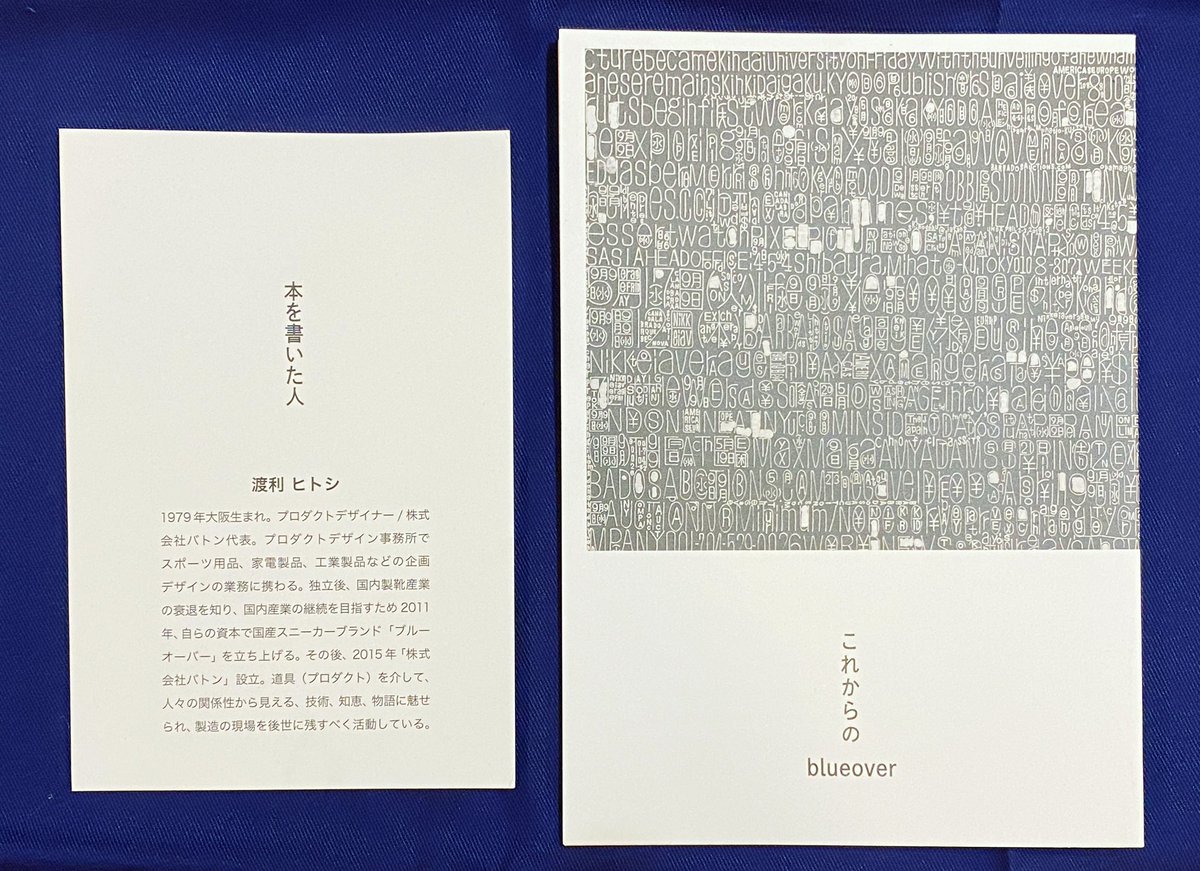
    おはようございます🌂 今朝は尊敬するご家族がご来店🙇欲しかったこちらの冊子を直接頂きました✨京町堀のstructさんで貰えます👟 本日もデザスプは22時まで営業🚪2テーブル空き。雨が降りそうですが雨宿りボドゲ是非‼️ #blueover #struct #日本製 #スニーカー #国内産業の継続 #渡利ヒトシ #デザスプ
    Download
    019
  22. Struct Finance Persian🇮🇷@StructPersian
    خزانه های #GMX ما اولین دوره #Struct بود و موفقیت بزرگی داشتند دومین دوره Struct، استخرهای خودکار ساختاریافته ما با #TraderJoe هستند، و آنها دقیقاً در گوشه و کنار هستند. تیم مشغول بوده است و ما بیصبرانه منتظریم تا آنچه را که ساخته‌ایم رونمایی کنیم چه کسی هیجان زده است 👀
    Download
    68992
  23. Suraj Sharma✓@suraj_sharma14
    As an Agentic AI Engineer, you must build these projects. 1.) Async Agent Orchestrator Build: A FastAPI + asyncio event loop handling 100+ concurrent agent tasks with non-blocking tool calls and graceful error recovery. Why: `while True` loops block the main thread. Real-world agents require event-driven concurrency to survive production traffic. 2.) Dynamic Context Budget Assembler Build: A pre-flight middleware that strictly allocates tokens across system prompts, retrieved docs and tool schemas per request. Why: Context overflow is the #1 silent killer of production agents. You must budget tokens like you budget cloud spend. 3.) Strict Pydantic Tool Router Build: A tool execution engine that forces LLM outputs into strict JSON schemas and automatically retries with the error trace on validation failure. Why: Agents hallucinate API parameters. Grammar-constrained decoding and Pydantic validation turn stochastic outputs into deterministic actions. 4.) 3-Tier Memory & Eviction Engine Build: A memory system with working scratchpads, episodic session compression and semantic vector search with automated TTL eviction. Why: Infinite context causes OOM errors and hallucinations. Memory must be actively managed, scored and pruned. 5.) Self-Healing ReAct Loop Build: An agent that reads its own stack traces, parses the compiler/API error, rewrites the failing tool call and retries up to 3 times. Why: Agents that fail on the first try are useless. Agents that debug themselves are digital employees. 6.) Typed Multi-Agent Swarm Build: A LangGraph state machine where a Researcher, Coder and Reviewer agent pass strictly typed state objects, never raw text. Why: Single agents fail on complex tasks. Swarms divide and conquer but raw text handoffs cause context drift. 7.) Async HITL Slack Gate Build: A workflow that drafts a high-stakes action, serializes its state and waits 3 days for a human to click "Approve" via a Slack webhook. Why: High-stakes automation requires human accountability. Agents must know how to pause, wait, and resume cleanly. 8.) Trajectory Eval CI Gate Build: A GitHub Action that replays 100 agent trajectories and blocks the PR if the tool-call sequence deviates from the golden DAG. Why: Grading the final text output hides the fact that the agent hallucinated an API call or skipped a safety check to get there. 9.) OpenTelemetry Agent Tracer Build: Custom tracing spans capturing every LLM hop, token count, tool latency and state mutation in LangSmith or Arize. Why: You cannot debug a 14-step agent workflow if you can't replay the exact sequence of events that led to the failure. 10.) Inter-Agent Sanitization Proxy Build: Middleware that intercepts messages between agents, stripping malicious instructions to prevent cross-agent prompt injection. Why: Multi-agent systems create internal attack surfaces. Agent A can be tricked into hijacking Agent B's tools. 11.) Sandboxed Code Executor Build: A code-interpreter agent that writes and executes Python in an isolated E2B or gVisor microVM with zero internet egress. Why: Letting an LLM run `os.system()` on your host machine is a catastrophic security risk. 12.) Cost Kill-Switch Middleware Build: A router tracking loop depth and projected spend that instantly halts the agent if it exceeds $0.50, falling back to a cheaper model. Why: A runaway agent loop is an outage with an invoice. It will burn $500 in API credits before you notice. 13.) API-to-Browser Fallback Agent Build: A routing layer where if the primary REST API 404s or times out, the agent seamlessly spawns a headless browser to finish the GUI workflow. Why: The real world is messy. 80% of enterprise software has no API. Agents must adapt to broken environments. 14.) Shadow Trajectory Comparator Build: A silent 5% traffic mirror that runs a new agent topology in the background, diffing tool-call paths and costs without affecting users. Why: You cannot A/B test non-determinism safely in production without shadow mode. 15.) Public Architecture Teardown Build: 3 published deep-dives detailing your swarm topology, state-machine design, inter-agent security and cost-per-task analysis. Why: Top AI labs hire Agent Engineers based on their system design judgment not their ability to import LangChain. Systems that prove you can orchestrate, secure & scale when autonomous agents touch your stack. Most people watch tutorials. Builders ship systems. Bookmark & Repost.
    Suraj Sharma @suraj_sharma14
    If I had 6 months to become an Agentic AI Engineer. I'd do this. Stage 1: Python + Async Foundations asyncio, FastAPI, event-driven architecture, error handling, API integration patterns. Stage 2: LLM Fundamentals for Agents Context management, model routing, token economics, latency tradeoffs, failure modes. Stage 3: Tool Calling + Structured Outputs Pydantic validation, function calling schemas, error recovery, dynamic tool discovery. Stage 4: Memory + State Management Short-term buffers, long-term vector recall, context compression, cross-session sync. Stage 5: Single Agent Workflows ReAct loops, plan-and-execute, self-reflection, iteration limits, graceful degradation. Stage 6: Multi-Agent Orchestration LangGraph/CrewAI, supervisor patterns, message passing, conflict resolution, handoffs. Stage 7: Human-in-the-Loop Systems Uncertainty detection, approval gates, audit trails, resume logic, intervention points. Stage 8: Evaluation + Quality Assurance Automated eval harnesses, LLM-as-a-judge, regression testing, hallucination metrics. Stage 9: Observability + Tracing Distributed tracing (LangSmith/Arize), cost dashboards, latency monitoring, alerting. Stage 10: Security + Guardrails Prompt injection defense, output filtering, PII redaction, sandboxed execution, compliance. Stage 11: Production Deployment vLLM/SGLang, Kubernetes scaling, CI/CD for agents, canary releases, rollback strategies. Stage 12: Open Source + Portfolio Ship autonomous agents publicly, write architecture docs, record demos, contribute to libs. Most people stay stuck watching tutorials. Builders get hired. (Bookmark it)
    601751.7K116K
  24. Suraj Sharma✓@suraj_sharma14
    If I had 6 months to become an Agentic AI Engineer. I'd do this. Stage 1: Python + Async Foundations asyncio, FastAPI, event-driven architecture, error handling, API integration patterns. Stage 2: LLM Fundamentals for Agents Context management, model routing, token economics, latency tradeoffs, failure modes. Stage 3: Tool Calling + Structured Outputs Pydantic validation, function calling schemas, error recovery, dynamic tool discovery. Stage 4: Memory + State Management Short-term buffers, long-term vector recall, context compression, cross-session sync. Stage 5: Single Agent Workflows ReAct loops, plan-and-execute, self-reflection, iteration limits, graceful degradation. Stage 6: Multi-Agent Orchestration LangGraph/CrewAI, supervisor patterns, message passing, conflict resolution, handoffs. Stage 7: Human-in-the-Loop Systems Uncertainty detection, approval gates, audit trails, resume logic, intervention points. Stage 8: Evaluation + Quality Assurance Automated eval harnesses, LLM-as-a-judge, regression testing, hallucination metrics. Stage 9: Observability + Tracing Distributed tracing (LangSmith/Arize), cost dashboards, latency monitoring, alerting. Stage 10: Security + Guardrails Prompt injection defense, output filtering, PII redaction, sandboxed execution, compliance. Stage 11: Production Deployment vLLM/SGLang, Kubernetes scaling, CI/CD for agents, canary releases, rollback strategies. Stage 12: Open Source + Portfolio Ship autonomous agents publicly, write architecture docs, record demos, contribute to libs. Most people stay stuck watching tutorials. Builders get hired. (Bookmark it)
    561381.2K181K
  25. Show more posts