Jan Claas Behrends

@jcbehrends

History prof @viadrina Russia & Ukraine. #Ostpolitik Football & cycling. All tweets private. Слава Україні!

  • Berlin.
  • Joined
1.5K Following16.6K Followers27.8K Posts
  1. Jan Claas Behrends@jcbehrends
    Probleme haben wohl nichts mit den falschen Weichenstellungen der Merkel Regierungen zu tun. Und Merkel versuchte auch Gauck, einen fähigen Buprä zu verhindern. Just sayin'.
    Peter Altmaier @peteraltmaier
    Außerhalb der Bubble habe ich niemanden getroffen, der sich einen Kopp macht, wer Bundespräsident werden soll. Aber ich treffe ständig Leute, die wissen wollen, was sie wann bei Rente, Krankheit, Pflege erwartet. Wie hoch die Mieten werden und warum Bauen so teuer ist. Isso.
    0111525
  2. Peter Altmaier@peteraltmaier
    Außerhalb der Bubble habe ich niemanden getroffen, der sich einen Kopp macht, wer Bundespräsident werden soll. Aber ich treffe ständig Leute, die wissen wollen, was sie wann bei Rente, Krankheit, Pflege erwartet. Wie hoch die Mieten werden und warum Bauen so teuer ist. Isso.
    3661081.4K55.6K
  3. Jan Claas Behrends@jcbehrends
    Jan Claas Behrends
    RT @JulesWarDa: Während der schrecklichen "Apartheid" strömen israelische Beduinen in die Wahllokale um ihre demokratisch verbrieften Rechte wahrzunehmen.
    058046
  4. Jan Claas Behrends@jcbehrends
    Ich wäre für einen Historiker.
    Karina Moessbauer @K_Moessbauer
    Causa BuPrä: Joachim Gauck: Theologe Frank-Walter Steinmeier: Jurist Mehr gibt es zu dem angeblich notwendigen Fähigkeitsprofil „juristische Expertise“ für das Amt nicht zu sagen.
    122603.4K
  5. Karina Moessbauer@K_Moessbauer
    Causa BuPrä: Joachim Gauck: Theologe Frank-Walter Steinmeier: Jurist Mehr gibt es zu dem angeblich notwendigen Fähigkeitsprofil „juristische Expertise“ für das Amt nicht zu sagen.
    332344942.7K
  6. Jan Claas Behrends@jcbehrends
    Juckt das noch in der @spdberlin ?
    AJC Berlin @AJCBerlin
    Laut Medienberichten wurde ein Mann in Berlin gefragt, ob er Jude sei. Nachdem er bejahte, wurde er mehrfach brutal geschlagen. Dass die antisemitische Attacke öffentlich beinahe keine Reaktion auslöst, ist erschreckend. Wir wünschen ihm schnelle Genesung.
    7211252.2K
  7. AJC Berlin@AJCBerlin
    Laut Medienberichten wurde ein Mann in Berlin gefragt, ob er Jude sei. Nachdem er bejahte, wurde er mehrfach brutal geschlagen. Dass die antisemitische Attacke öffentlich beinahe keine Reaktion auslöst, ist erschreckend. Wir wünschen ihm schnelle Genesung.
    2315766838.5K
  8. Jan Claas Behrends@jcbehrends
    So geht Journalismus. 🇺🇦 Auch in harten Zeiten.
    Vassili Golod @VassiliGolod
    Wir sind zurück! Im Mai 2026 wurde unser ARD-Studio Kyjiw infolge eines russischen Angriffs in Teilen zerstört. Pünktlich zu unserem dritten Geburtstag sind die Reparaturarbeiten vollständig abgeschlossen. Danke an unser engagiertes Kyjiw-Team & für den Rückhalt aus Köln! ❤️ 1/10
    0243929
  9. Vassili Golod@VassiliGolod
    Wir sind zurück! Im Mai 2026 wurde unser ARD-Studio Kyjiw infolge eines russischen Angriffs in Teilen zerstört. Pünktlich zu unserem dritten Geburtstag sind die Reparaturarbeiten vollständig abgeschlossen. Danke an unser engagiertes Kyjiw-Team & für den Rückhalt aus Köln! ❤️ 1/10
    Download
    1553472.5K80.7K
  10. Jan Claas Behrends@jcbehrends
    👇
    Martin Schulze Wessel @MSchulzewessel
    Der ARD-Podcast, „Streitkräften und Strategien“ hat ein Gespräch mit mir geführt über Russlands Krieg und seine historischen Dimensionen. Das Gespräch basiert auf meinem neuen Buch „Warum #Russland nicht aufhören wird. Sieben Thesen“, @CHBeckLiteratur
    0415904
  11. Martin Schulze Wessel@MSchulzewessel
    Der ARD-Podcast, „Streitkräften und Strategien“ hat ein Gespräch mit mir geführt über Russlands Krieg und seine historischen Dimensionen. Das Gespräch basiert auf meinem neuen Buch „Warum #Russland nicht aufhören wird. Sieben Thesen“, @CHBeckLiteratur
    220742.6K
  12. Jan Claas Behrends@jcbehrends
    Jan Claas Behrends
    RT @Baltic_Takes: “Dear Italian students, who today take to the streets carrying flags with the hammer and sickle and wearing T-shirts emblazoned with ‘CCCP’,” began an open letter in Italian by Lithuanian expat Neringa Budryt. “I would like to ask you a question: do you truly know what the symbols you carry represent? And do you know what would have happened to many of you had you openly demonstrated in countries living under the oppression of communist regimes? Let me tell you something. It is easy to display a red flag when, for you, communism is merely an abstract idea of equality, social justice, and rebellion against the system. It is easy to wear a T-shirt with "CCCP" on it when you have never experienced the reality of a communist regime. We come from that part of Europe where communism was not a T-shirt, a symbol of rebellion, or a romanticized notion of equality. It was the system in which we lived—a system we never chose. We know the history of Soviet repression, Stalinist purges, the Gulags, and mass deportations. Above all, we know the word "Siberia"—a place to which thousands of innocent people were forcibly deported, simply for thinking differently. In Siberia—amidst freezing cold, starvation, and forced labor—many lost their lives; those who survived carried the scars of that experience forever. Entire families were torn apart, and generations were denied the chance to live freely in their own homeland. In the countries of the Soviet bloc, censorship, political police, surveillance, and the suppression of dissent drastically curtailed individual freedoms. We grew up in a system where state control permeated even our daily lives. At school, we were required to wear the red necktie of the "Pioneers." We were monitored; they tracked where we went and even whether we attended church. Even faith—a choice that should belong to an individual’s own conscience—could become a cause for suspicion. We used to celebrate Christmas with our windows blacked out, to ensure no one would see us and report us. Because it was forbidden—just like so many other things: jeans, rock music, and all the symbols of a Western lifestyle. My mother returned from a Soviet labor camp. And do you know what happened to her? She was barred from continuing her education because she had been labeled an enemy of communism. Under a communist regime, you could not protest. You risked arrest, imprisonment, interrogation, persecution—and, in certain historical contexts, even death. In the Soviet Union and other communist regimes, political dissent could cost you your freedom and your life. Demonstrations independent of the authorities were not a guaranteed right; they were often suppressed by force. That is why it strikes me to see young Italians proudly displaying the hammer and sickle—symbols associated with regimes that persecuted and imprisoned millions of people. Today, you are free to take to the streets, shout against the government, criticize institutions, and wave your flags precisely because you live in a democracy that grants you these freedoms. Under an authoritarian regime of that kind, protesting against those in power could have landed you in prison. This is not about denying the existence of social injustices, inequalities, or the right to fight for a better world. You are free to take to the streets to demand a more just society—but you should not idealize a system that denied so many people the very things you are free to exercise today: the right to choose, to believe, to speak, and to dissent. Before wearing a T-shirt with "CCCP" on it, listen to those who experienced that world. Talk to the deportees and their descendants; read the accounts of those who endured the gulags and forced exile to Siberia. Learn what it meant to be stripped of your freedom, your home, your loved ones—and even any prospect of a normal life—simply because of your background or your beliefs. Before waving the hammer and sickle, please, study history thoroughly.”
    02.8K054
  13. Jan Claas Behrends@jcbehrends
    Jan Claas Behrends
    RT @Roger_Moorhouse: The barbarians are inside the gates
    Andrew Doyle @andrewdoyle_com
    Protesters have occupied the colosseum in Rome. Where are those lions when you need them?
    04052
  14. Andrew Doyle✓@andrewdoyle_com
    Protesters have occupied the colosseum in Rome. Where are those lions when you need them?
    Download
    561571.2K21.4K
  15. Jan Claas Behrends@jcbehrends
    👇🇺🇦👇
    Jeanne Ava Plaumann | ژان ئاڤا @JeannePlaumann
    Weihnachten soll eine schöne Zeit sein. Für viele Kinder in der #Ukraine bedeutet es seit fünf Jahren: Geschenke auspacken im Bunker, oder #Weihnachten auf der Flucht. Ihr könnt jetzt den Kids an der Front Geschenke schicken – die Freude ist immer riesig!
    23221.3K
  16. Jeanne Ava Plaumann | ژان ئاڤا✓@JeannePlaumann
    Weihnachten soll eine schöne Zeit sein. Für viele Kinder in der #Ukraine bedeutet es seit fünf Jahren: Geschenke auspacken im Bunker, oder #Weihnachten auf der Flucht. Ihr könnt jetzt den Kids an der Front Geschenke schicken – die Freude ist immer riesig!
    027705.8K
  17. Jan Claas Behrends@jcbehrends
    Jan Claas Behrends
    RT @Sasha_Etkind: Male life expectancy in Russia is 68 years (81 in Germany). Suicide rate doubles that of Germany, homicide rate 2-3 times higher, alcohol and drug use much higher. Domestic violence is decriminalized. And about one million left Russia after 2022
    0108054
  18. Jan Claas Behrends@jcbehrends
    👇
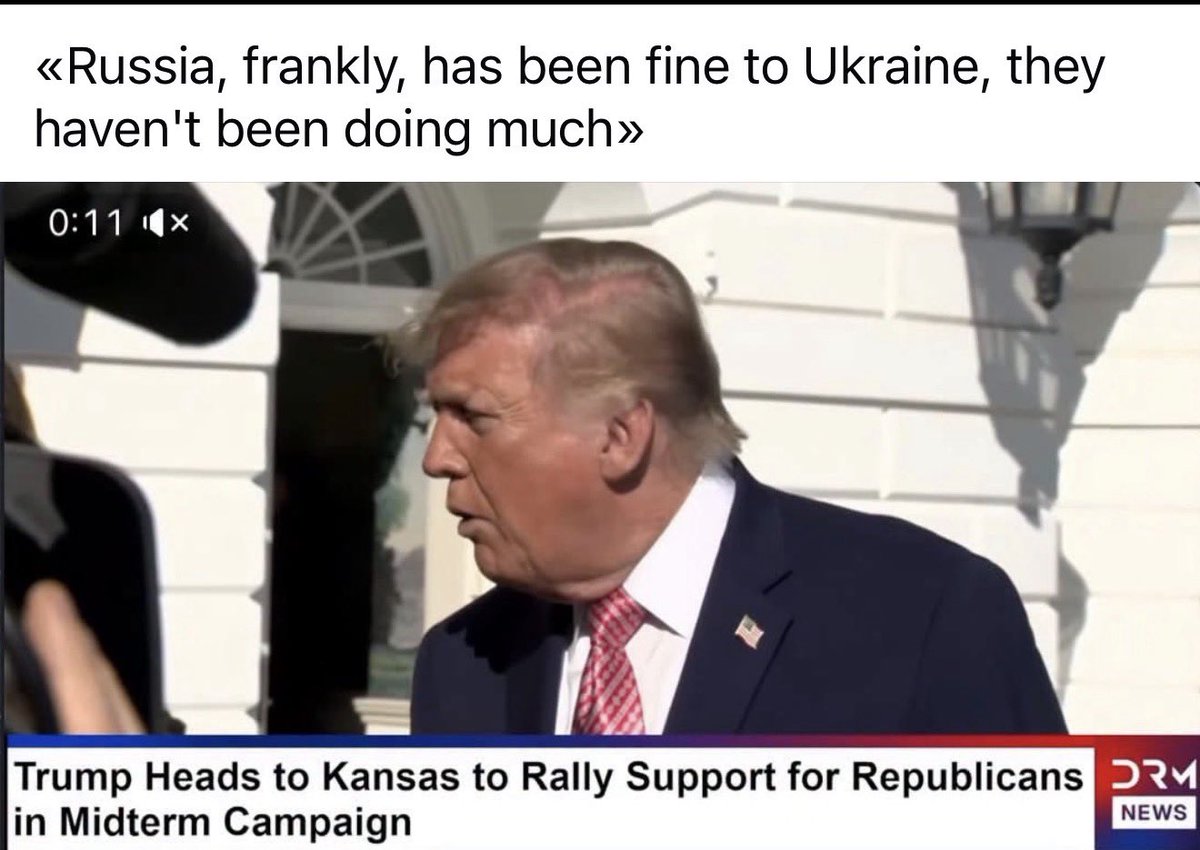
    Christopher Steele @Chris_D_Steele
    Given Trump’s latest pivot to supporting Russian dictator Putin in his failing war of aggression against Ukraine, we Europeans must step up to the plate. UK, France and Germany can’t allow Moscow to prevail. It would be the death knell of our peace and security for a generation.
    115734
  19. Jan Claas Behrends@jcbehrends
    Jan Claas Behrends
    RT @CrimeanVoyager: This week, @toonie_tuesday is teaming up with @wilendhornets to support the heroes of the 3rd Airmobile Battalion of the 77th Separate Airmobile Brigade. These legends need our support NOW. Every donation counts. Please chip in and spread the word!
    Official Toonie Tuesday 🎗️ @toonie_tuesday
    Fierce When Provoked. Unstoppable When Supported. This Toonie Tuesday we are working with @wilendhornets to raise money for the heroes of the 3rd Airmobile Battalion of the 77th Separate Airmobile Brigade ("Naddnipryanska"). One of their trucks was hit by a drone and we are looking to raise $10,000 to replace it. To help push this, Wild Hornets is offering a signed flag to the highest donor! See details below in comments. Donate €2 £2 $2 screenshot in replies & repost Monojar: PP: opivas2017evrey@gmail.com Check out the video below and spread the word.
    021048
  20. Official Toonie Tuesday 🎗️✓@toonie_tuesday
    Fierce When Provoked. Unstoppable When Supported. This Toonie Tuesday we are working with @wilendhornets to raise money for the heroes of the 3rd Airmobile Battalion of the 77th Separate Airmobile Brigade ("Naddnipryanska"). One of their trucks was hit by a drone and we are looking to raise $10,000 to replace it. To help push this, Wild Hornets is offering a signed flag to the highest donor! See details below in comments. Donate €2 £2 $2 screenshot in replies & repost Monojar: PP: opivas2017evrey@gmail.com Check out the video below and spread the word.
    Download
    9422034580.8K
  21. Jan Claas Behrends@jcbehrends
    Russia kills
    Anton Gerashchenko @Gerashchenko_en
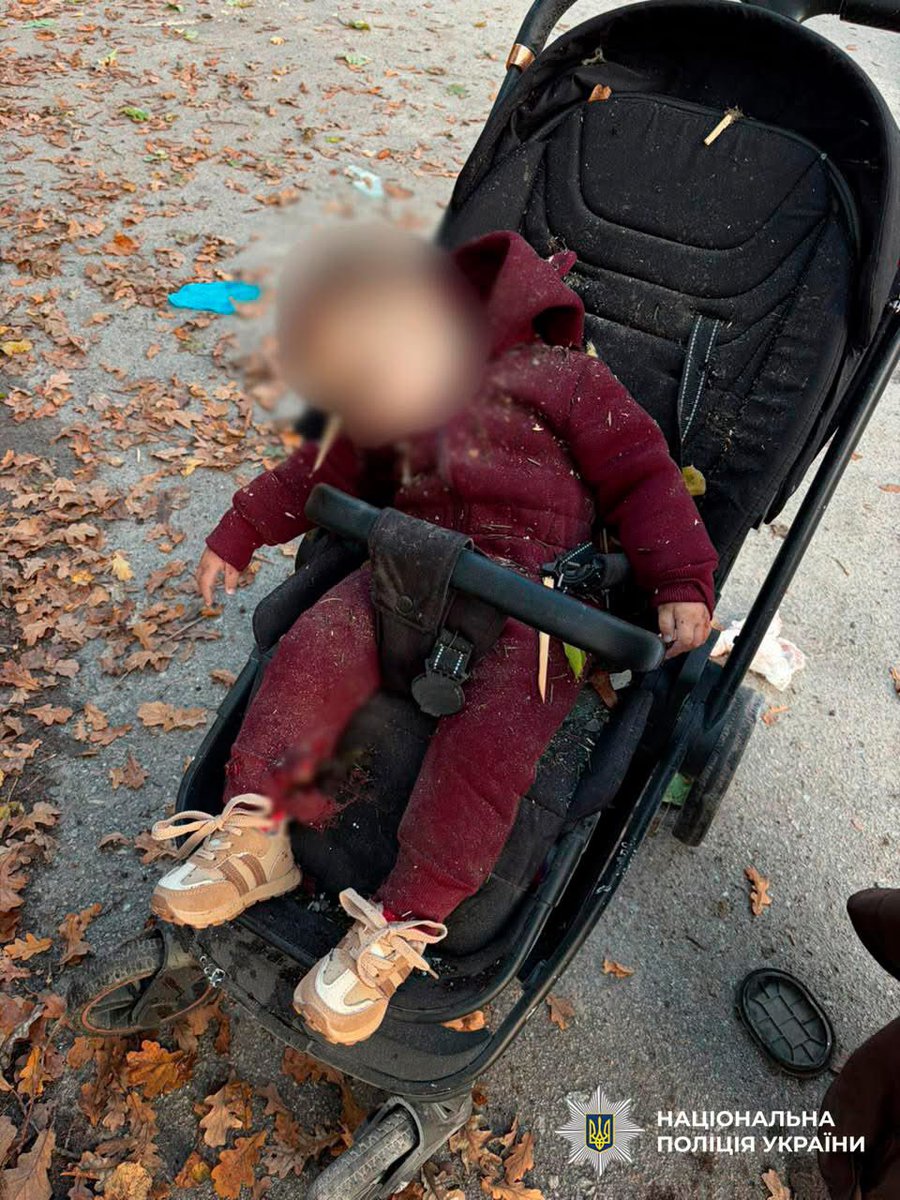
    Baby Anhelina and her mom Inna were killed by Russia yesterday. Anhelina was just over a year old. Her mom, Inna Mariukhna, was a primary school teacher. They were in the park in Nova Vodolaha, Kharkiv region, when a Russian drone attacked. Little Anhelina was killed in her stroller. Her mom died of her injuries in hospital. Another girl killed in the strike was just 11 years old. Six people lost their lives from that Russian strike. All of them had simply been spending time in the park. At least 15 more were injured, including seven kids. Deepest condolences...
    038511
  22. Anton Gerashchenko✓@Gerashchenko_en
    Baby Anhelina and her mom Inna were killed by Russia yesterday. Anhelina was just over a year old. Her mom, Inna Mariukhna, was a primary school teacher. They were in the park in Nova Vodolaha, Kharkiv region, when a Russian drone attacked. Little Anhelina was killed in her stroller. Her mom died of her injuries in hospital. Another girl killed in the strike was just 11 years old. Six people lost their lives from that Russian strike. All of them had simply been spending time in the park. At least 15 more were injured, including seven kids. Deepest condolences...
    Download
    6165.1K12K286K
  23. Jan Claas Behrends@jcbehrends
    Jan Claas Behrends
    RT @igorpianist: „Wir können nicht immer wegrennen, wir können nicht immer auswandern, wir müssen gegen den neuen Antisemitismus kämpfen.“ Solche Sätze müssen Juden 2026 wieder sagen. In Billers „Schwarze Samstage“ heißt es: „Das goldene Zeitalter für die Juden ist vorbei. Finita la commedia.“
    Jüdische Allgemeine @JuedischeOnline
    Jüdisches Leben in Europa hat eine Zukunft, aber nicht von allein. Dafür braucht es nach den Worten des Oberrabbiners Pinchas Goldschmidt Partner in den Regierungen und in der Zivilgesellschaft.
    081034
  24. Jüdische Allgemeine@JuedischeOnline
    Jüdisches Leben in Europa hat eine Zukunft, aber nicht von allein. Dafür braucht es nach den Worten des Oberrabbiners Pinchas Goldschmidt Partner in den Regierungen und in der Zivilgesellschaft.
    810619.6K
  25. Jan Claas Behrends@jcbehrends
    👇
    Felix Dachsel @xileffff
    Sie verwüsten Synagogen und nennen es Bildungsproteste. Sie marschieren gegen Israel und nennen es Klimaproteste. Sie zeigen das Hamas-Dreieck und nennen es Friedensproteste. Der erste Schritt, diesem Wahnsinn entgegenzutreten, ist die sprachliche Demaskierung.
    112701.8K
  26. Felix Dachsel@xileffff
    Sie verwüsten Synagogen und nennen es Bildungsproteste. Sie marschieren gegen Israel und nennen es Klimaproteste. Sie zeigen das Hamas-Dreieck und nennen es Friedensproteste. Der erste Schritt, diesem Wahnsinn entgegenzutreten, ist die sprachliche Demaskierung.
    594342.5K48.5K
  27. Jan Claas Behrends@jcbehrends
    Jan Claas Behrends
    RT @fuecks: Vandalismus gegen den Feltrinelli-Buchladen in Turin. Der linke Radikalismus frisst seine Väter. Feltrinelli war 68ff die publizistische Tribüne der italienischen Linken.
    Hillel Neuer @HillelNeuer
    Youth in Turin take a stand for education rights and cost of living by looting and destroying bookstore.
    0187027
  28. Hillel Neuer✓@HillelNeuer
    Youth in Turin take a stand for education rights and cost of living by looting and destroying bookstore.
    Download
    1131.1K3.8K163K
  29. Jan Claas Behrends@jcbehrends
    Die Leute, die Frankreich in Brand setzen, regieren bald Berlin. Dank Grünen und SPD. Das hässliche Gesicht des Islamo-gauchisme.
    Le Figaro @Le_Figaro
    Scènes de chaos en marge des manifestations →
    35663316.5K
  30. Le Figaro✓@Le_Figaro
    Scènes de chaos en marge des manifestations →
    Download
    11303616.5K
  31. Jan Claas Behrends@jcbehrends
    Still one of the most amazing Soviet stories.
    Archaeo - Histories @archeohistories
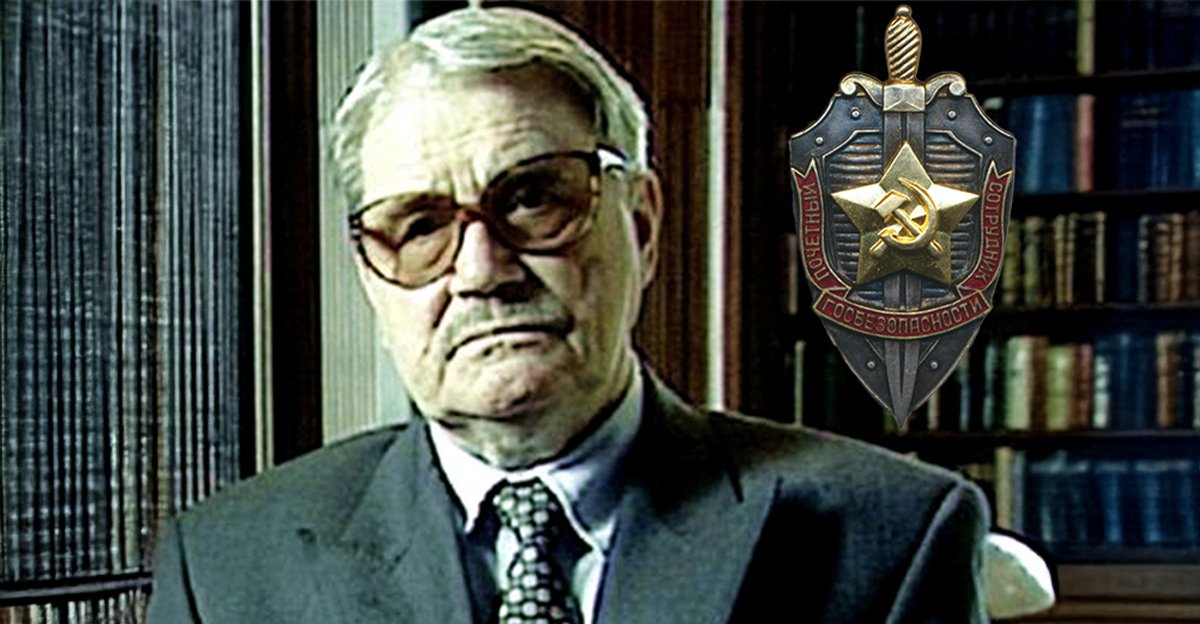
    Vasili Mitrokhin (1922-2004), a Soviet KGB archivist who secretly copied and compiled thousands of classified intelligence files during the Cold War... Every evening between 1972 and 1984, a quiet, bespectacled archivist named Vasili Mitrokhin walked out of the KGB’s foreign intelligence headquarters in Moscow with crumpled slips of paper tucked into the soles of his shoes. Past armed guards, metal detectors, and internal security checkpoints, the fifty-something bureaucrat flashed his pass and stepped out into the Moscow cold. Under his arm sat no classified briefcase; in his pockets lay nothing suspicious. But stuffed into his socks and underwear were minute, handwritten notes detailing the Soviet Union's deepest global operations: assassination directives, illegal networks, foreign political bribes, and clandestine weapons caches buried across NATO territory. For over a decade, while the most paranoid surveillance state on earth hunted Western moles, an unassuming clerk was methodically stealing the entire KGB archive from the inside out. Mitrokhin had spent his early career as an undercover operative in the Middle East before an ideological clash saw him sidelined to the archive section of the First Chief Directorate. Disillusioned by Nikita Khrushchev’s 1956 denunciation of Stalin’s terror and permanently radicalized by the brutal 1968 invasion of Czechoslovakia, Mitrokhin viewed the Soviet apparatus as a criminal conspiracy against humanity. In 1972, fate handed him the keys to the kingdom: the KGB began transferring its vast foreign intelligence archives from the cellars of the Lubyanka to a new, sprawling complex at Yasenevo. Mitrokhin was assigned the monumental task of cataloging, verifying, and sealing roughly three hundred thousand secret files. Working entirely alone in windowless vaults, surrounded by decades of operational espionage, Mitrokhin began his silent counter-revolution. Because photocopying machines were strictly guarded and heavily audited, he copied files by hand onto scraps of paper, transcribing names, operational code words, dead-drop locations, and cipher systems in microscopic handwriting. At the end of each workday, he concealed the stolen notes on his body and walked through the security checkpoints without raising suspicion. Back at his modest family dacha outside Moscow, Mitrokhin spent his nights transcribing the scribbles onto an ordinary typewriter. He packed the carbon copies and typed sheets into steel milk churns, tin trunks, and aluminum containers, sealing them with tar paper. Late at night, beneath the floorboards of his dacha and under the flowerbeds of his garden, he dug deep pits and buried the metal containers, carefully tamping down the soil so not even his wife suspected what lay below. By the time he retired in 1984, Mitrokhin had assembled over twenty-five thousand pages of KGB history, creating the single largest unauthorized intelligence breach in Soviet history. When the Soviet Union collapsed in late 1991, Mitrokhin knew his hour had arrived. In early 1992, carrying a sample of handwritten notes hidden in his luggage, he boarded a train to the newly independent Baltic states. In Estonia, he walked into the United States Embassy in Tallinn offering to trade his secret archive for political asylum; the CIA officer on duty dismissed him as a crank peddling forged documents and turned him away. Undeterred, Mitrokhin traveled to Riga, Latvia, and walked into the British Embassy. There, an MI6 officer took one look at the authentic operational codes, poured Mitrokhin a cup of tea, and recognized the intelligence discovery of the century. Within months, British intelligence exfiltrated Mitrokhin and his family to the United Kingdom. Soon after, under the noses of Russian security forces, MI6 operatives quietly entered his Moscow dacha, pried up the floorboards, and dug up six heavy milk churns and trunks packed with thousands of classified pages. #archaeohistories
    02131.3K
  32. Archaeo - Histories✓@archeohistories
    Vasili Mitrokhin (1922-2004), a Soviet KGB archivist who secretly copied and compiled thousands of classified intelligence files during the Cold War... Every evening between 1972 and 1984, a quiet, bespectacled archivist named Vasili Mitrokhin walked out of the KGB’s foreign intelligence headquarters in Moscow with crumpled slips of paper tucked into the soles of his shoes. Past armed guards, metal detectors, and internal security checkpoints, the fifty-something bureaucrat flashed his pass and stepped out into the Moscow cold. Under his arm sat no classified briefcase; in his pockets lay nothing suspicious. But stuffed into his socks and underwear were minute, handwritten notes detailing the Soviet Union's deepest global operations: assassination directives, illegal networks, foreign political bribes, and clandestine weapons caches buried across NATO territory. For over a decade, while the most paranoid surveillance state on earth hunted Western moles, an unassuming clerk was methodically stealing the entire KGB archive from the inside out. Mitrokhin had spent his early career as an undercover operative in the Middle East before an ideological clash saw him sidelined to the archive section of the First Chief Directorate. Disillusioned by Nikita Khrushchev’s 1956 denunciation of Stalin’s terror and permanently radicalized by the brutal 1968 invasion of Czechoslovakia, Mitrokhin viewed the Soviet apparatus as a criminal conspiracy against humanity. In 1972, fate handed him the keys to the kingdom: the KGB began transferring its vast foreign intelligence archives from the cellars of the Lubyanka to a new, sprawling complex at Yasenevo. Mitrokhin was assigned the monumental task of cataloging, verifying, and sealing roughly three hundred thousand secret files. Working entirely alone in windowless vaults, surrounded by decades of operational espionage, Mitrokhin began his silent counter-revolution. Because photocopying machines were strictly guarded and heavily audited, he copied files by hand onto scraps of paper, transcribing names, operational code words, dead-drop locations, and cipher systems in microscopic handwriting. At the end of each workday, he concealed the stolen notes on his body and walked through the security checkpoints without raising suspicion. Back at his modest family dacha outside Moscow, Mitrokhin spent his nights transcribing the scribbles onto an ordinary typewriter. He packed the carbon copies and typed sheets into steel milk churns, tin trunks, and aluminum containers, sealing them with tar paper. Late at night, beneath the floorboards of his dacha and under the flowerbeds of his garden, he dug deep pits and buried the metal containers, carefully tamping down the soil so not even his wife suspected what lay below. By the time he retired in 1984, Mitrokhin had assembled over twenty-five thousand pages of KGB history, creating the single largest unauthorized intelligence breach in Soviet history. When the Soviet Union collapsed in late 1991, Mitrokhin knew his hour had arrived. In early 1992, carrying a sample of handwritten notes hidden in his luggage, he boarded a train to the newly independent Baltic states. In Estonia, he walked into the United States Embassy in Tallinn offering to trade his secret archive for political asylum; the CIA officer on duty dismissed him as a crank peddling forged documents and turned him away. Undeterred, Mitrokhin traveled to Riga, Latvia, and walked into the British Embassy. There, an MI6 officer took one look at the authentic operational codes, poured Mitrokhin a cup of tea, and recognized the intelligence discovery of the century. Within months, British intelligence exfiltrated Mitrokhin and his family to the United Kingdom. Soon after, under the noses of Russian security forces, MI6 operatives quietly entered his Moscow dacha, pried up the floorboards, and dug up six heavy milk churns and trunks packed with thousands of classified pages. #archaeohistories
    Download
    476304.1K262K
  33. Christopher Steele@Chris_D_Steele
    Given Trump’s latest pivot to supporting Russian dictator Putin in his failing war of aggression against Ukraine, we Europeans must step up to the plate. UK, France and Germany can’t allow Moscow to prevail. It would be the death knell of our peace and security for a generation.
    31103825.9K
  34. Show more posts