A Forecast of the Near Future:
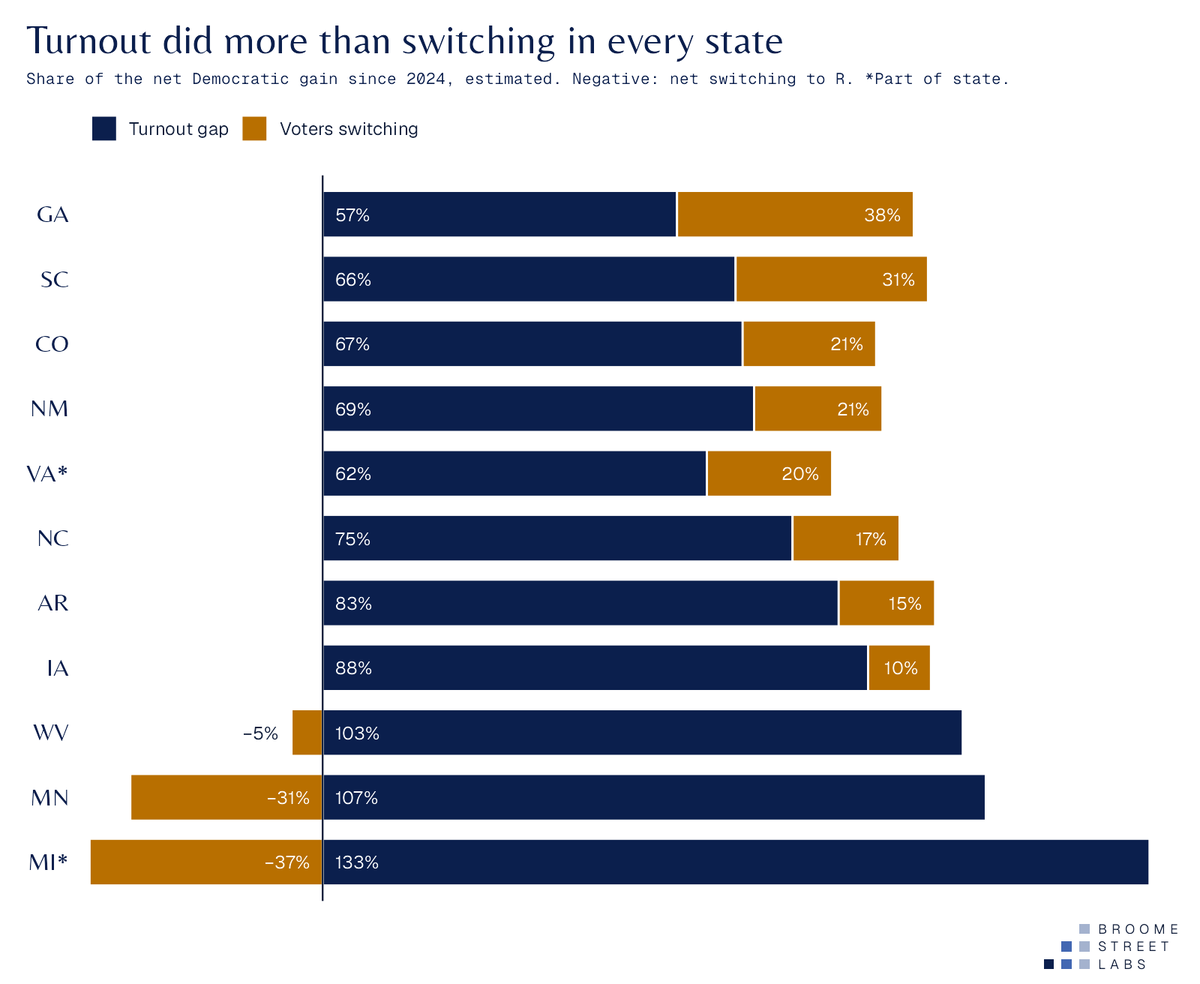
As we close out this remarkable week, discussions are shifting to the impacts of the election on the lame duck, the new committees, and the topics of early bills and funding fights. I want to pan up out of the day to day business and offer some predictions on more macro aspects of politics.
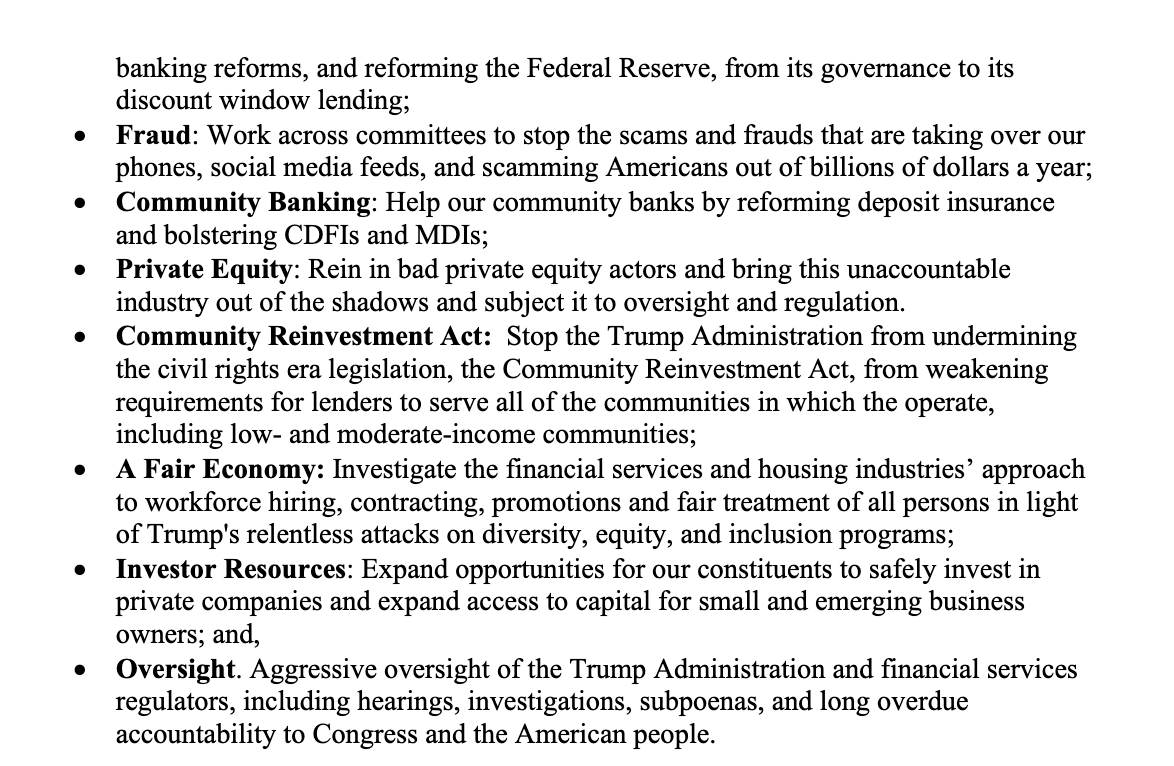
- The new Democratic Majorities that take power in January will not be divided primarily by ideology, whether someone is on the left or in the center. They will instead be divided by seniority. The chairs and their staffs will want to use this moment to achieve long held goals, such as root and branch oversight of corporate America, assuming the freshman will go along. This large freshman class will, like the freshman class after Watergate, realize they have their own different views and will resist being told what to do. In the end, the Chairs probably end up generals without an army.
- There are few deals with the Trump Admin. The Trump WH is not cowed by the results and decides the midterms were a function of the MAGA base being betrayed. While blame is shifted early on (rightfully) to the Iran War as a cause, hardliners inside the WH successfully argue that the base was let down by the lack of more deportations. The WH is disinterested in doing deals with Democrats generally and there are multiple shutdowns. The public sees Washington again as broken.
- The 2028 campaign for President starts early, with the first candidate to declare on the Dem side announcing an exploratory committee before Christmas. The Dems have a massive field, including one statewide elected official who only is sworn into office in January 2027. But unlike 2019, there is a clear S tier of just 3-4 people. The primary is less toxic and contentious than in 2019, as many in the party now realize the policy bidding war was a mistake and need infighting. The absence of Bernie, Biden, and Warren or clear successors to any of them makes the race less about the past and more about the future. On the GOP side, VP Vance chooses not to run but former Secretary of State Rubio does. He does a surprising challenge from the right on both the war and inadequate commitment to hardline immigration policy. The primary is short for the Dems and long for the GOP.
- The next two years of politics are defined, after a short burst of focus on broad oversight, by AI, which continues to pick up speed. The need to have technical knowledge of the subject to do effective oversight and legislation on it favors younger members with less seniority in both parties, reducing the power of the Chairs and Rankers. Technical staff grow in value versus lawyers for the first time in a generation, and surprising “gangs” emerge in the Senate to tackle aspects of the topic for the first real time in a decade. 2028 is the AI election, marked by at least one spectacular hack of major infrastructure during the last 90 days.
- When folks look back on our politics in 2030, it is clear to all that the Trump era, the Long 2016, ended on November 3, 2026, which also marked the end of the Dems long 2016 primary. 2029 also is the first year of an administration in which Dems do not feel compelled to fight over the choices of 2008-2009, whether they win or lose the election, marking the end also of the Long 2009. Trump is gone to Mar a Lago and seen like all former presidents as an artifact of a prior time.
- The Administration that takes office in 2029 experiences a ChatGPT like moment in robotics in its first 9 months. It is a surprise to all in DC.