@Nature recently published an
#interview about the increasing use of
#generative_AI for the creation of scientific images and covers, and I took part in it!❤️🔥
My colleagues, artists 🎨 Rita Clare and
@ChizhikAlexey, are also worried that the use of AI for scientific illustration can increase
#public_mistrust in science. The generated images usually look unrealistic and can lead to the perception of an article as something unrealistic too...
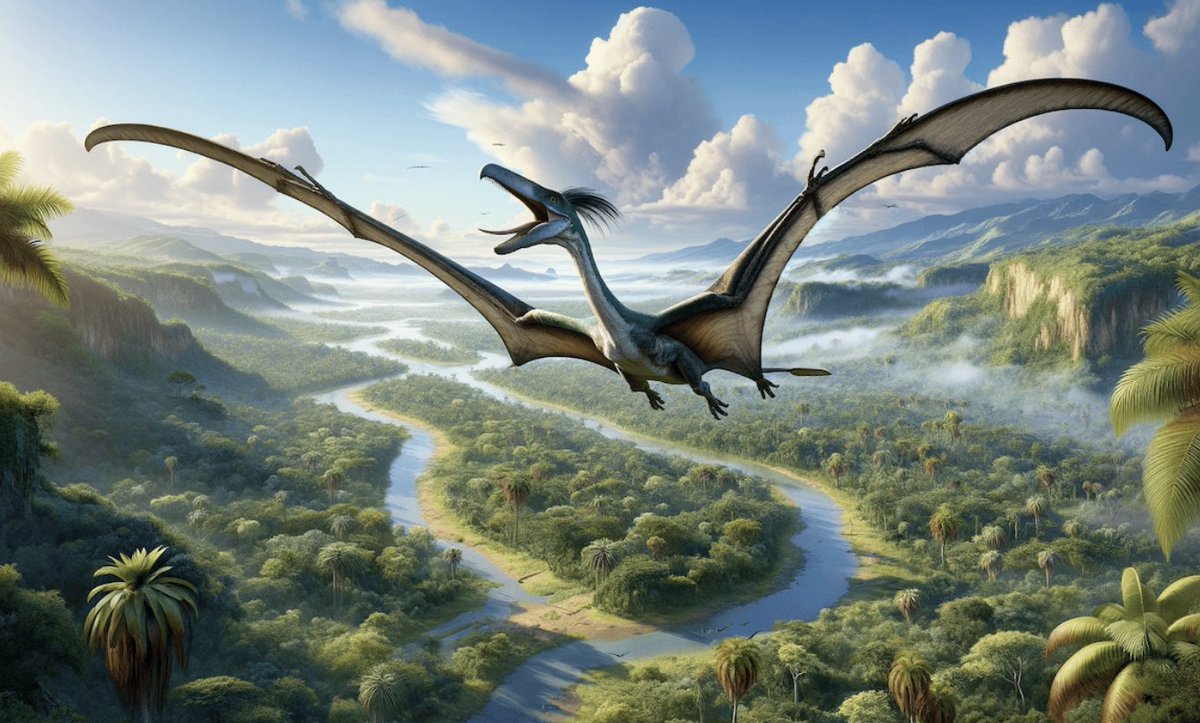
One of the major issues is that AI can’t create images of things it hasn’t seen during training. So even if you try to describe your discovery to it in detail, it will not come up with a proper visualization because it didn't "see" images like the ones you describe in order to re-create them. This phenomenon is obvious in the case of newly discovered extinct species...🦕 AI simply doesn’t know what they really looked like!
Only a professional artist, working closely with researchers, can create visuals that come close to reality. Just look at various
#dinosaur illustrations and try to guess which ones were made by human artists, you’ll notice which feel grounded in science and which are just imagination.😉
NB! I’m not saying AI should be banned from artistic work altogether. What I believe is that journals and institutions should create clear
#guidelines about when and how AI can be used.
For example:
❓ Is it okay to use AI for
#brainstorming visual ideas, but then do all the actual artwork manually?
❓ Can we take an AI-generated image and do a
#correction to make it more realistic?
❓ Is it acceptable to use parts of AI images in a
#collage, combined with original elements?
These are the kinds of questions we need to address before using AI in scientific visuals becomes routine. Are you agree with me?
Full interview: