ICYMI - Here are both segments from todays @CNBC appearances on @CNBCTheExchange reacting to the Fed's moves. Part one here, part two below.
222422086.6K

@jam_croissant
Founder, Kai Wealth. 27y Quant/Vol/Flow/Macro PM. Ex-MMaker,+10% of SPXOpt’s‘06-10 @phillipsacademy, @RiceAlumni,@KelloggAlumni, Vanna-Charmer🐍,🚫Invest Advice
Milk Road AI @MilkRoadAIChamath Palihapitiya just raised a pretty serious concern about the AI boom and I think this could become one of the biggest issues facing the bond market over the next few years. For context, the largest AI companies have accumulated an estimated $340 billion to $400 billion in debt, and the amount of money they need to raise is only getting bigger. Companies like Google, Amazon, and Meta are spending hundreds of billions building data centers, purchasing GPUs, expanding power infrastructure, and developing AI models. The problem is that even some of the most profitable companies in the world are reaching a point where their operating cash flow isn't enough to comfortably finance all that spending. @chamath estimates that the additional financing these companies will need through the end of 2027 could equal roughly 30% of everything the US Treasury is expected to issue over that same period. Think about what that means. Some of the largest corporations in America are now competing with the U.S. government for capital from the same institutional investors, pension funds, insurance companies, and bond funds. If these companies continue flooding the bond market with hundreds of billions in new debt, investors may demand higher yields to absorb all that supply. That creates the potential for upward pressure on borrowing costs across the economy, including mortgages, corporate loans, and government debt. And higher yields would also put pressure on stock valuations, especially growth companies whose valuations depend heavily on future earnings. What's particularly interesting is how dramatically the economics of Big Tech have changed. For years, companies like Google and Meta were essentially cash generating machines with relatively modest capital requirements. Now they're becoming some of the most capital intensive businesses in the world. They're spending enormous amounts of money today on infrastructure that may take years to generate sufficient returns, while committing themselves to additional spending as AI demand continues growing. And this extends well beyond Big Tech. Companies like Oracle, CoreWeave, and Nebius are also financing enormous AI infrastructure projects. The more dependent this entire ecosystem becomes on debt financing, the more sensitive it becomes to interest rates, credit conditions, and investors' willingness to provide capital.


Bearsszn @bearsznThis Ben Johnson segment from Sunday NFL Countdown is awesome. I can’t believe he’s the head coach of the Chicago Bears. He was really born to be a coach. Love it. 🔥 (🎥: @ESPNNFL , @CourtneyRCronin)
fejau @fejau_incIt's really interesting how quiet Bessent has been the last couple weeks


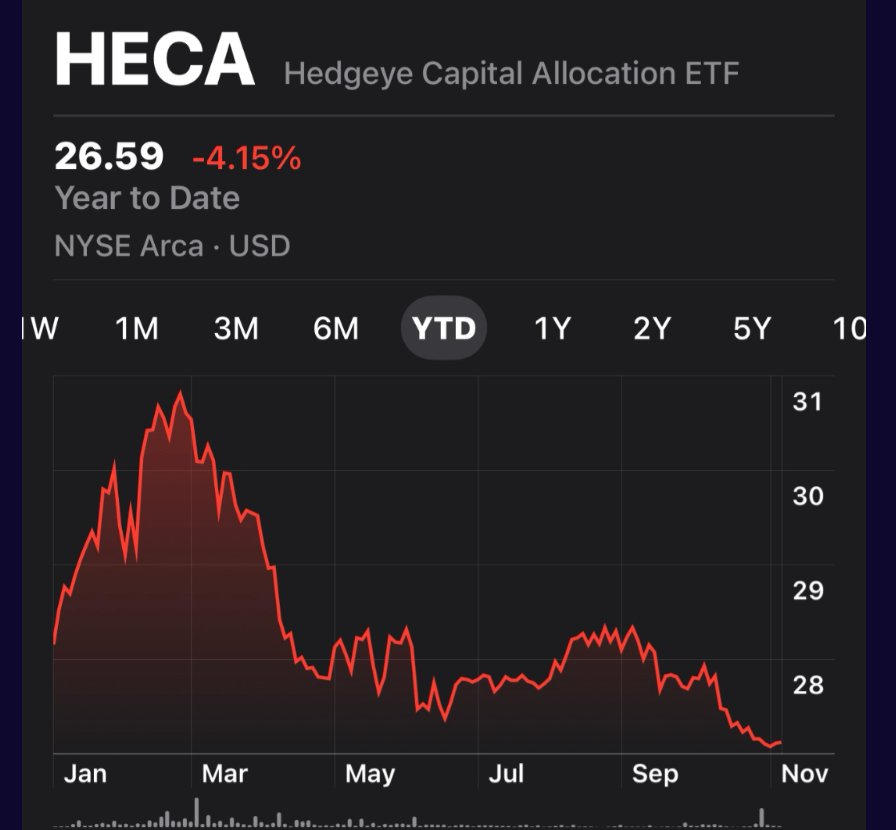
Ryan Detrick, CMT @RyanDetrick@KeithMcCullough Maybe, but I'd be less inclined to put it here. "Among tactical allocation and multi-asset dynamic funds (around 400+ funds in Morningstar/Lipper categories), HECA ranks near the very bottom (410 out of ~415 peers)."