Posts with #ScienceSaturday

#ScienceSaturday

Public posts on X that use #ScienceSaturday.

Related hashtags

  1. Dr. Patrick Hwu✓@PatrickHwuMD
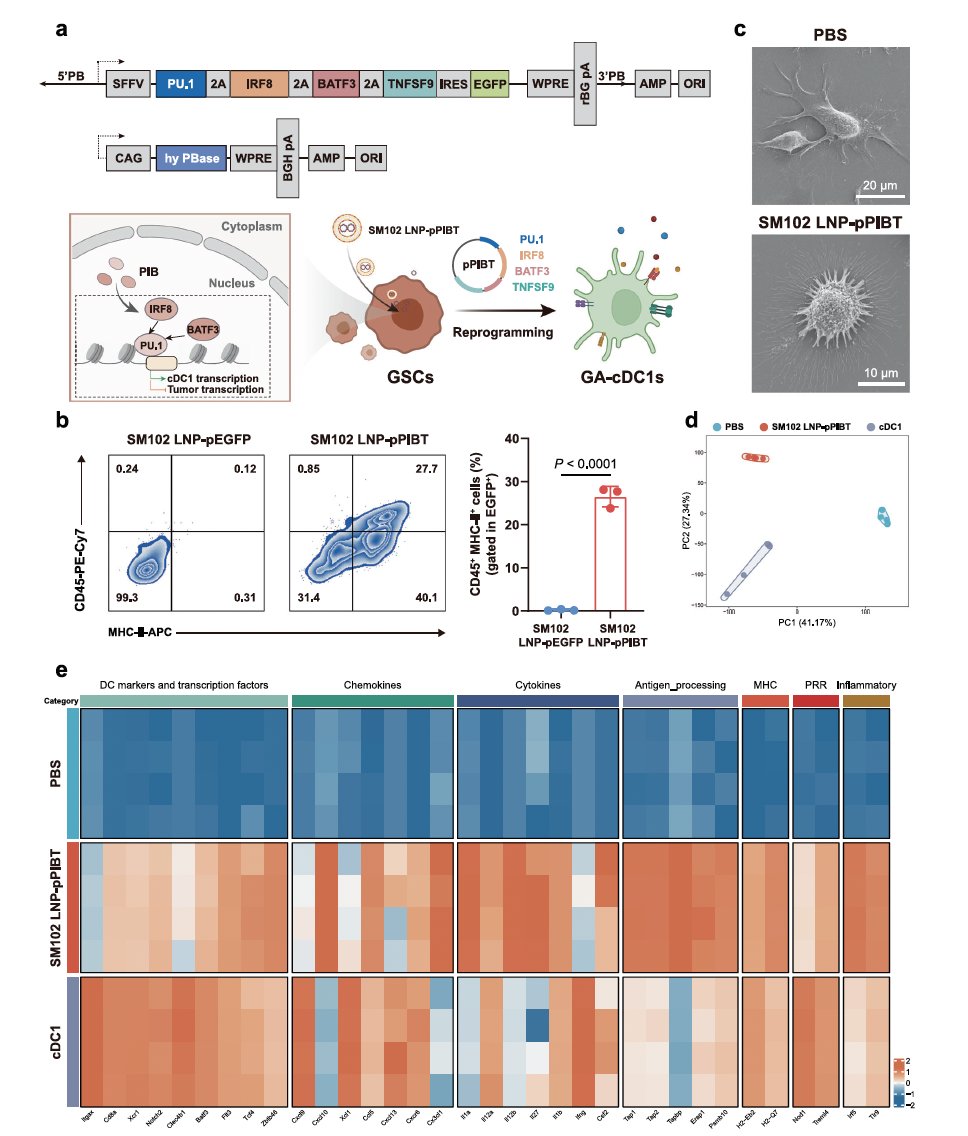
    🧬 #ScienceSaturday What if we could turn cancer cells into cells that teach the immune system how to attack the #tumor? A new study in @NatureComms explores a creative approach to one of the toughest cancers to treat: #glioblastoma. 🔬 Glioblastoma can be difficult for the immune system to recognize, in part because tumor cells may not effectively present the signals T #cells need to identify them as a threat. Researchers developed an injectable nanoparticle-hydrogel system that delivers specific molecular instructions directly to glioma stem cells. Instead of simply trying to kill those cells, the treatment reprogrammed them into cells resembling cDC1 dendritic cells, specialized immune cells that are very good at showing tumor antigens to T cells. 🛡️ Essentially, the researchers turned part of the tumor into an immune educator. The reprogrammed cells presented the tumor’s own antigens and helped activate cancer-fighting T cells. In mouse models, this generated a stronger immune response and long-term antitumor memory, slowed tumor growth and helped prevent glioblastoma from returning after surgery. 💡 Why does this matter? Instead of bringing in a separate cancer vaccine, this approach uses the tumor itself as the source of antigens, potentially transforming an immunologically “cold” tumor into an environment where the #immune system can better recognize and fight cancer. This research introduces a fascinating idea: reprogramming #cancer cells so they help expose the very tumor they belong to. @Nature @NatureMedicine @nature @NatImmunol @NaturePortfolio @ShandongU @ShandongUni1901 Read the study:
    Download
    10271106.7K
  2. Dr. Patrick Hwu✓@PatrickHwuMD
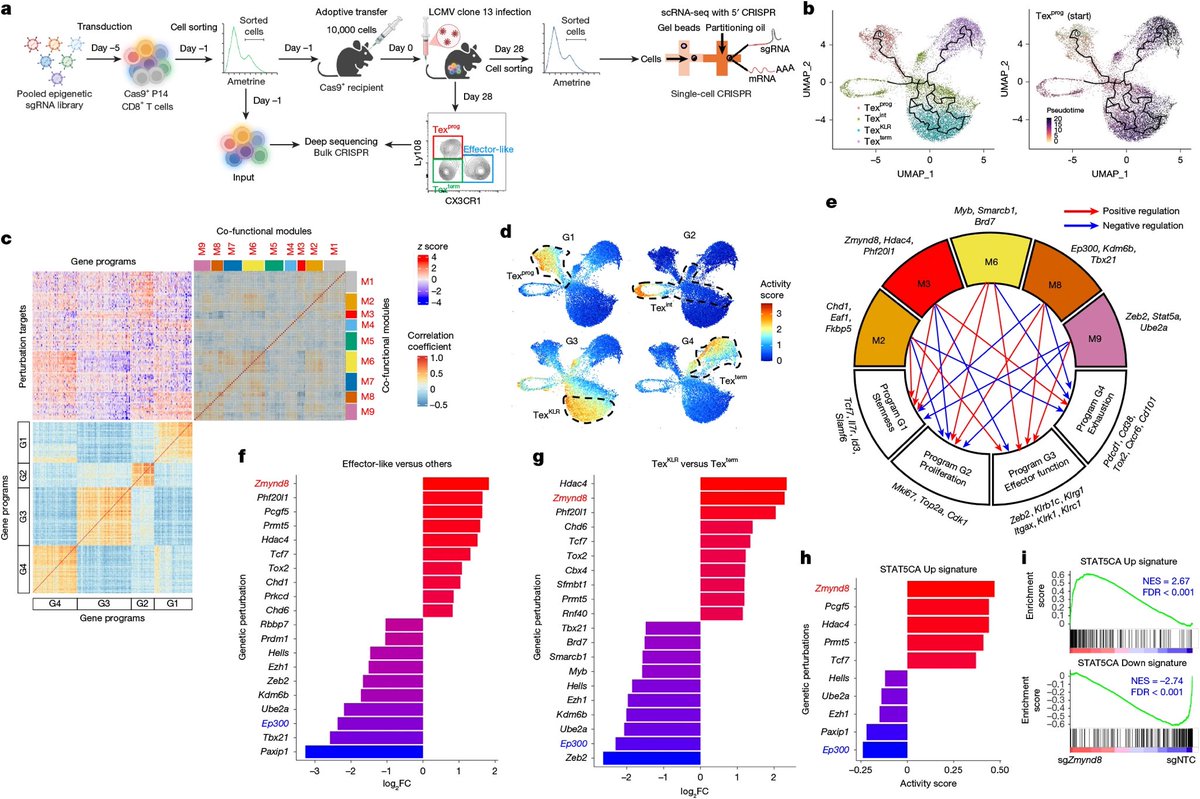
    #ScienceSaturday 🧬 What if we could help the immune system’s cancer-fighting T cells regain their ability to attack tumors, even after they become exhausted? 🔬 New research published in Nature identifies a potential way to do just that. Scientists found that targeting a protein called ZMYND8 can restore signaling pathways that help CD8+ T cells maintain their cancer-killing abilities, rather than progressing toward a more dysfunctional state. 🛡️ Why does this matter? T-cell exhaustion is a major challenge in cancer #immunotherapy. When T cells are exposed to persistent signals from cancer cells, they can gradually lose their ability to mount an effective attack. Researchers found that removing ZMYND8’s inhibitory influence strengthened IL-2 signaling, which helps support T-cell activity and function. 💡 The findings are especially promising because targeting ZMYND8 enhanced antitumor activity in preclinical models, particularly when combined with IL-2 therapy or immune checkpoint blockade. The researchers also observed improvements in human T cells in laboratory studies, offering insight into the potential relevance of this approach. 🚀 Although more research is needed before this strategy can be translated into patient care, the study offers a new avenue for investigating how we might strengthen the immune system’s response to #cancer. 📖 Read the full study in Nature: @hongbo_chi @StJudeResearch @StJude
    Download
    1411347.5K
  3. Dr. Patrick Hwu✓@PatrickHwuMD
    #ScienceSaturday What if #cancer starts weakening T cells before they even reach the tumor? A new study published in @Nature suggests that an important part of cancer’s immune suppression may happen outside the #tumor itself, in nearby lymph nodes where cancer-fighting T cells are activated and prepared to respond. 🔬 Researchers studied tumor-draining #lymph nodes from patients with melanoma and identified a population of immune cells, mainly macrophages, producing high levels of an enzyme called PLA2G2D. These cells were found close to activated CD8+ T cells and were associated with poorer outcomes. In laboratory and mouse studies, PLA2G2D acted like an immune brake, limiting the early expansion of tumor-specific T cells. When researchers blocked it, more cancer-fighting T cells expanded in the lymph nodes, entered the bloodstream and ultimately reached the tumor. Even more interesting, blocking PLA2G2D alongside PD-1 checkpoint inhibition produced additive or synergistic antitumor effects in preclinical models, suggesting the two pathways may suppress #Tcells in different ways. 💡 Why does this matter? We often focus on overcoming immune suppression inside the tumor. This study suggests there may also be important immune “checkpoints” in the lymph nodes where antitumor responses begin. There is still more work to do before this approach can be tested as a treatment in patients, but understanding these early barriers could reveal new ways to help more tumor-specific T cells make it into the fight. @AvanKrimpen_ @R_Stadhouders @bart_lambrecht @ErasmusMC @tmu2010 @UTokyo_News_en @NatureComms @NatureMedicine Read the study:
    Download
    45622312.1K
  4. Dr. Patrick Hwu✓@PatrickHwuMD
    #ScienceSaturday 🧬 What if we could help the immune system fight #cancer by targeting the cells that are holding it back? 🔬 New research published in @NatureComms reveals how a protein called SATB1 helps regulatory T cells (immune cells that normally prevent harmful inflammation) take on tumor-promoting roles within the tumor microenvironment. 🧪 In the study, researchers found that removing SATB1 specifically from regulatory T cells weakened their ability to suppress antitumor immune responses, allowing the immune system to mount a stronger attack against cancer. Importantly, the findings suggest this approach may preserve regulatory T cells’ ability to control harmful inflammation elsewhere in the body. 💡 This discovery offers new insight into how scientists might selectively disrupt cancer’s immune defenses while preserving the immune system’s normal protective functions. This is a promising direction for developing more precise immunotherapies! 📖 Read the full study: @Zihai @ParvizSorkhabi @OhioStatePIIO @OSUCCC_James #Immunology
    Download
    39443.7K
  5. Dr. Patrick Hwu✓@PatrickHwuMD
    🧬 #ScienceSaturday ❓ What if cancer treatment decisions could be guided not only by the tumor cells themselves, but by the ecosystem around them? ➡️ A new study in @Nature introduces a machine-learning approach to study the tumor microenvironment, or the “neighborhood” around tumor cells made up of immune cells, blood vessel cells, fibroblasts and other supporting cells. ➡️ Researchers analyzed more than 10 million single-cell and spatial transcriptomic profiles across multiple cancer types to understand not only which cells are present in tumors, but where they are located and how they interact. ➡️ They identified nine recurring “spatial ecotypes,” or tumor neighborhoods, each with distinct biology and location patterns. Some were found near the tumor core, others at the tumor edge or surrounding tissue. ➡️ Importantly, some of these tumor neighborhoods were linked to patient outcomes and response to immune checkpoint inhibitors, a type of immunotherapy that helps the immune system recognize and attack cancer. ➡️ The most exciting part: the team showed that these spatial patterns could also be detected using cell-free DNA from blood samples, offering a potential non-invasive way to better understand the tumor microenvironment. ➡️ In patients with melanoma, these blood-based signals were strongly associated with response to immunotherapy, suggesting this approach could one day help guide treatment decisions. 💡 The takeaway: tumors are more than just cancer cells. Their surrounding ecosystem plays a major role in how cancer grows, hides and responds to treatment. This study points to a future where liquid biopsies may help us read that ecosystem in real time, bringing us closer to more personalized cancer care. @AaronNewmanLab @Stanford @czbiohub @MayoClinic @Yale @rondell_graham @YaleGenetics @YaleCancer @SmilowCancer @StanfordCancer @Columbia @columbiacancer @columbiamed @MedicalCollege @Oslounivsykehus @WashUMedicine @UniOslo @WilmotCancer Read more:
    Download
    23010110.4K
  6. Dr. Patrick Hwu✓@PatrickHwuMD
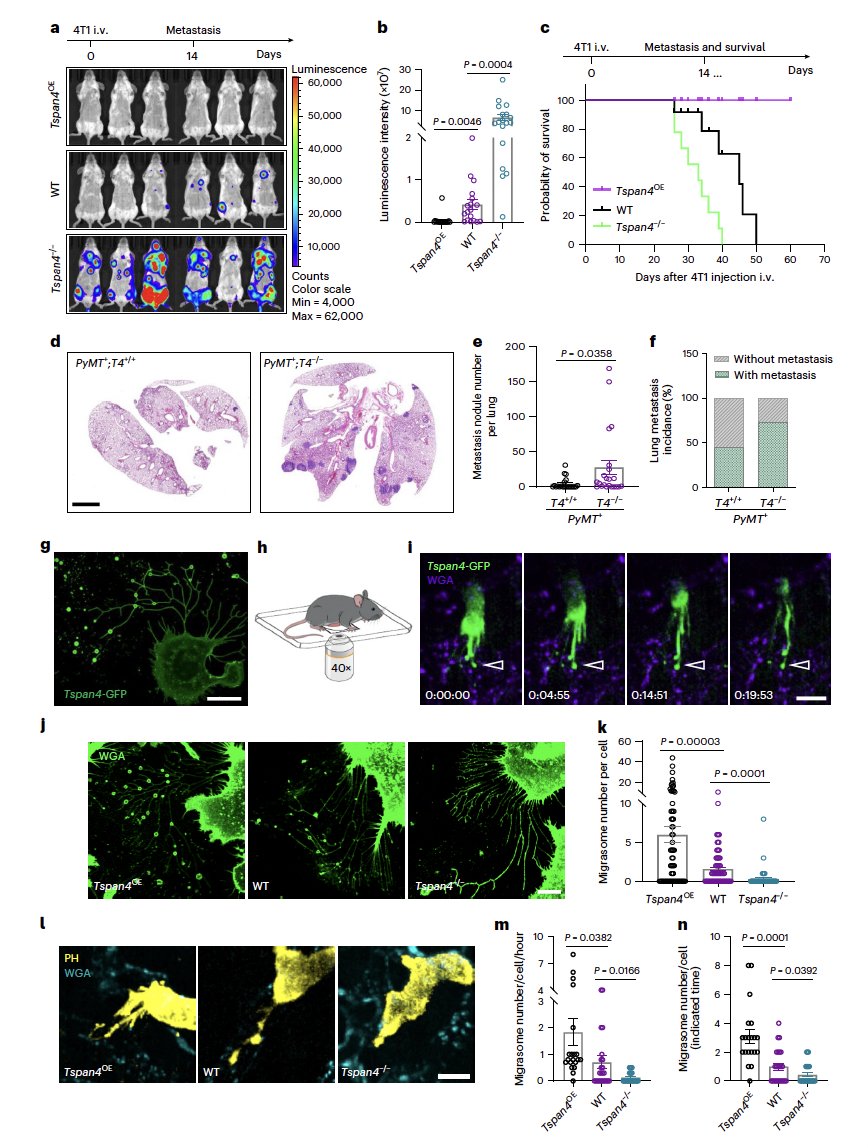
    🧬 #ScienceSaturday Could cancer cells accidentally expose themselves to the immune system while trying to spread? A new study in @NatImmunol reveals a surprising link between metastasis and antitumor immunity. 🔬 Researchers found that as cancer cells move through blood vessels, they can release tiny structures called migrasomes. These #migrasomes carry tumor antigens, essentially pieces of information that can help the #immune system recognize cancer. 🛡️ Antigen-presenting cells can pick up these tumor-derived migrasomes and use them to activate CD8+ T cells, helping generate an immune response against metastatic cancer cells. What makes this especially interesting is the paradox: the process of metastasis itself may create an opportunity for the immune system to detect the cancer. In experimental models, reducing migrasome formation led to more metastasis, while restoring tumor-derived migrasomes helped re-establish immune control. 💡 Why does this matter? #Metastasis is one of the biggest challenges in cancer treatment. Understanding how the immune system recognizes cancer cells as they spread could reveal new ways to strengthen antitumor #immunity, and potentially inspire new therapeutic strategies. It’s another example of how closely #cancer and the immune system are intertwined, even during the very process tumors use to spread. @NatureComms @NatureMedicine @Nature @Tsinghua_Uni @ZJU_China @IHuaXi @SCUCN 📄 Read the study:
    Download
    4431569.8K
  7. Dr. Patrick Hwu✓@PatrickHwuMD
    #ScienceSaturday 🧬Where does the real battle between immune cells and cancer actually happen? ➡️ A new study published in Cell reveals that cancer-fighting immune cells don’t attack tumors evenly. Instead, they gather in specific “hotspots” on the tumor’s surface called CRATERs, short for Cancer Regions of Antigen Presentation and T cell Engagement and Retention. ➡️ These #CRATERs act like immune landing zones. They’re small pockets where tumor cells display more “ID tags” (antigens), making them easier for CD8 T cells, the immune system’s main cancer killers, to recognize and latch onto. Once there, T cells stay longer, interact more closely with cancer cells, and do more damage. ➡️ Using advanced live imaging, spatial mapping, and human tumor samples, researchers found that during immune-stimulating treatments (like immunotherapy), CRATERs grow larger and become the main sites of tumor cell death. ➡️ Even more exciting: in patients with #melanoma, tumors that showed more CRATERs after immunotherapy were much more likely to respond to treatment. Patients whose tumors lacked these immune hotspots were less likely to benefit, even if immune cells were present elsewhere. ✨ Why this matters: This discovery helps explain why immunotherapy works for some patients but not others. CRATERs could become a powerful new way to measure whether immunotherapy is actually working, and may eventually help doctors tailor treatments to improve outcomes. 👏 Congratulations to senior author Leonard I. Zon and the collaborative teams across Harvard, Dana-Farber, Boston Children’s Hospital, the Broad Institute, and other institutions for uncovering a new piece of the tumor–immune system puzzle. @DanaFarber @DanaFarberNews @Harvard @HarvardHealth @BrighamWomens @parkerici @leonard_zon @BostonChildrens @broadinstitute 🔗 Read the full study in Cell:
    Download
    24320219.9K
  8. NWS Miami@NWSMiami
    Upper air launches provide critical data that computer modeling uses to better forecast daily weather, severe storms, & even the future track of tropical systems. Now you can launch one #virtually with us in just two minutes via this first person view! 🎈 #ScienceSaturday @NWS
    Download
    32510943.5K
  9. Dr. Patrick Hwu✓@PatrickHwuMD
    🧬 #ScienceSaturday What if a T cell didn’t have to recognize #cancer to help destroy it? We often think of cancer-fighting T cells as highly specific hunters that recognize a particular target on a cancer cell and attack it. But a new study published in @NatImmunol suggests T cells may have another way to fight tumors. 🔬 Researchers found that activating “bystander” CD8+ T cells inside tumors, including #Tcells originally trained to recognize viruses, not cancer, was enough to trigger tumor destruction in experimental models. Instead of directly recognizing and killing the cancer cells themselves, these activated T cells released powerful immune signals including interferon-gamma and TNF. Those signals recruited and activated other immune cells within the tumor, including myeloid cells, and helped generate nitric oxide and other molecules capable of killing cancer cells. 🛡️ In other words, the T cells acted almost like an alarm system: they activated the surrounding #immune environment and essentially recruited other cells to help do the killing. The researchers showed that this tumor clearance could occur even without conventional tumor-specific T-cell recognition, challenging the idea that an effective T-cell response always requires T cells that directly recognize cancer. 💡 Why does this matter? Many #tumors contain large numbers of “bystander” T cells that recognize viruses or other antigens rather than the tumor itself. If scientists can learn how to safely activate and harness these cells, they could potentially expand the pool of immune cells available to participate in an antitumor response. The researchers also identified gene-expression patterns associated with this response that correlated with survival in patients with #melanoma, although much more work is needed to understand how this approach could translate to patients. It’s another reminder that the immune system may have more than one way to attack cancer, sometimes, T cells may be able to kill by proxy. @Nature @NatureComms @NatureMedicine @Masopust_Vezys @oliviacs_ @UMNMSTP @Noah_V_Gavil @snguyen268 @shaleklab @umnmedschool @CFI_UMN @broadinstitute @ragoninstitute 📄 Read the study:
    Download
    103718817.6K
  10. Dr. Patrick Hwu✓@PatrickHwuMD
    #ScienceSaturday ❓ Why do T cells sometimes fail to fight cancer? ➡️ A new study in Nature shows that when T cells are exposed to cancer or long-term infections, they can enter a state called exhaustion, where they lose their ability to eliminate harmful cells. ➡️ The researchers found that exhausted T cells develop a special type of stress response. Instead of reducing protein production, these cells increase it, leading to protein buildup and overworked “chaperone” proteins. This stress weakens the T cells and helps tumors evade the immune system. ➡️ By blocking certain stress-related proteins, the scientists were able to restore T cell activity and improve the effectiveness of cancer immunotherapy in preclinical models. 🌟 Congratulations to my good friend and senior author Zihai Li of The Ohio State University Comprehensive Cancer Center and collaborators at Johns Hopkins, Emory, Uppsala University and others for advancing this important research. @Zihai @OhioState @HopkinsMedicine @EmoryUniversity 🔗 Read more:
    Download
    1012547129.2K
  11. Dr. Patrick Hwu✓@PatrickHwuMD
    🧬 #ScienceSaturday ❓ What if treating brain cancer means targeting not just the tumor, but the cells helping it hide? ➡️ A new study in @Nature explores a promising CAR T-cell strategy for glioblastoma, one of the most aggressive and difficult-to-treat brain cancers. ➡️ Glioblastoma is especially challenging because it is not made up of identical cancer cells. It is a complex ecosystem, with tumor cells that can vary from one another and immune cells in the surrounding environment that can be “reprogrammed” to support the cancer instead of fighting it. ➡️ Researchers focused on a target called GPNMB, which they found on both glioblastoma tumor cells and tumor-associated macrophages, immune cells that can help create an immunosuppressive environment around the tumor. ➡️ They then engineered #CART cells to recognize GPNMB. In preclinical models, these CAR T cells were able to attack both the cancer cells and the tumor-supporting macrophages. ➡️ This dual approach is important because many CAR T-cell strategies for glioblastoma have struggled when tumors lose the target or use the surrounding immune environment to resist treatment. ➡️ By targeting both the #tumor and part of its protective neighborhood, this strategy may offer a new way to think about treating glioblastoma and other solid tumors with complex, immune-suppressive environments. ➡️ The study is still early and was tested in preclinical models, not patients. But it points to an exciting idea: future therapies may need to treat cancer not just as a mass of tumor cells, but as an ecosystem that must be disrupted from multiple angles. The future of #cancer treatment may depend on understanding not only the cancer itself, but also the cells helping it survive. @sheilasinghlab @McMasterU @McMasteResearch @machealthsci @UCalgaryMed @NorthwesternMed @HamHealthSci @UofT @LurieCancer @Charb_Cancer Read more here:
    Download
    623766.7K
  12. NWS Portland@NWSPortland
    We have been getting LOTS of questions about how the smoke is impacting temps. Learn about how smoke impacts long-wave radiation absorption, reflection & nighttime cooling on #ScienceSaturday. You can get your latest forecast at #ORwx #OregonFires2020
    Download
    6152386
  13. Dr. Patrick Hwu✓@PatrickHwuMD
    #ScienceSaturday ❓ What if we could outsmart cancer that no longer responds to immunotherapy? ➡️ A recent study in @NatureBiotech introduces an innovative way to reawaken the immune system against metastatic melanoma that has become resistant to checkpoint inhibitors. ➡️ Researchers engineered tiny, naturally occurring particles called exosomes to act as immune “decoys.” These exosomes carry two key signals at once: one that removes the brakes cancer puts on T cells, and another that helps immune cells actually enter the tumor. Delivered by inhalation, the therapy homes in on lung metastases while limiting exposure to the rest of the body. ➡️ In multiple mouse models, including humanized models, this approach restored immune cell infiltration, reduced tumor growth, and outperformed standard antibody-based immunotherapy, all with a favorable safety profile. The findings point to a promising new strategy for tackling cancers that have learned how to hide from the immune system. 🌟 Congratulations to the research team for advancing a smarter, more targeted approach to cancer immunotherapy! @ColumbiaMed @Columbia @KeChengLab @Nature 🔗 Read the full study in Nature Biotechnology:
    Download
    321836.9K
  14. Dr. Patrick Hwu✓@PatrickHwuMD
    🧬 #ScienceSaturday ❓ What if we could help T cells not only find solid tumors, but also keep fighting once they get there? ➡️ In a new study published in @Nature, researchers used #CRISPR to search across the genome for genes that may be holding human T cells back inside solid tumors. ➡️ Instead of doing the screen only in a lab dish, the team developed a way to study human T cells inside tumor-bearing mice, where they face many of the same barriers that can weaken T cells in real tumors. ➡️ They identified two important “brakes.” One, called P2RY8, appeared to make it harder for T cells to enter tumors. Another, called GNAS, helped transmit several of the suppressive signals tumors use to shut T cells down. ➡️ When researchers removed GNAS, the engineered T cells were better able to stay active, survive and kill cancer cells despite those suppressive signals. In one melanoma model, all 6 mice treated with GNAS-edited CAR T cells achieved durable tumor clearance. ➡️ The approach also improved tumor control across several other preclinical models, including pancreatic, lung, uterine sarcoma and gastroesophageal cancers, as well as different types of engineered T-cell therapies. ➡️ Even more interesting, removing both P2RY8 and GNAS appeared to tackle two problems at once: helping more T cells get into the tumor and helping them resist being switched off once they were there. 💡 The big idea: instead of engineering #TCells with just one added weapon, we may be able to make them better equipped to overcome the hostile environment of solid tumors. @UCSF @jccarnevale @MarsonLab @j_eyquem @ShifrutLab @UCSFCancer @GladstoneInst @parkerici @StanfordMed @TelAvivUni @igisci @NaturePortfolio Read more:
    Download
    3339910.4K
  15. Dr. Patrick Hwu✓@PatrickHwuMD
    #ScienceSaturday ❓ Why do some cancers resist immunotherapy? ➡️ A recent study in Nature found that certain cancers can “trick” the body’s immune system. They do this by changing how cells in the bone marrow develop. These changes cause more immune cells called macrophages to form — but these macrophages actually block the immune system from attacking the tumor. ➡️ Lung cancers cause this change by stressing cells in a way that activates a protein called NRF2. This reprogramming creates macrophages that protect the tumor instead of fighting it. ➡️ The researchers found that blocking NRF2, through drugs or genetic changes, lowered these protective macrophages, boosted immune cell activity and made immunotherapy work better. This suggests a new way to improve treatments for cancers that usually resist immunotherapy. 🌟 Congratulations to senior author Miriam Merad of the Icahn School of Medicine at Mount Sinai, and collaborators at Institut Gustave Roussy, Harvard Medical School and others for advancing this critical work. @MiriamMerad @SinaiImmunol @IcahnMountSinai
    Download
    77731625.4K
  16. Dr. Patrick Hwu✓@PatrickHwuMD
    🧬 #ScienceSaturday ❓Could what we eat influence how well cancer immunotherapy works? Researchers have long observed an “obesity paradox” in cancer care: although obesity is linked to many health risks, some patients with a higher body mass index appear to respond better to immune checkpoint inhibitors. A new study explored whether body weight itself is responsible, or whether diet and the gut microbiome may offer a better explanation. ➡️ Researchers tested 12 different diets in mouse models treated with anti-PD-1 therapy. They found that treatment response was more closely associated with the animals’ diet and gut bacteria than with body weight, body fat or other measures of metabolic health. ➡️ Some diets created a gut environment that supported a stronger immune response against tumors. These dietary changes altered the types of bacteria living in the gut and the substances, or metabolites, those bacteria produced. ➡️ One bacterium that stood out was Lactobacillus johnsonii. On its own, the bacterium modestly improved the response to immunotherapy. A supportive diet also helped. But when the bacterium and diet were combined, they produced a much stronger response than either did alone. ➡️ The researchers also identified a bacterial metabolite called desaminotyrosine, or DAT, that appeared to help activate tumor-fighting T cells. These immune cells produced stronger signals and became better equipped to attack cancer after anti-PD-1 treatment. ➡️ Interestingly, changing the animals’ diets could reshape the microbiome and influence treatment response within days, before major changes in weight occurred. This suggests the benefit may come from how food affects gut bacteria, rather than from obesity itself. ➡️ The team also transferred gut bacteria from human patients into mice. Even microbiota from a patient who had not responded to immunotherapy could support a better response when paired with a favorable diet, showing how strongly diet may shape the activity of the microbiome. 💡 Why this matters: The study helps connect several areas of cancer research, nutrition, the microbiome, microbial metabolism and immunotherapy. In the future, researchers may be able to develop carefully designed diets, bacterial therapies or microbial metabolites that help prepare the immune system to respond more effectively to treatment. @Nature @NatureMedicine @mcgillu @MIM_immuno @CRCHUM @chumontreal @UMontreal @uMontreal_news @med_umontreal @LysDesharnais @mcgillgci Read more:
    Download
    420888.1K
  17. Dr. Patrick Hwu✓@PatrickHwuMD
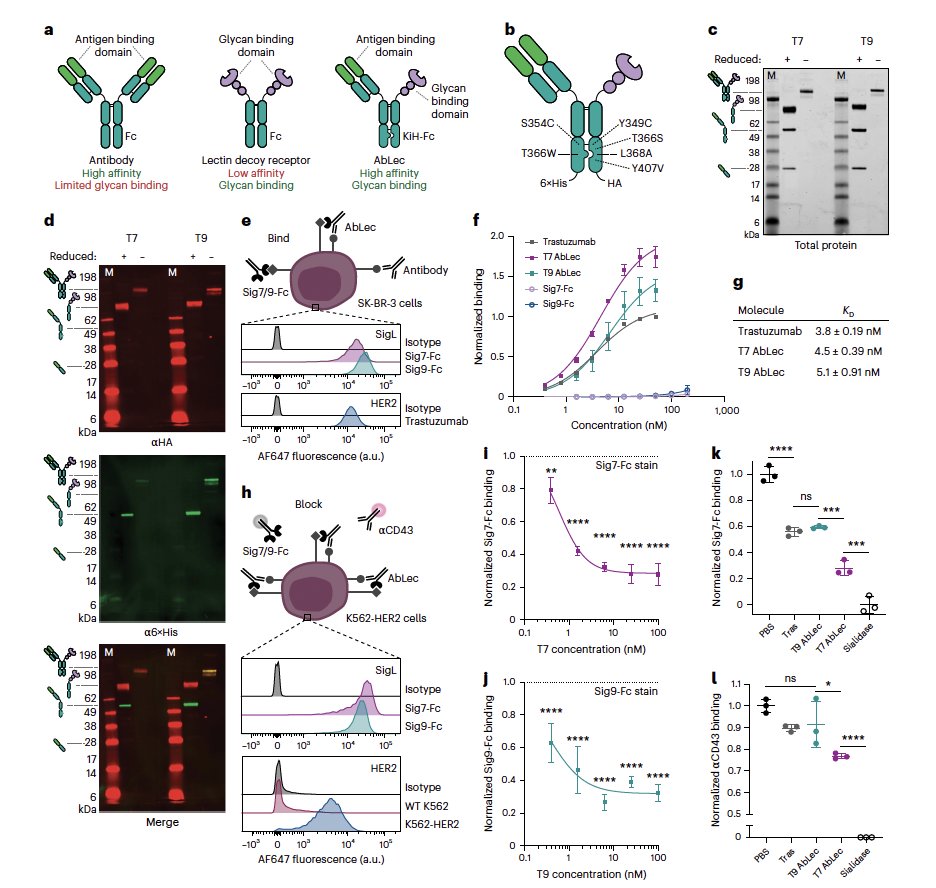
    #ScienceSaturday ❓ Why do some cancers keep dodging our best immune therapies? ➡️ Scientists have discovered a trick tumors use: they decorate their surface with special sugars (called glycans) that act like “invisibility cloaks,” shutting down immune cells through receptors called Siglecs. ➡️A recent study published in @Nature Biotechnology introduces an innovative strategy to counter this effect: antibody–lectin chimeras (AbLecs). These engineered molecules are designed with dual functionality: - One component selectively binds to cancer cells - The other disrupts glycan-mediated inhibitory signaling ➡️As a result, immune cells such as macrophages and natural killer (NK) cells regain and enhance their tumor-killing activity. In preclinical mouse models, AbLecs demonstrated superior tumor reduction compared with standard antibody therapies. ➡️ Bonus: AbLecs can be customized to target different cancers and even combine two immune checkpoints (like PD-1 and Siglec) in one molecule. This could open new doors for patients who don’t respond to current immunotherapies. 🌟 Huge kudos to Jessica Stark, Carolyn Bertozzi, and their teams at MIT, Stanford, Rockefeller University, and collaborators for this breakthrough in cancer immunotherapy! @JessicaCStark @MIT @Stanford @RockefellerUniv @NatureBiotech Read more:
    Download
    03514910.7K
  18. Dr. Patrick Hwu✓@PatrickHwuMD
    🧬 #ScienceSaturday ❓ Why does immunotherapy work so well for some cancers, but often fail in #glioblastoma, one of the most aggressive brain cancers? ➡️ A new study in @NatureCancer suggests the answer may depend less on how many DNA mutations a tumor has, and more on the tumor’s “cell state,” or what the cancer cells are actively doing. ➡️ Researchers studied 181 glioblastoma samples from patients treated with immune checkpoint blockade, a type of immunotherapy designed to help T cells recognize and attack cancer. ➡️ They found that glioblastomas in a mesenchymal, or MES, state were linked to better survival after immunotherapy. These tumors appeared more “immune-visible,” with higher levels of HLA class I, a signal that helps T cells recognize abnormal cells, and more T cell infiltration. ➡️ Surprisingly, #tumor mutational burden, a marker often used to predict immunotherapy response in other cancers, did not predict better outcomes in this glioblastoma group. ➡️ The study also revealed a possible escape route: after #immunotherapy, some tumors shifted away from the MES state toward non-MES states, which may make them less recognizable to the immune system and more resistant to treatment. 🧠 Why this matters: Glioblastoma has been extremely difficult to treat, and checkpoint immunotherapy has mostly been disappointing in this disease. This study suggests that future trials may need to look at a tumor’s RNA “activity pattern,” not just its #DNA mutations, to identify patients who may be more likely to benefit. ✨ Big takeaway: In glioblastoma, the tumor’s current “state of mind” may help predict whether immunotherapy can see it, attack it, and make a difference. Read more here: @Nature @DanaFarber @Harvard @harvardmed @MassGenBrigham @broadinstitute @IBMResearch @DanaFarberNews @EAChiocca @JackYGhannam
    Download
    43110112K
  19. Dr. Patrick Hwu✓@PatrickHwuMD
    #ScienceSaturday Natural Killer (NK) cells can enhance the antitumor effects of antibody therapies such as trastuzumab, which binds to HER2 on #breastcancer cells. However, tumor cells can escape the effects of NK cells by downregulating an adhesion molecule called ICAM-1. In this study, investigators demonstrate that NK cells expressing chimeric antigen receptors (CARs) could kill #cancer cells even after they downregulate ICAM-1. This data supports a potential role of CAR-NK against cancer. @JiriEitler Here’s a link to the full study-
    Download
    4156411K
  20. Show more posts